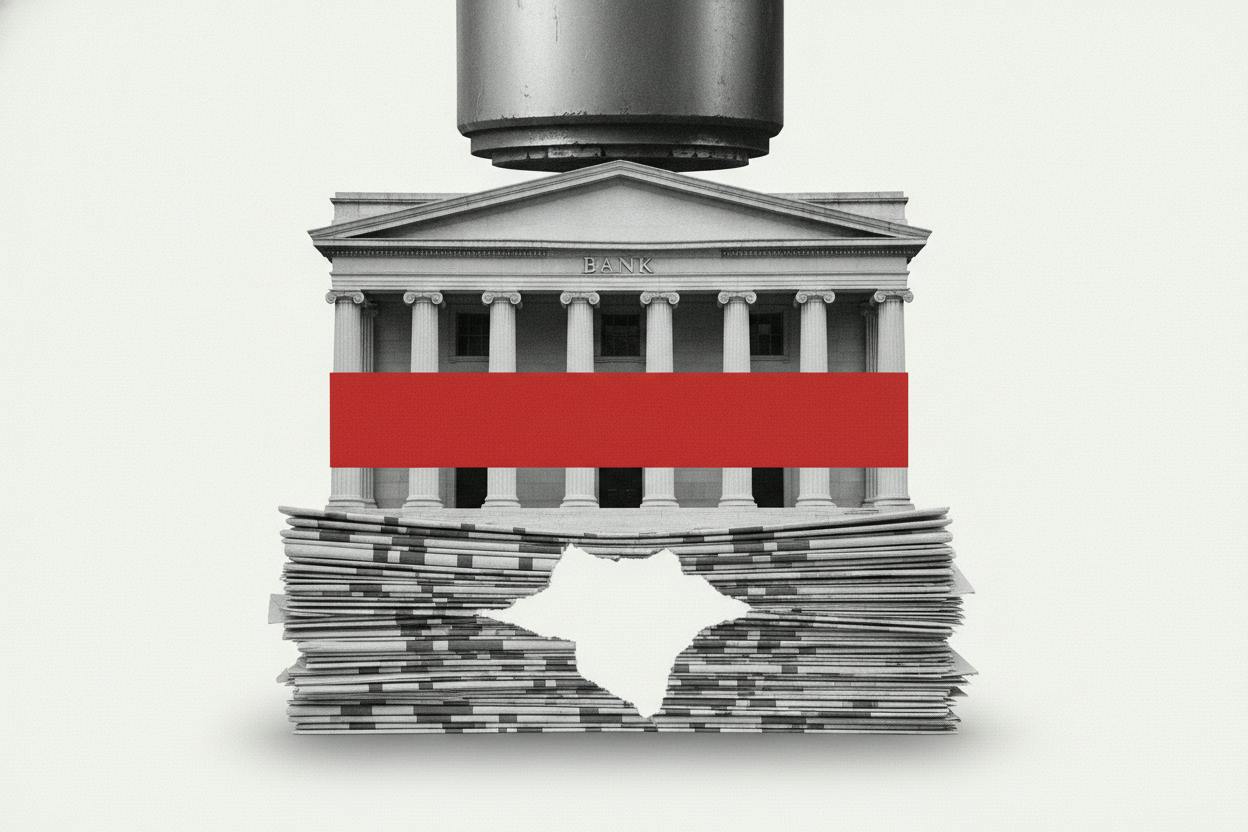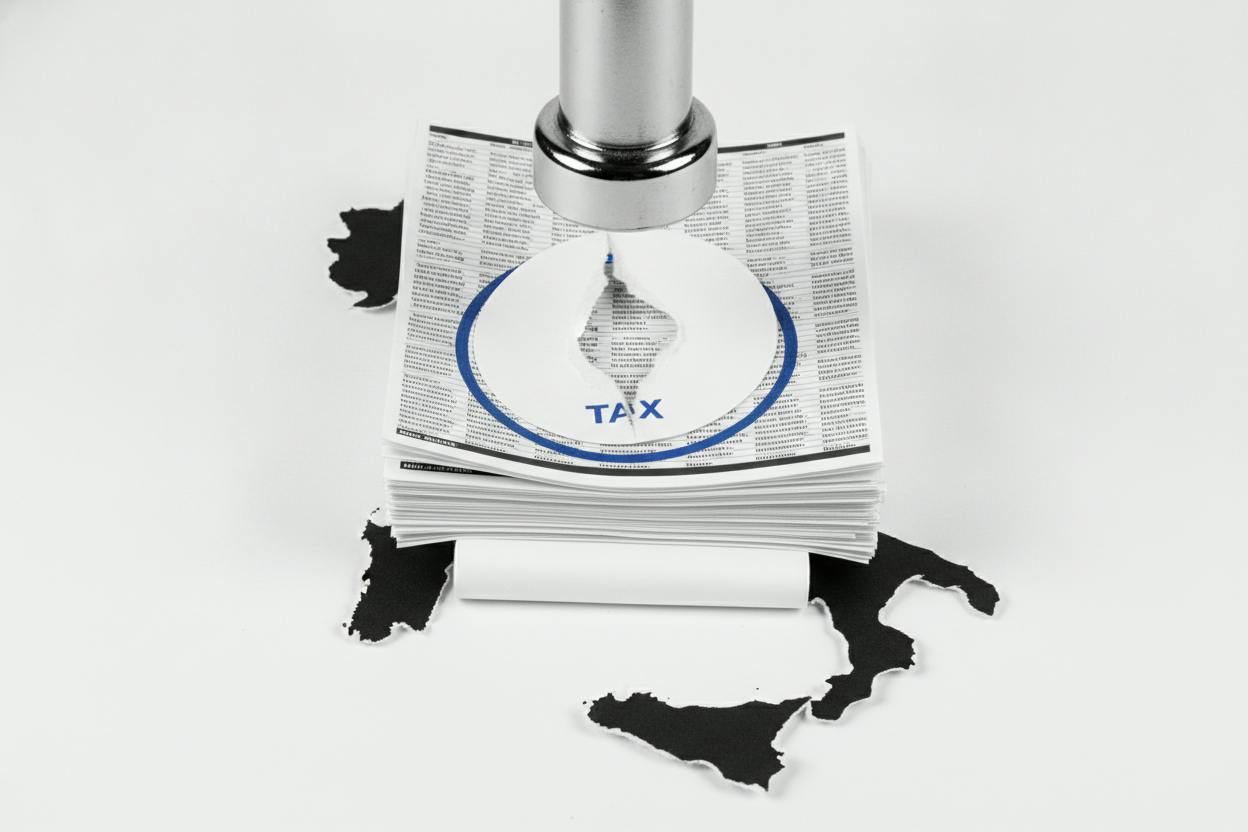
Italy's government has announced plans to impose higher, one-off taxes on banks, insurers, energy companies, and gaming firms as part of its 2027 budget. The move, confirmed by ministers, comes as Prime Minister Giorgia Meloni's cabinet signs off on what is expected to be its last full financial bill before a general election due next year.
What's in the plan?
The one-off levy is designed to raise additional revenue for the state without committing to permanent tax increases. While the government has not disclosed specific rates or the total amount it expects to collect, the sectors targeted are among Italy's most profitable and are often seen as having capacity to absorb extra charges.
Banks and insurers have been frequent targets of such "solidarity" taxes in Italy and elsewhere in Europe, particularly after periods of high profits. Energy firms have also faced windfall taxes in recent years, especially when oil and gas prices spiked. Gaming companies, which operate under state licenses, are another recurring source of fiscal attention.
The 2027 budget is politically significant because it will be the last one passed before Italians head to the polls. Meloni's government is keen to show fiscal discipline while also funding spending priorities, and a one-off tax on specific sectors allows it to do both without raising taxes on the broader population.
Why target these industries?
Banks, insurers, energy producers, and gaming operators are generally seen as sectors with "excess profits" during certain economic conditions. Banks, for instance, have benefited from higher interest rates, which widen the gap between what they pay on deposits and what they earn on loans. Energy companies have seen margins swell when commodity prices rise. Gaming firms, meanwhile, operate in a highly regulated but lucrative market.
Governments often turn to such levies when they need to close budget gaps quickly. The one-off nature is meant to signal that these are exceptional measures, not permanent changes to the tax code. However, investors are often wary because such taxes can be repeated or extended, as has happened in other countries.
Italy's public debt is among the highest in the eurozone, so the government faces constant pressure to manage its finances carefully. The European Union's fiscal rules, which were reformed recently, require member states to gradually reduce debt and deficit levels. A one-off tax helps Italy meet those targets without deep spending cuts that could be unpopular with voters.
What it means for investors
For everyday investors, the immediate effect is likely to be on the share prices of Italian banks, insurers, energy firms, and gaming companies. When a government announces a new tax on a sector, investors often sell those stocks because the tax reduces future profits. The size of the impact will depend on the details of the levy, which have not yet been fully disclosed.
Investors holding diversified funds or ETFs that include Italian financial or energy stocks may see some short-term volatility. However, one-off taxes are often priced in quickly, and the long-term effect depends on whether the government makes them permanent or expands them.
It's also worth noting that similar measures have been tried elsewhere. For example, the UK recently doubled its bank surcharge to 6% as part of its budget, though UK banks rallied when the hike proved smaller than feared. That shows how market reactions can hinge on the details and the perceived durability of the tax.
In Italy, the one-off nature of the levy could limit the damage, but investors will be watching to see whether the government hints at further measures. The political calendar adds uncertainty: with an election due next year, the current government may be tempted to use the tax to fund pre-election spending, which could worry bond markets if it leads to higher deficits.
Broader context
Italy's economy has been growing slowly, and the country faces structural challenges including low productivity and an aging population. The government's fiscal choices are closely watched by the European Commission and by investors in Italian government bonds. A one-off tax on profitable sectors is a way to raise revenue without hitting consumers or cutting public services, but it can also be seen as a deterrent to investment in those industries.
For banks, higher taxes could reduce their ability to pay dividends or buy back shares, which are important for shareholders. Insurers might pass on costs to policyholders, and energy firms could scale back investment in new projects. Gaming companies, which are often highly profitable, might see their margins shrink.
Investors should also consider that the tax is part of a broader budget package, which may include other measures affecting the economy. The full details of the 2027 budget have not been released, so there is still uncertainty about the final shape of the levy.
What to watch next
The key dates to watch are the formal approval of the budget and any subsequent amendments. Investors will also listen for comments from Meloni and her finance minister about whether the tax is truly one-off or could be repeated. The reaction of Italian bond yields will be an indicator of how international investors view the fiscal plan.
For those with exposure to Italian stocks, the coming weeks could bring volatility. But as seen in other countries, markets often recover once the details are known and the tax is absorbed into earnings forecasts. The long-term health of Italy's public finances will depend on more than a one-off levy; it will require sustained growth and structural reforms.
In the meantime, everyday investors should keep an eye on their portfolios and consider whether they have too much concentration in the affected sectors. Diversification remains a key tool for managing such political and fiscal risks.