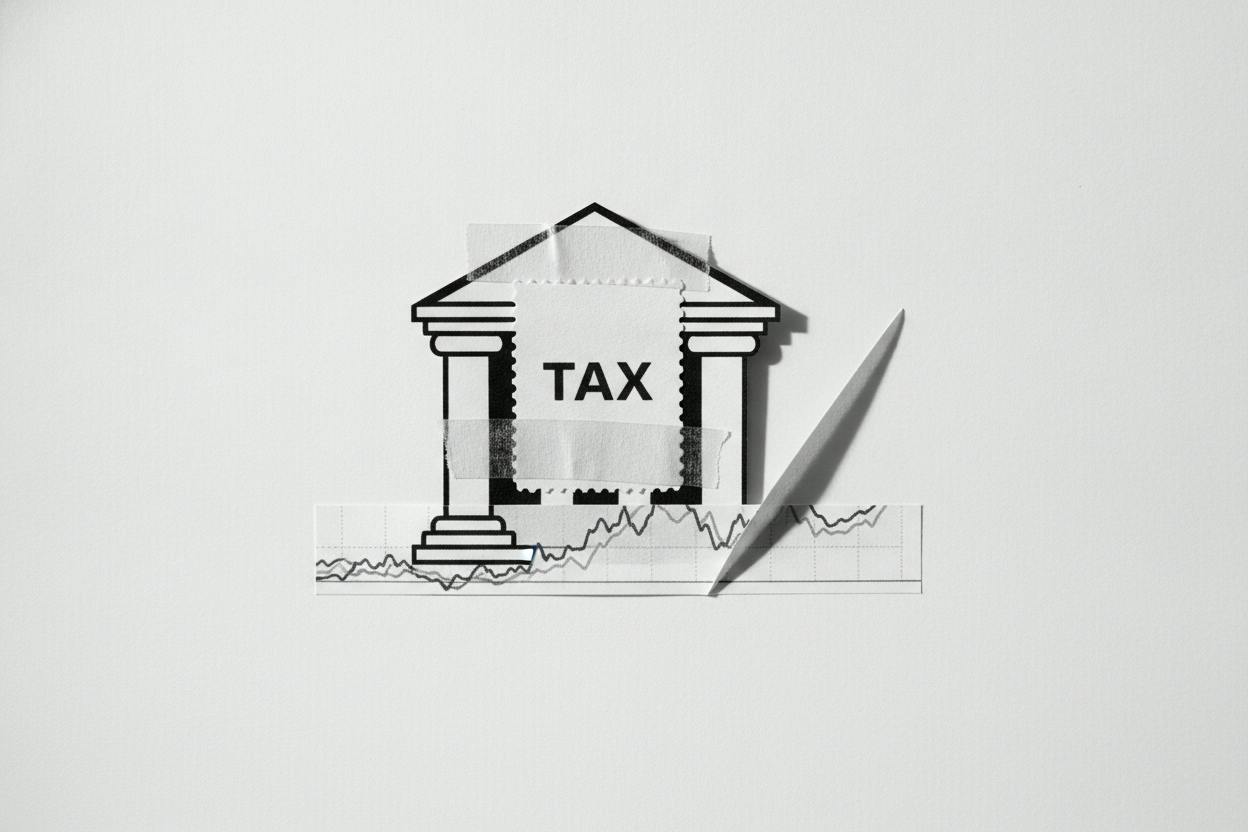
UK bank shares rallied on Wednesday after Chancellor John Healey's first budget delivered a smaller-than-feared tax increase on the sector. The chancellor raised the bank profit surcharge to 6% from 3%, but only for 15 months, a move that investors had not fully priced in.
The reaction was swift: Lloyds, NatWest, and Barclays all climbed between 2.2% and 3.7%, helping nudge the FTSE 100 up 0.2% on the day. The gains reflect relief that the tax hike is temporary rather than a permanent drag on profitability.
Why the time limit matters
For bank investors, the headline tax rate is only part of the story. What matters more is how long the higher levy dents after-tax profits, and therefore the cash banks can return to shareholders through dividends and buybacks, or keep to meet regulatory capital requirements.
A permanent increase from 3% to 6% would have been a structural hit, reducing the long-term earnings power of UK banks. But a 15-month window changes the calculus: the impact is now a temporary headwind, one that banks can absorb without altering their medium-term capital plans or dividend policies.
This is why the share price reaction was so positive. Markets tend to look through short-term noise and focus on the durability of earnings. With a fixed end date, analysts can model the impact with more certainty, and the fear of a prolonged squeeze on profitability has been lifted.
What the surcharge is
The bank profit surcharge is an additional tax levied on the profits of UK banks, on top of the main corporation tax rate. It was introduced in 2015 to ensure banks contributed fairly to the public finances after the financial crisis. The rate was cut from 8% to 3% in 2023, but the new budget reverses part of that cut, at least temporarily.
For the largest UK banks, the surcharge applies to profits above a certain threshold, so the effective tax rate on their UK earnings will rise to around 31% during the 15-month period, up from 28%.
Investors had been bracing for a harsher outcome. In the run-up to the budget, there were fears that the chancellor might raise the surcharge permanently, or even introduce a windfall tax on bank profits. The 15-month limit was seen as a compromise, and the market responded accordingly.
What it means for investors
For everyday investors, the key takeaway is that UK bank stocks are now less risky than they appeared before the budget. The temporary nature of the tax hike means that the sector's earnings outlook is more stable, which supports share prices and dividend expectations.
However, it's worth noting that the surcharge is just one factor affecting bank profitability. Interest rates, loan demand, and the health of the broader economy all play a role. Banks have benefited from higher interest rates in recent years, which boost the income they earn on loans, but that tailwind may fade as central banks begin to cut rates.
Investors should also keep an eye on how banks respond to the temporary tax increase. Some may choose to absorb the cost, while others might adjust pricing or cost-cutting measures. The 15-month window gives them time to plan, which is another reason the market took the news well.
Broader market context
The FTSE 100's modest gain on the day was largely driven by the bank rally, but other sectors were mixed. The budget also included measures on housing, energy, and public spending, which had varying effects on different industries.
For context, other markets have seen similar dynamics recently. For example, Gulf stocks diverged after a reported strike on a Saudi refinery lifted oil prices, showing how geopolitical events can move sector indices. Closer to home, United Spirits saw profits slip due to tax and policy changes in India, a reminder that tax policy is a global theme for investors.
For UK bank shareholders, the immediate relief is clear, but the longer-term picture will depend on how the economy evolves and whether the government revisits the surcharge after the 15-month period ends. For now, the market has chosen to focus on the positive: a tax hit that is smaller and shorter than feared.