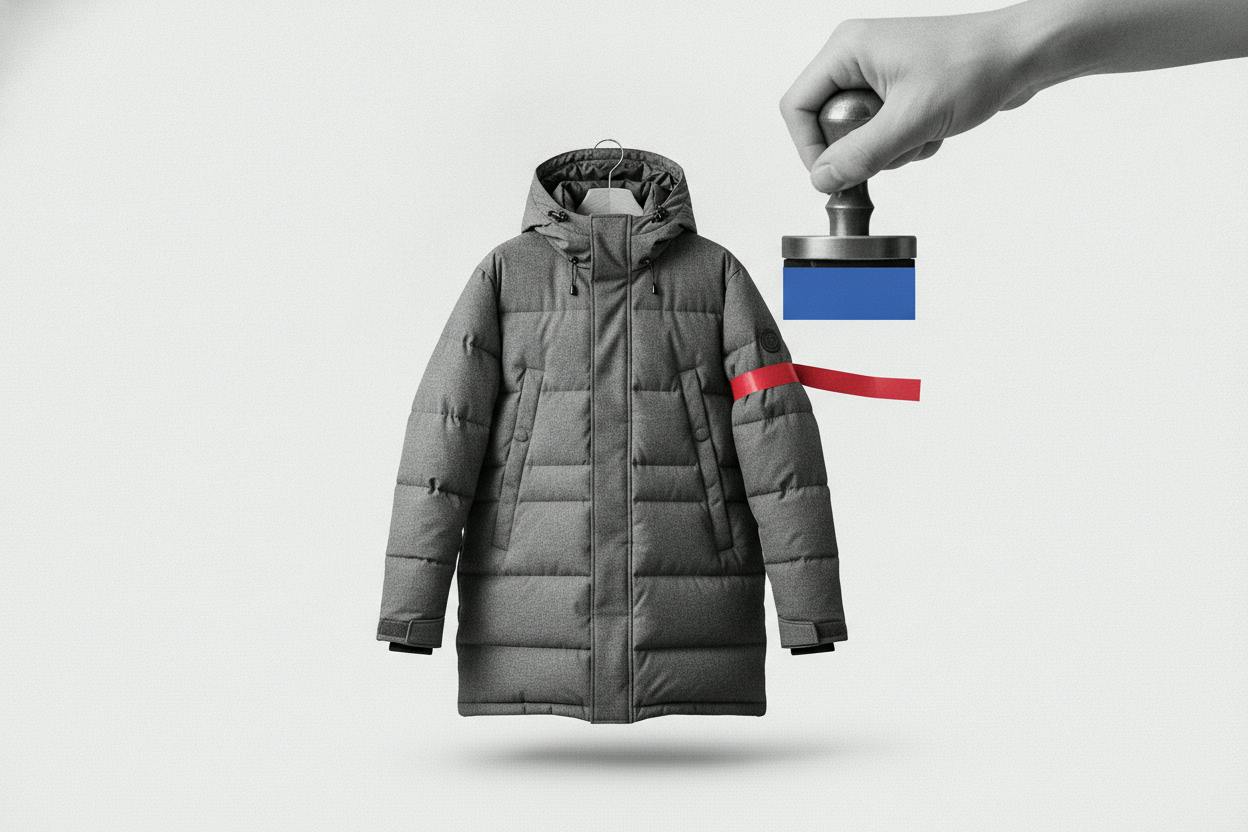
Canada Goose Holdings is set to report its fiscal second-quarter results soon, but UBS analysts are telling investors not to expect a major catalyst. In a note released this week, the bank said it expects the luxury outerwear maker to deliver results that are roughly in line with consensus, yet it cut its price target on the stock to $9 from a previous level. The revision reflects growing concerns about the impact of tariffs and weakening demand in China on the company's longer-term outlook.
Why UBS thinks Q2 won't move the needle
UBS, a global investment bank, argues that market expectations for Canada Goose already account for a tougher luxury environment and the possibility that a 50% tariff on Canadian apparel could squeeze future profits. As a result, a "normal" quarter—one that meets, rather than beats, forecasts—is unlikely to change many investors' minds about the stock.
The bank also notes that Canada Goose's revenue is heavily weighted toward the second half of the fiscal year, with roughly 75% of sales typically landing in the winter months. That makes the second quarter, which covers the transitional period into colder weather, less decisive than it might appear. Full-year guidance, UBS believes, is likely to hold, even if the quarterly numbers don't provide much excitement.
Mixed demand signals support that cautious stance. The bank's checks point to uneven consumer appetite, particularly in key markets like China, where luxury spending has cooled. That softness, combined with the threat of tariffs on Canadian goods entering the U.S., has led UBS to trim its forecasts for fiscal years 2027 through 2029.
Tariffs and China: the twin pressures
The tariff issue is a familiar one for Canadian exporters. A 50% tariff on Canadian apparel—if implemented—would significantly raise the cost of Canada Goose's parkas and jackets in the U.S., its largest market. That could force the company to either absorb the cost, squeezing margins, or pass it on to consumers, potentially dampening demand. UBS's revised target reflects the possibility that these tariffs become a lasting drag on profitability.
Meanwhile, China has been a growth engine for luxury brands for years, but recent data suggests that engine is sputtering. Economic uncertainty and shifting consumer sentiment have led to softer spending on high-end goods. For Canada Goose, which has expanded aggressively in the region, that slowdown is a direct headwind.
These pressures are not unique to Canada Goose. Other companies in the luxury and consumer discretionary space have flagged similar challenges. For instance, BofA recently trimmed its target on Sherwin-Williams citing margin pressures, and Morgan Stanley cut its Enphase target on weak U.S. demand. The pattern underscores a broader theme: companies facing both cost inflation and softening consumer appetite are seeing analysts temper their expectations.
What it means for investors
For everyday investors, the key takeaway is that UBS's move is a caution flag, not a red alert. The bank still sees value in the stock at current levels, but it's signaling that the path to higher earnings is getting steeper. A price target cut of this nature often reflects a reassessment of long-term growth prospects rather than an imminent crisis.
It's also worth remembering that price targets are just one analyst's opinion. They are based on a set of assumptions about future revenue, margins, and market conditions—all of which can change. Investors should weigh this against their own research and risk tolerance.
Canada Goose's reliance on the second half of the year means the upcoming holiday season will be critical. If winter weather cooperates and consumer spending holds up, the company could still meet its full-year targets. But if tariffs bite or China continues to soften, the pressure on FY27-FY29 forecasts could intensify.
For now, UBS's stance is that the second-quarter report is unlikely to be a game-changer. The stock may trade on the news, but the bigger story is the structural challenges ahead. As always, it's wise to keep an eye on the broader economic backdrop—including central bank policy moves—which can influence consumer spending and currency dynamics.
In the end, this is a story about expectations. UBS is essentially saying: don't expect a surprise, and don't expect a quick fix. The company's fate will be decided by how it navigates tariffs, China, and the all-important winter selling season.