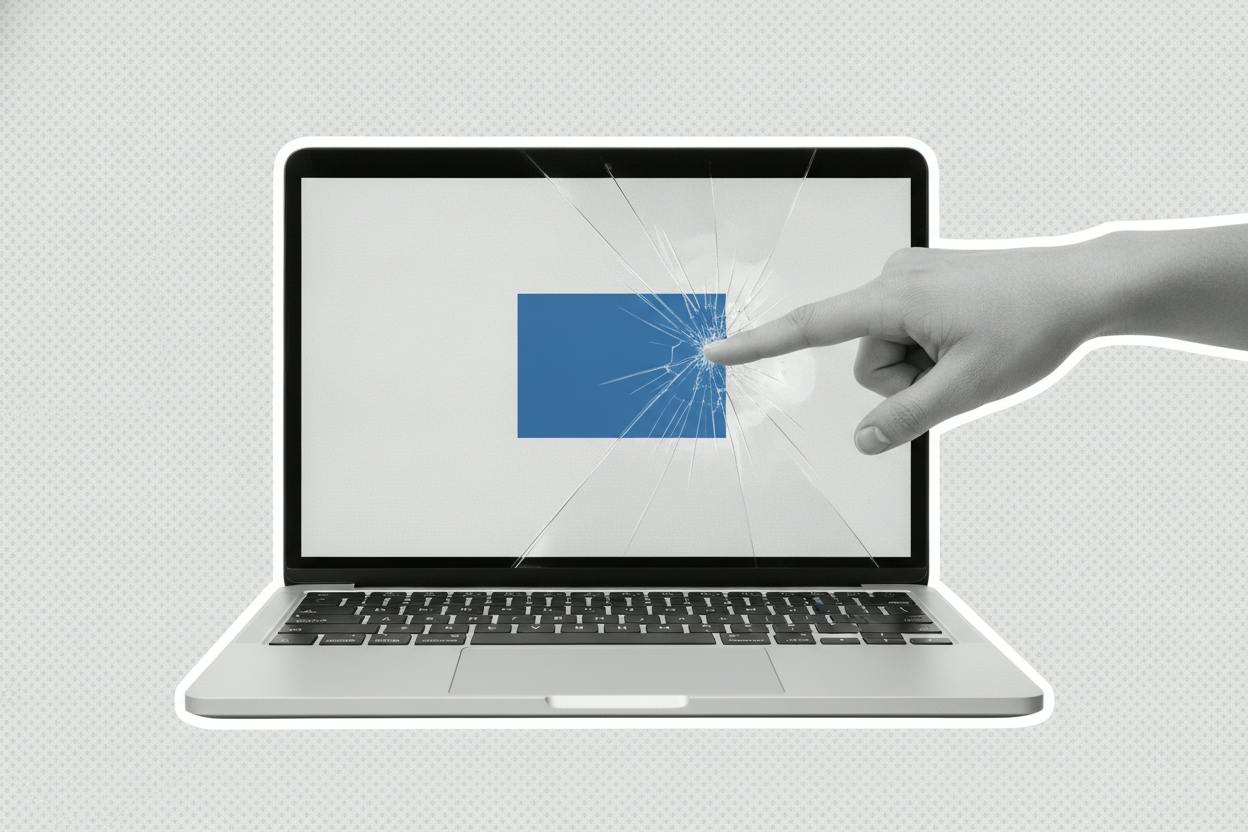
Apple is finally putting touchscreens on MacBooks. At an event in Los Angeles, CEO John Ternus unveiled a new MacBook Pro that adds a touchscreen and an OLED display, with the first units shipping on November 6. It's a notable reversal for a company that spent more than a decade arguing that touch didn't belong on a laptop.
The new MacBook Pro starts at $2,899 for a 14-inch model with an M5 Pro chip and goes up to $4,799 for a 16-inch version with an M5 Max chip. Pre-orders are already open. Apple is positioning touch as a premium step-up rather than a standard feature, and the price tags reflect that.
Why the change now?
Apple has long resisted putting touchscreens on its Macs, even as touch became common on Windows laptops. The company's argument was that a keyboard and trackpad are better for how people actually work, and that reaching up to tap a screen is awkward and tiring. That stance held for over a decade, but the new MacBook Pro marks a clear shift.
The move also comes as Apple looks to extend a recent pickup in Mac demand. Reuters noted that Apple is trying to attract businesses and power users who are buying newer machines to run AI features directly on the device, rather than relying on cloud-based services. On-device AI is a growing focus for the company, and a new, more capable Mac is a way to get those tools into more hands.
Apple's broader push into AI-powered devices has been a theme across its product lineup. The company has been putting its M6 chip and on-device AI at the center of its latest Macs, and this touchscreen model fits into that strategy.
What it means for investors
For Apple's Mac business, the key question isn't just how many laptops it sells this holiday season, but what buyers choose. By making touchscreen and OLED part of higher-priced configurations, Apple is leaning on "mix" — shifting more customers toward pricier models — to lift the average selling price.
That can help Mac revenue and gross profit hold up even if overall unit shipments don't jump. The trade-off is that results become more sensitive to how many shoppers accept the $2,899-and-up price points, especially around the November 6th launch window.
Apple has used this strategy before. The company often introduces premium features at the top of its lineup, then gradually brings them to lower-priced models over time. If the touchscreen MacBook Pro sells well, it could signal that customers are willing to pay more for the latest hardware. If it doesn't, Apple may have to adjust pricing or features in future versions.
The launch also comes at a time when Apple is facing regulatory and competitive pressures. For instance, South Korea recently fined Google and Apple over app store payment rules, and the UK is pushing Apple to open up its iPhone tap-to-pay system. These are separate issues, but they add to the broader scrutiny on Apple's business practices.
What to watch next
Investors will be watching early sales data and reviews to see if the touchscreen MacBook Pro resonates with buyers. The November 6 shipping date puts the launch squarely in the holiday shopping season, which is a critical period for Apple's Mac revenue.
Another factor to watch is how the new MacBook Pro fits into Apple's overall product cycle. The company has been dealing with mixed iPhone demand, with a surge in China masking weakness in the US and Japan. A strong Mac launch could help offset some of that softness.
For everyday investors, the takeaway is that Apple is betting on premium pricing to drive growth, rather than just selling more units. That can be a good sign for margins, but it also means the company's results are more tied to how many people are willing to pay top dollar for the latest features.
As always, this is not a recommendation to buy or sell Apple stock. But understanding the strategy behind the new MacBook Pro can help you make sense of Apple's earnings reports and why the company is making the choices it is.