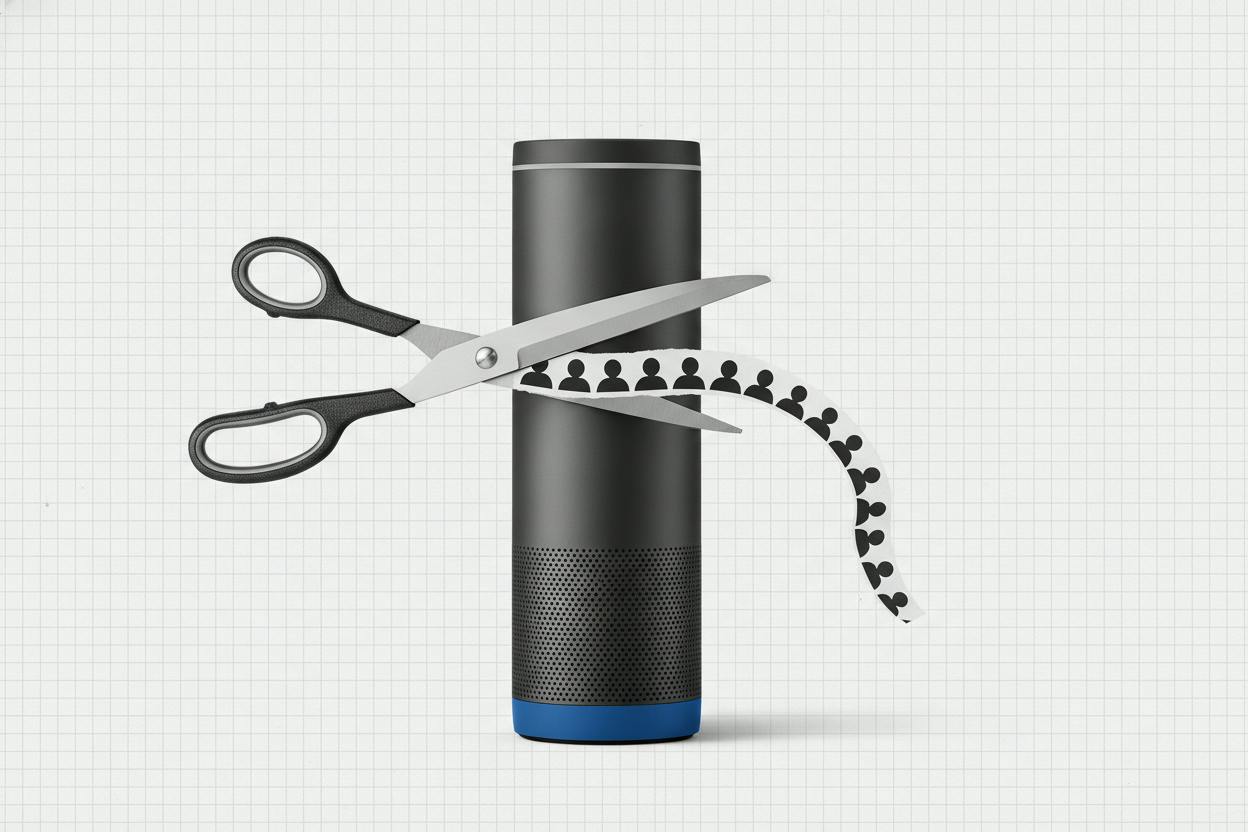
Amazon has trimmed roughly 250 roles in its devices and services group, a move that comes just weeks after the company unveiled a wave of new Kindle e-readers and Alexa-enabled hardware. The cuts, reported by Reuters, are part of an effort to better align teams with Amazon's product roadmap, according to the company.
The devices and services division is the unit behind Amazon's hardware ambitions, including Echo speakers, Fire tablets, and the Alexa voice assistant. While the division has helped Amazon establish a foothold in consumers' homes, it has also been a source of heavy spending, and the company has periodically reorganized it to focus on what it sees as its most promising bets.
What's behind the cuts?
Amazon's statement frames the layoffs as a routine realignment rather than a major strategic shift. The company said the changes will help teams work more efficiently and stay focused on the products that matter most to customers.
The timing is notable: Amazon recently rolled out new Kindle models and refreshed its Echo lineup, which leans heavily on Alexa as a smart home hub. Those launches suggest the company is still investing in its hardware ecosystem, even as it trims around the edges.
This is not the first time Amazon has pared back its devices division. In prior years, the company has cut jobs in areas like its Alexa voice assistant and other experimental hardware projects when they failed to gain traction or when priorities shifted. For a company of Amazon's size, a reduction of about 250 roles is relatively small, but it still signals where leadership sees the most and least potential.
What it means for investors
For everyday investors, the key takeaway is that Amazon is being disciplined about where it spends money. The devices business has never been a major profit driver for the company; its core retail and cloud computing operations generate the bulk of revenue and earnings. Hardware like Echo speakers and Kindles often serve a broader purpose, such as driving engagement with Amazon's services or locking customers into its ecosystem.
By trimming roles in a division that is not central to profitability, Amazon is signaling that it wants to keep costs in check while continuing to invest in areas with higher returns, such as its Alexa-powered smart home strategy. That focus on efficiency is something investors have been watching closely, especially as the company faces slower growth in some parts of its business and increased competition from rivals like Walmart, which has been expanding its own membership and delivery offerings.
Amazon's broader financial picture remains strong. The company is a dominant player in e-commerce and cloud computing, and its advertising business continues to grow. The devices division, while high-profile, is a relatively small piece of the overall operation. So while job cuts can be unsettling for employees, they are unlikely to move the needle much for Amazon's stock in the long run.
What investors should watch next
Looking ahead, investors will be paying attention to how Amazon's hardware strategy evolves. The recent product launches suggest the company is not abandoning devices, but it may be narrowing its focus to fewer, more impactful products. The question is whether those products can drive meaningful engagement and sales, or whether they will remain a cost center.
Amazon is also set to report earnings soon, and the devices division's performance—or lack thereof—could come up in discussions with analysts. In the meantime, the company's broader moves, such as its recent FCC approval for a satellite deal, show that Amazon is still willing to make big bets on new technologies.
For investors, the takeaway is simple: Amazon is a massive, diversified company, and a 250-person reduction in one division is a minor adjustment. The real story is that Amazon is being more careful about where it invests, which is generally a positive sign for profitability. As always, it's worth keeping an eye on the company's earnings calls and product announcements to see how these priorities play out.