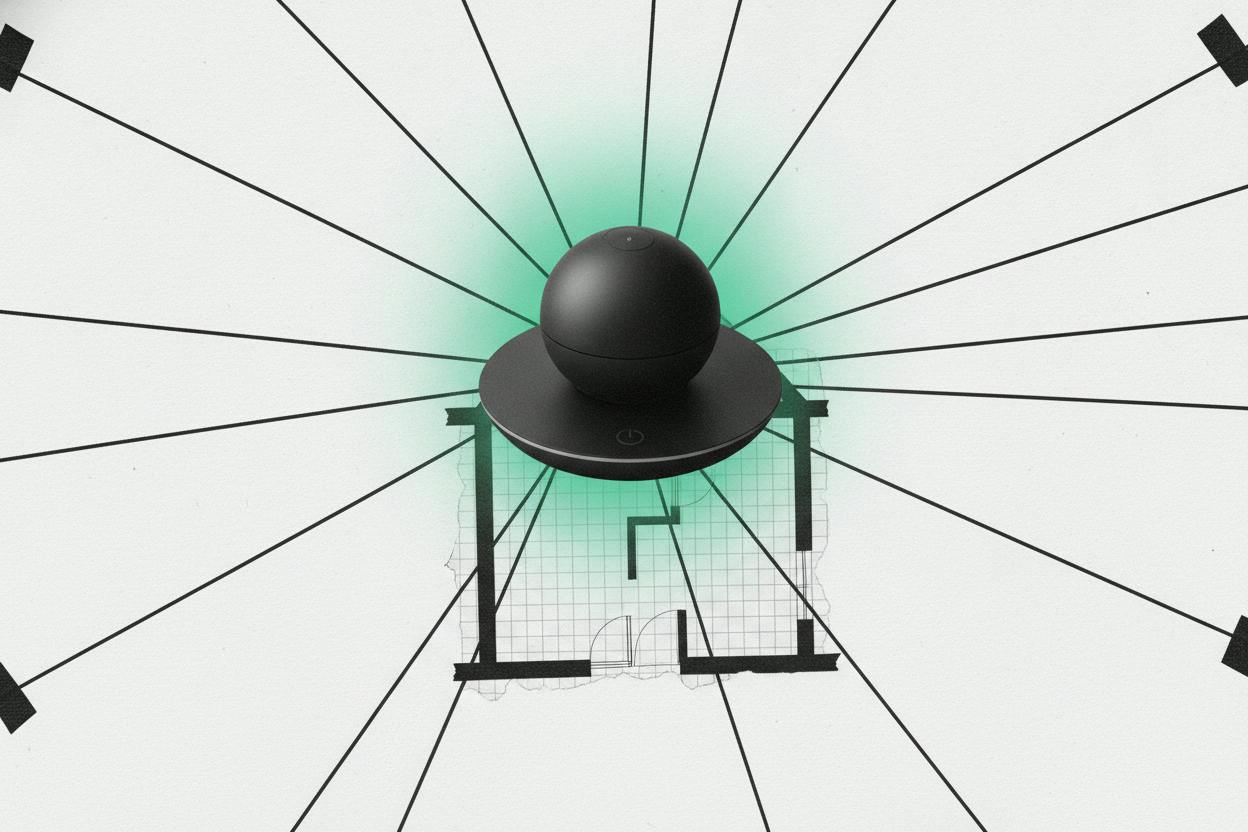
Amazon on October 28 rolled out five refreshed Echo devices, headlined by a redesigned Echo Show 16 and a new Echo Dot that packs a smart home hub. The update is less about better speakers and more about keeping Alexa at the center of the connected home as competition from Apple and other AI players heats up.
What's new in the lineup
The flagship product is the $499.99 Echo Show 16, which sports a 16-inch display and built-in Fire TV, turning the device into a home entertainment and control center. For those who want a more premium audio experience, the $249.99 Echo Studio now includes a camera that lets Alexa identify objects you hold up and allows you to check in on a room remotely.
But the strategic move sits lower down the price ladder. The $99.99 Echo Dot now comes with a built-in smart home hub, making it an affordable entry point for controlling lights, locks, and other connected gadgets. This is a deliberate play to make Alexa the default interface for the smart home, even for budget-conscious shoppers.
Why Amazon is pushing Alexa harder
Amazon's Echo devices have long been the best-selling smart speakers, but the company faces mounting pressure. Apple has been integrating Siri more deeply into its ecosystem, and the rise of generative AI has opened a new front in the assistant wars. Amazon has responded by upgrading Alexa with more conversational and proactive capabilities, and these new devices are designed to showcase that.
The smart home is a lucrative market, and whoever controls the "control layer"—the app or voice assistant that ties everything together—stands to benefit from recurring usage and data. Amazon's strategy is to make Alexa so embedded in daily routines that switching to a rival assistant feels like a hassle.
This isn't just about selling hardware. Amazon's broader business model relies on Alexa to drive shopping, media consumption, and subscriptions. A more capable Alexa could also open new revenue streams, such as premium AI features or integrations with third-party services.
What it means for investors
For investors, this product refresh is a signal that Amazon is doubling down on its consumer hardware and AI strategy. The company is willing to invest in devices that may have thin margins if they strengthen the ecosystem and keep users locked into Amazon's services.
However, the smart speaker market is mature, and growth has slowed. Amazon's challenge is to convince existing Echo owners to upgrade and to win over new customers who might be tempted by cheaper alternatives or by Apple's ecosystem lock-in. The new Echo Dot's smart home hub could be a key differentiator, as it lowers the barrier to building a connected home.
Investors should also watch how Amazon's AI investments pay off. The company has been integrating AI across its businesses, from its satellite internet project to its cloud computing arm. A smarter Alexa could boost engagement and potentially lead to new paid features, but it's still early days.
Amazon's move also comes as Apple pushes on-device AI in its latest products, and as AI companies like Anthropic attract investor attention. The race to own the AI assistant is intensifying, and Amazon is making clear it intends to stay in the fight.
For everyday investors, the key takeaway is that Amazon is betting on the smart home as a gateway to deeper customer relationships. Whether that bet pays off will depend on how well Alexa can compete with rivals and whether consumers embrace the new devices. As always, it's wise to consider how this fits into Amazon's overall business rather than viewing it as a standalone product launch.