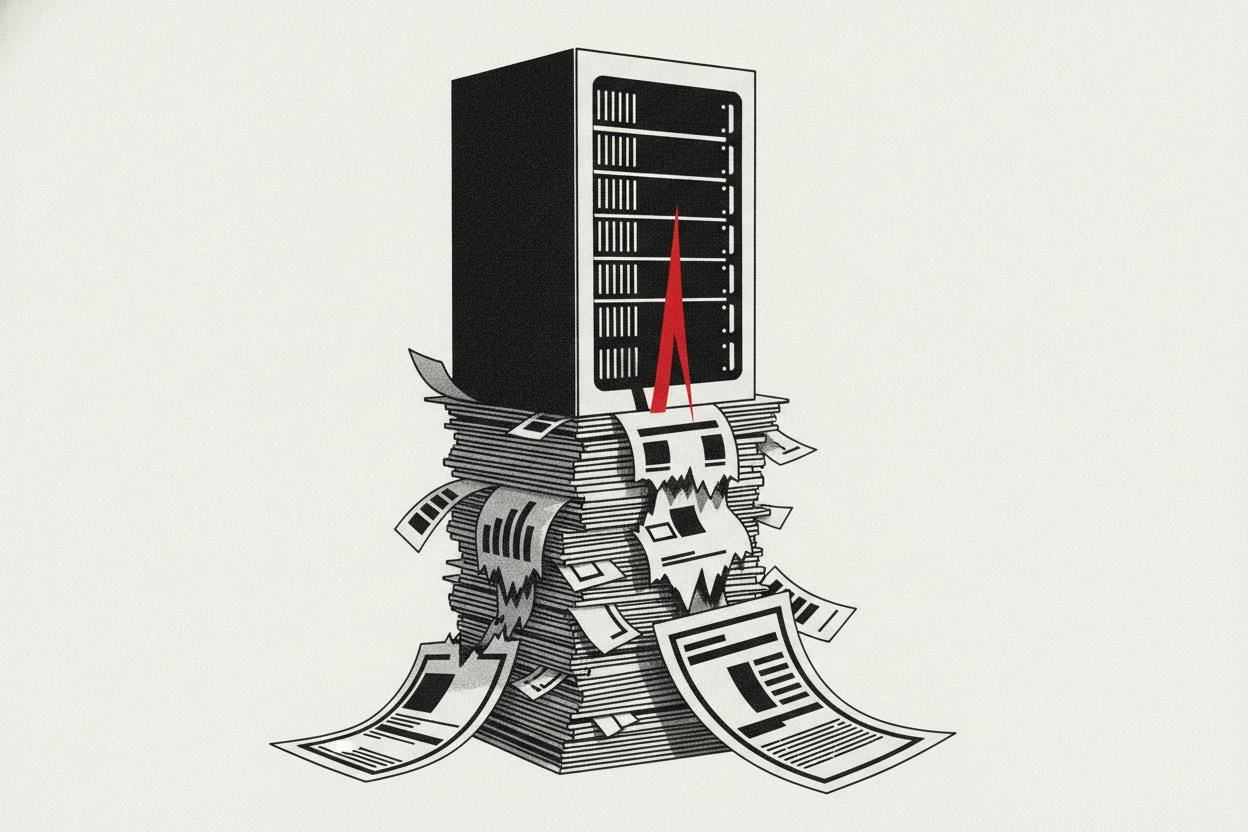
The artificial intelligence boom is entering a new, more demanding phase. Anthropic, one of the most prominent AI startups, has filed paperwork for an initial public offering (IPO), and Meta is reportedly exploring an equity raise that could rank among the largest in corporate history. Together, the two moves are forcing Wall Street to confront a question it has largely avoided during the AI rally: who actually pays for all of this?
For years, investors have poured money into AI with enthusiasm, betting that the technology will transform industries and generate enormous returns. But the costs of building and running AI systems—data centers, chips, energy, and talent—are staggering. As losses and debt accumulate across the sector, the mood is shifting from unchecked optimism to a more cautious assessment of the economics.
Anthropic's IPO: a test of AI valuations
Anthropic, the company behind the Claude chatbot, has been one of the most closely watched names in AI. Its IPO filing is a milestone, but it also exposes the tension between explosive growth and massive spending. The company has been spending heavily on infrastructure, including a reported $800 billion AI infrastructure bet that underscores the scale of the investment required to compete at the frontier of AI.
An IPO would give everyday investors a chance to own a piece of Anthropic, but it also forces the company to open its books. Analysts will scrutinize revenue growth, profit margins, and the pace of cash burn. The company has reportedly considered reserving 15-20% of shares for retail investors, which would be a notable move to broaden participation in the offering.
The key question is whether public market investors will value Anthropic as generously as private investors did. If the IPO prices below recent private valuations, it could signal that the market is becoming more skeptical about AI's near-term profitability.
Meta's equity raise: a shift in funding strategy
Meta, the parent company of Facebook and Instagram, is reportedly considering an equity raise that could be one of the largest ever. The company has been investing heavily in AI, including data centers and research, and its capital expenditures have surged. While Meta has a profitable core business, the scale of its AI ambitions is pushing it to seek additional funding.
An equity raise would be a significant departure from Meta's recent history of massive share buybacks. Instead of returning cash to shareholders, the company would be asking investors for more money. This is a clear signal that even the biggest tech companies are feeling the financial strain of the AI buildout.
For investors, a large equity raise can be dilutive, meaning each existing share represents a smaller slice of the company. But it can also be a prudent way to fund growth without taking on excessive debt, especially if interest rates remain elevated. The recent rate environment has made borrowing more expensive, which may be pushing companies toward equity financing instead.
Who pays for AI?
The core issue is simple: AI is expensive, and someone has to foot the bill. So far, that someone has been a mix of venture capital firms, big tech companies, and increasingly, public market investors. But as losses mount and debt piles up, the question of sustainability is becoming harder to ignore.
For companies like Anthropic, the path to profitability is uncertain. AI models require constant investment to stay competitive, and revenue may not grow fast enough to cover costs in the near term. For Meta, the challenge is different: it has a profitable business, but the scale of AI investment is so large that it may need external capital to avoid straining its balance sheet.
Investors are starting to ask whether the returns from AI will justify the enormous spending. Some argue that AI will eventually transform productivity and create massive value, making today's investments worthwhile. Others worry that the industry is in a bubble, with too much money chasing too little revenue.
What it means for investors
For everyday investors, the developments at Anthropic and Meta are more than just corporate news. They are a window into the health of the AI trade, which has been a major driver of stock market gains in recent years.
If Anthropic's IPO is well-received, it could boost sentiment across the AI sector and encourage more startups to go public. If it stumbles, it could signal that investors are losing patience with companies that prioritize growth over profits.
Meta's equity raise, if it happens, could affect the broader market as well. A large raise would absorb significant investor capital, potentially putting pressure on other stocks. It could also be a sign that even the most powerful tech companies are not immune to the costs of AI.
For those watching their portfolios, the key takeaway is to pay attention to how companies are funding their AI ambitions. Debt and dilution can erode shareholder value, even if the long-term story remains intact. As always, diversification and a focus on fundamentals remain prudent strategies.
The AI boom is not over, but it is entering a more mature phase. The question of who pays for AI is not just a philosophical one—it is a practical concern that will shape the fortunes of companies and investors alike in the years ahead.