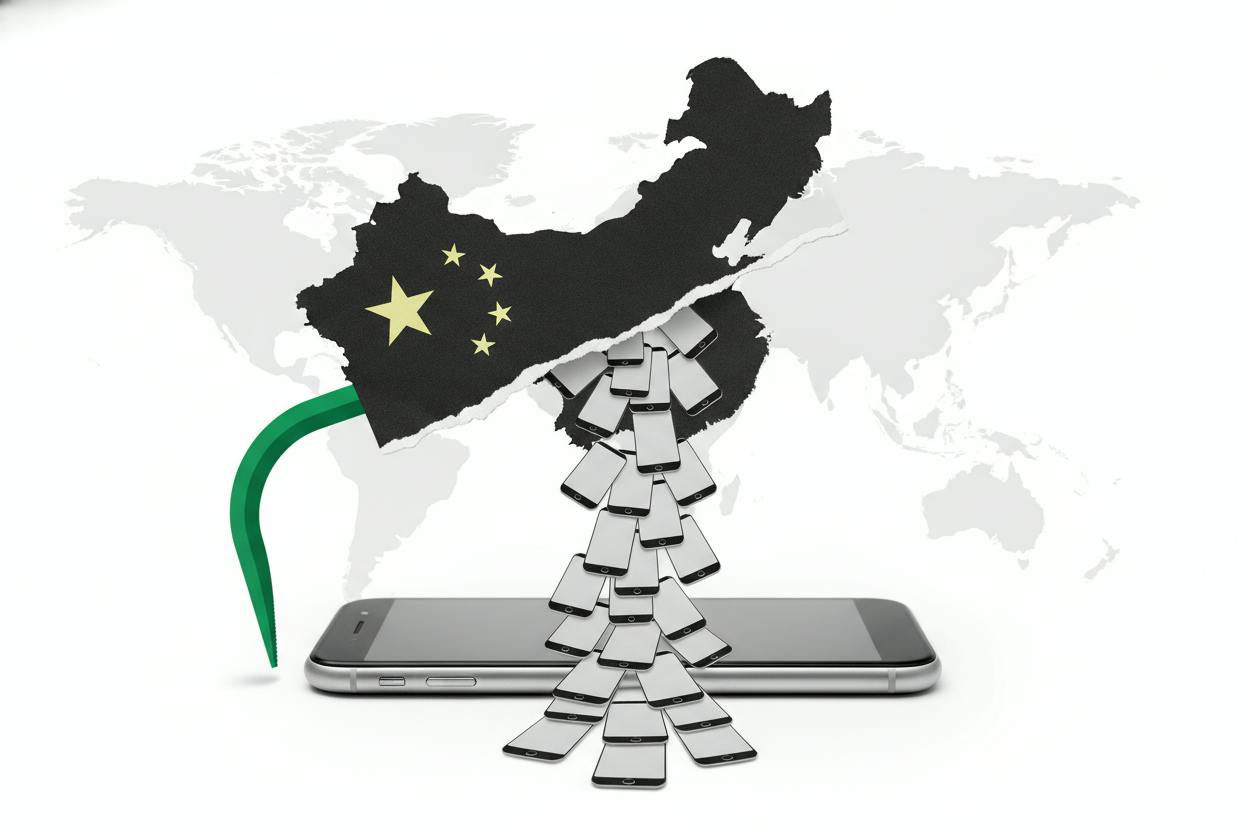
Apple's iPhone 18 Pro is off to a mixed start. Global sales in the first three weeks rose 3.1% year over year, according to Counterpoint Research data cited by Reuters. But that headline number masks a sharp divergence: China powered the gain, while the US and Japan saw sales fall.
In China, iPhone 18 Pro series sales jumped 29% year over year. Counterpoint attributes much of that to Apple having more phones in stock at launch than it did for the iPhone 17 Pro rollout, which removed an earlier availability bottleneck. In other words, more supply meant more sales happened right away.
Outside China, the picture was softer. US sales fell 4%, and Japan dropped 27%. Higher prices were a key factor in both markets, and in Japan, currency moves made those price increases feel even larger for local buyers.
Why the global number is noisier than it looks
Early "sell-through" numbers—what actually gets sold to consumers—are a race between demand and supply. When supply is tight, sales get capped; when supply is plentiful, purchases can get pulled forward into the launch window. That's why China's 29% jump, helped by higher early inventory, makes the global 3.1% increase a less reliable read on the health of Apple's full iPhone cycle than usual.
For everyday investors, the key takeaway is that a strong opening headline can be driven as much by stock availability as by genuine upgrade demand. A 3.1% global increase could look impressive, but if it's mostly a supply effect, it doesn't necessarily signal a blockbuster year for iPhone sales.
The more useful signal for the months ahead is whether the US and Japan stabilize after launch, or whether the initial price pushback turns into broader demand softness. If weakness persists, Apple may need to lean on promotions or accept a less premium sales mix, which could trim average selling prices and profit margins.
What it means for investors
Apple's iPhone business is its largest revenue driver, so any sign of demand softness in key markets matters. The US is Apple's home market and a major profit center; Japan, while smaller, is a mature market where price sensitivity is high. A 27% drop in Japan is notable, even if it's partly due to currency effects.
Investors should watch whether Apple adjusts pricing or offers more aggressive trade-in deals in the coming months. Historically, when price-sensitive markets push back, companies often respond with incentives that can erode margins. That's a trend to monitor rather than a reason to panic.
China's strength is a positive, but it's worth remembering that Chinese consumers have also shown a willingness to switch to domestic brands like Huawei and Xiaomi. The fact that Apple's early inventory advantage helped there suggests the company is competing effectively, but it doesn't guarantee sustained momentum.
For context, Apple's broader ecosystem—services, wearables, and Mac—can offset some iPhone weakness, but the handset remains the core. A softer iPhone cycle could weigh on the stock, especially if it coincides with other headwinds like broader China market volatility or shifts in global demand.
It's also worth noting that Apple has faced similar patterns before. Launch windows often see uneven regional performance, and the full picture only emerges after a few months of data. Early numbers are just one data point.
For investors, the bottom line is to look beyond the headline. The 3.1% global increase is real, but it's not the whole story. Watch for updates on US and Japan demand, any commentary from Apple about pricing strategy, and whether China's early momentum holds. Those will be the real tests of this iPhone cycle.