Japanese trading giant Itochu has expanded its bet on the future of auto insurance, increasing its stake in MOTER Technologies, a California-based insurtech that uses vehicle data to assess driving risk. The move makes Itochu the company's second-largest shareholder and pairs it with Aioi Nissay Dowa Insurance, a major Japanese insurer, to build what they call next-generation mobility insurance tools for the US and Asia.
What is MOTER and why does it matter?
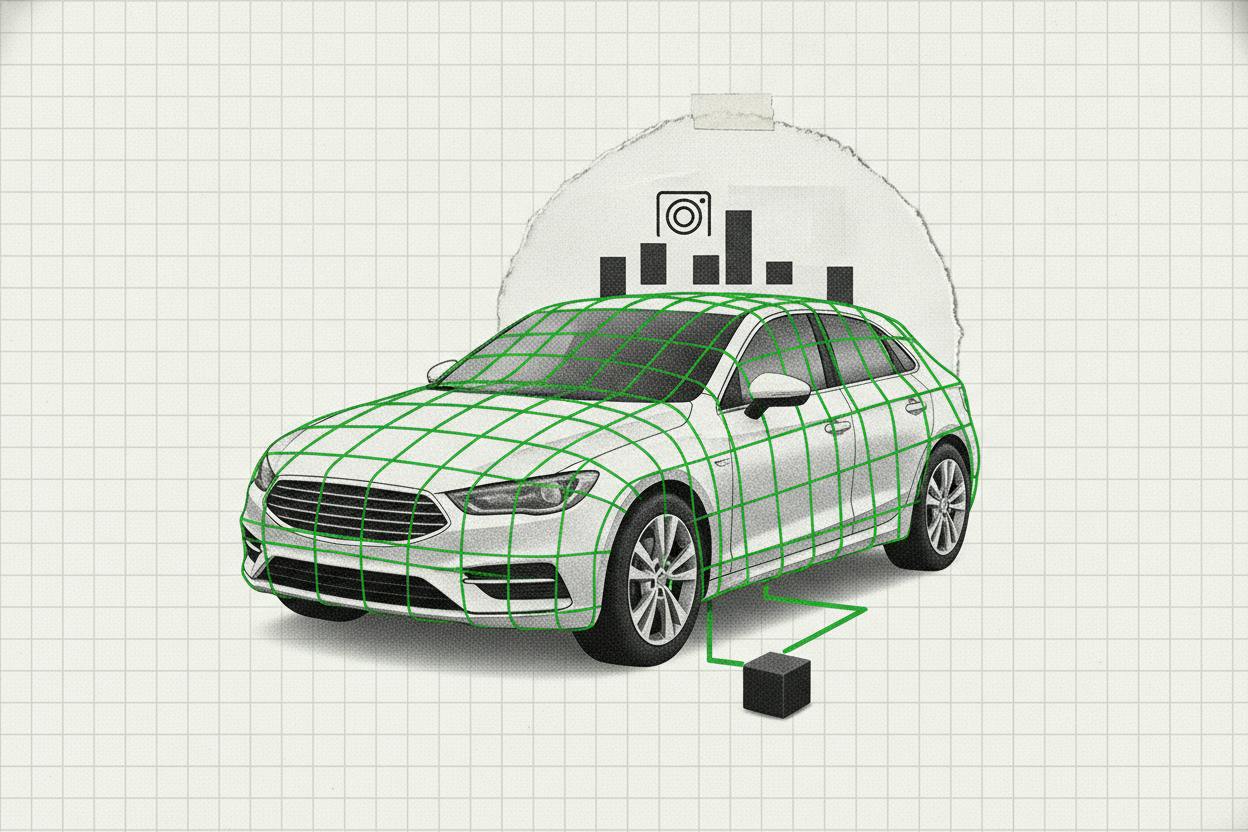
MOTER builds software that taps into telematics — the technology that collects data from connected cars, including GPS, speed, braking patterns, and even onboard camera footage. The company's platform scores driving behavior and estimates accident risk, which insurers can use to price policies more accurately and reward safer drivers.
This is part of a broader shift in the insurance industry toward usage-based and behavior-based coverage. Instead of relying solely on static factors like age, gender, and credit score, insurers are increasingly looking at real-time data to tailor premiums. For everyday drivers, that could mean lower rates for cautious habits, but it also raises questions about privacy and how much data insurers can access.
The partnership and ownership structure
Itochu first invested in MOTER in August 2025. Now, it has purchased newly issued shares, deepening its involvement. Aioi Nissay Dowa, which originally established MOTER in April 2021, remains the majority owner. The new partnership between Itochu and Aioi Nissay Dowa is aimed at developing mobility insurance products that can be deployed across the US and Asia.
For Itochu, this is not just a financial investment. The trading house has been expanding its footprint in mobility and technology services, and a stake in MOTER gives it a foothold in the fast-growing telematics insurance market. For Aioi Nissay Dowa, having Itochu on board brings additional capital and distribution muscle, particularly in Asian markets where Itochu has deep relationships.
What does this mean for investors?
For everyday investors, this deal is a signal that large conglomerates see long-term value in data-driven insurance. Telematics is not a niche concept anymore — it is becoming a standard feature in many auto policies, especially as connected cars become more common. Companies that can effectively analyze driving data may gain a competitive edge in pricing and customer retention.
However, it's important to note that MOTER is a private company, so individual investors cannot directly buy shares. The impact on Itochu's stock is likely to be modest, as this is a relatively small investment compared to the trading house's overall portfolio. Still, the partnership could open up new revenue streams for Itochu in the insurance and mobility sectors.
For those watching the broader market, this deal is part of a larger trend of traditional companies investing in technology startups. Similar moves have been seen across industries, from SoftBank's massive bet on OpenAI to Transurban's expansion in toll roads. These investments often carry higher risk but also the potential for outsized returns if the technology takes off.
What to watch next
Investors should keep an eye on how quickly MOTER's technology gets adopted by insurers in the US and Asia. If telematics-based pricing becomes the norm, it could disrupt traditional auto insurance models, affecting both established insurers and new entrants. Regulatory developments around data privacy will also be crucial, as stricter rules could limit how driving data is collected and used.
For Itochu, the success of this partnership will depend on its ability to integrate MOTER's software into insurance products that appeal to consumers. The trading house has a history of building businesses in diverse sectors, from food to energy, and this move shows it is willing to bet on the digital transformation of insurance.
In the meantime, the deal underscores a simple reality: the cars we drive are generating more data than ever, and that data is becoming a valuable asset. For investors, understanding how that data is used — and who profits from it — could be key to spotting the next big opportunity in the mobility and insurance space.