J.B. Hunt Transport Services, one of the largest freight haulers in the United States, reported second-quarter earnings that topped analyst estimates on Wednesday, driven by a sharp increase in its intermodal business. The company earned $1.91 per share for the quarter ended June 30, beating the $1.74 consensus forecast from analysts polled by LSEG. Revenue rose 19% year over year to $3.5 billion.
Intermodal Strength Drives the Beat
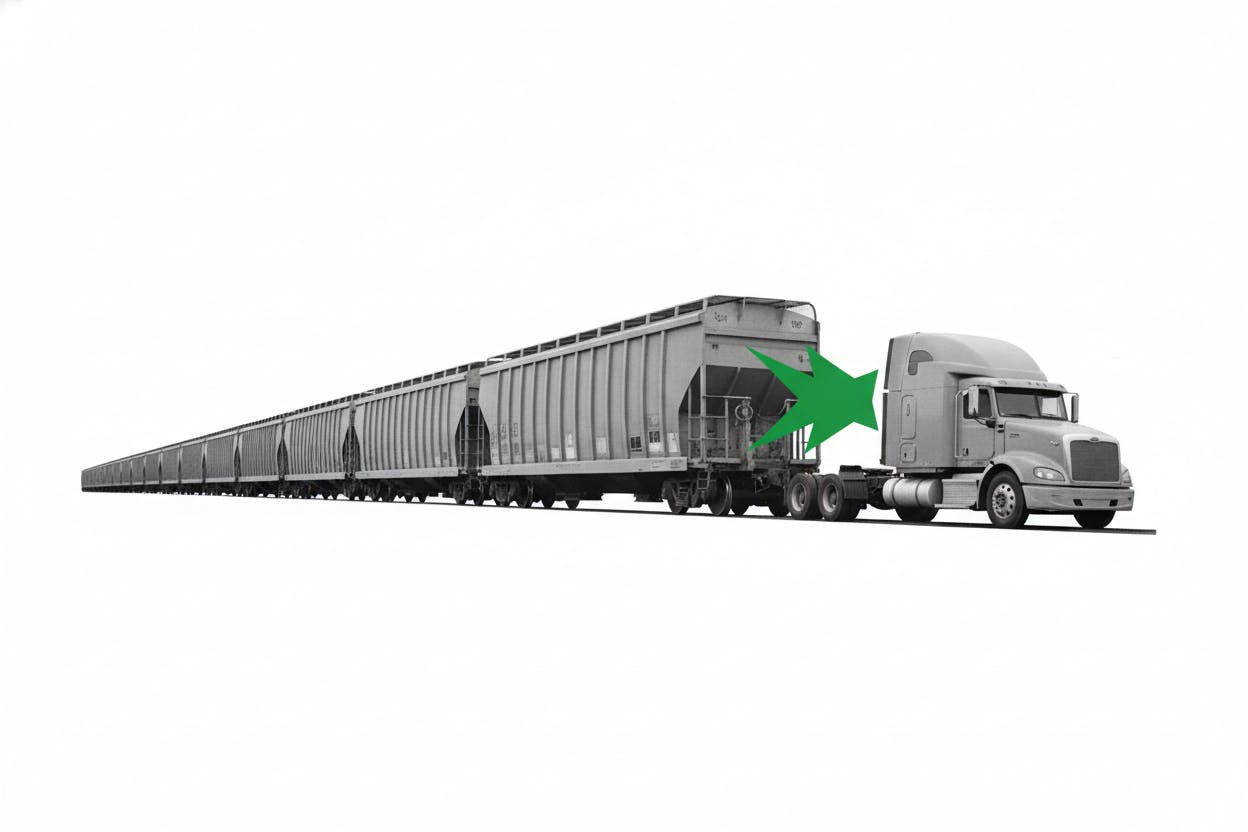
The standout driver was intermodal freight, which combines rail for long hauls with trucks for local pickup and delivery. That segment, which accounts for roughly half of J.B. Hunt's total revenue, saw volumes climb 10% during the quarter. The growth suggests that shippers are increasingly choosing intermodal as a way to lower overall transportation costs, especially as fuel prices and labor expenses remain elevated.
Intermodal is often seen as a bellwether for the broader freight market. When volumes rise, it typically signals that retailers and manufacturers are moving more goods, which can be a positive sign for the economy. J.B. Hunt's results kicked off earnings season for the US trucking industry, and the beat could set a positive tone for other carriers reporting in the coming weeks.
What It Means for Investors
For everyday investors, J.B. Hunt's earnings offer a window into the health of the supply chain and consumer demand. A 10% jump in intermodal volumes suggests that companies are still shipping goods at a healthy pace, even as some economists worry about a slowdown. The revenue growth also indicates that J.B. Hunt is able to pass on higher costs to customers, which is a good sign for pricing power in the industry.
However, investors should keep an eye on costs. Like many transportation companies, J.B. Hunt faces headwinds from fuel prices, driver shortages, and equipment maintenance. The company's ability to manage those expenses while growing volumes will be key to sustaining profitability. The earnings beat is a positive data point, but it's just one quarter—investors will want to see if the trend continues.
In the broader market, transportation stocks are often seen as a leading indicator for the economy. Strong results from a major player like J.B. Hunt can boost confidence in other sectors, from retail to manufacturing. For context, other financial firms like Citi and BNY have also reported strong earnings recently, though each faces its own set of challenges.
Looking Ahead
J.B. Hunt's performance will likely be closely watched by analysts and investors as a gauge for the rest of the trucking sector. If intermodal volumes continue to grow, it could signal that the economy is on firmer footing than some feared. On the other hand, any slowdown in the second half of the year could raise concerns about demand.
For now, the company's ability to beat expectations on both profit and revenue is a clear win. The question is whether that momentum can be sustained in an environment of uncertain interest rates and shifting consumer spending patterns. As always, investors should consider the broader economic backdrop and not make decisions based on a single earnings report.