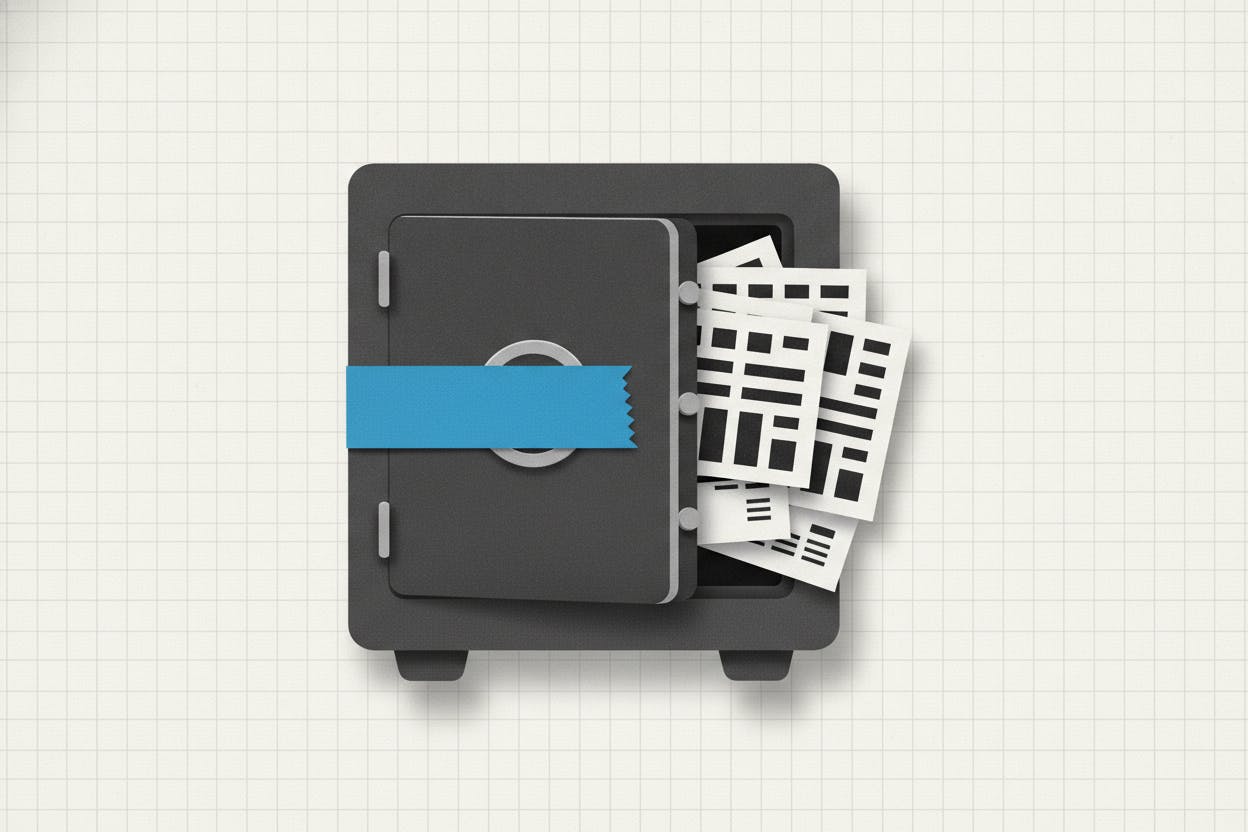
Jack in the Box (NASDAQ: JACK) is in the middle of a strategic overhaul designed to dig the fast-food chain out from under a heavy debt load. After selling off its Del Taco subsidiary, the company is now relying on a turnaround initiative called “JACK on Track” to close underperforming locations, boost profit margins, and chip away at roughly $1.6 billion in debt.
The plan marks a sharp pivot for the San Diego-based company, which had spent years building a multi-brand portfolio. By shedding Del Taco, Jack in the Box is refocusing entirely on its core hamburger chain and trying to fix the operational issues that have weighed on its financial performance.
What Is 'JACK on Track'?
“JACK on Track” is the company’s internal name for a multi-year reset. The core elements include closing company-owned and franchised restaurants that are dragging down overall sales and profitability, streamlining the menu and supply chain to improve margins, and using the cash generated from those improvements to reduce debt.
For everyday investors, the key metric to watch is the company’s debt-to-EBITDA ratio—a measure of how many years it would take to pay off debt using earnings before interest, taxes, depreciation, and amortization. A high ratio signals financial strain, and Jack in the Box’s roughly $1.6 billion in debt is a significant burden for a company with a market capitalization of around $1 billion.
Closing weak stores can help in two ways: it removes unprofitable locations that drain cash, and it frees up franchisees to focus on better-performing sites. However, store closures also reduce total revenue in the short term, so the success of the plan hinges on whether the remaining locations can generate higher margins and stronger same-store sales growth.
Why Selling Del Taco Was a Key Move
Jack in the Box acquired Del Taco in 2022 for about $575 million, hoping to expand its footprint in the Mexican-American fast-food segment. But the deal added to the company’s debt pile and the chain struggled to deliver the expected returns. Selling Del Taco allowed Jack in the Box to simplify its business and use the proceeds to pay down some debt.
This kind of divestiture is common in the restaurant industry when a brand underperforms or distracts management from the core concept. For investors, the sale removes a drag on earnings and gives the company a cleaner story—but it also means Jack in the Box is now a single-brand operator in a highly competitive burger market dominated by McDonald’s, Burger King, and Wendy’s.
What It Means for Investors
Jack in the Box’s turnaround is a high-risk, high-reward bet. If “JACK on Track” succeeds, the company could emerge with a leaner store base, healthier margins, and a manageable debt load. That could lead to higher earnings per share and, potentially, a higher stock price.
But the path is uncertain. Closing stores hurts revenue in the near term, and the burger segment is facing headwinds from inflation-weary consumers trading down to cheaper options or cooking at home. The company also faces rising labor and food costs, which can squeeze margins even at well-run locations.
Investors should watch for quarterly updates on same-store sales, restaurant-level margins, and debt reduction progress. Any signs that the plan is gaining traction—such as improving traffic trends or faster debt paydown—could boost confidence. Conversely, if the company struggles to execute, the debt burden could become more pressing.
For context, other restaurant chains have attempted similar turnarounds with mixed results. The key is whether Jack in the Box can stabilize its core business before its debt costs eat into cash flow. As the company works through its “JACK on Track” plan, the next few quarters will be critical in determining whether the burger chain can dig itself out of its financial hole.