Bank of America Securities has downgraded Fox Factory Holding Corp., a maker of high-performance suspension components for bikes, vehicles, and off-road vehicles, to underperform. The bank's analysts argue that the company's ongoing cost-cutting efforts are unlikely to meaningfully boost earnings in 2026, given persistent weak demand and supply chain disruptions. The news sent Fox Factory's stock down 9.4% on Tuesday.
Why the Downgrade?
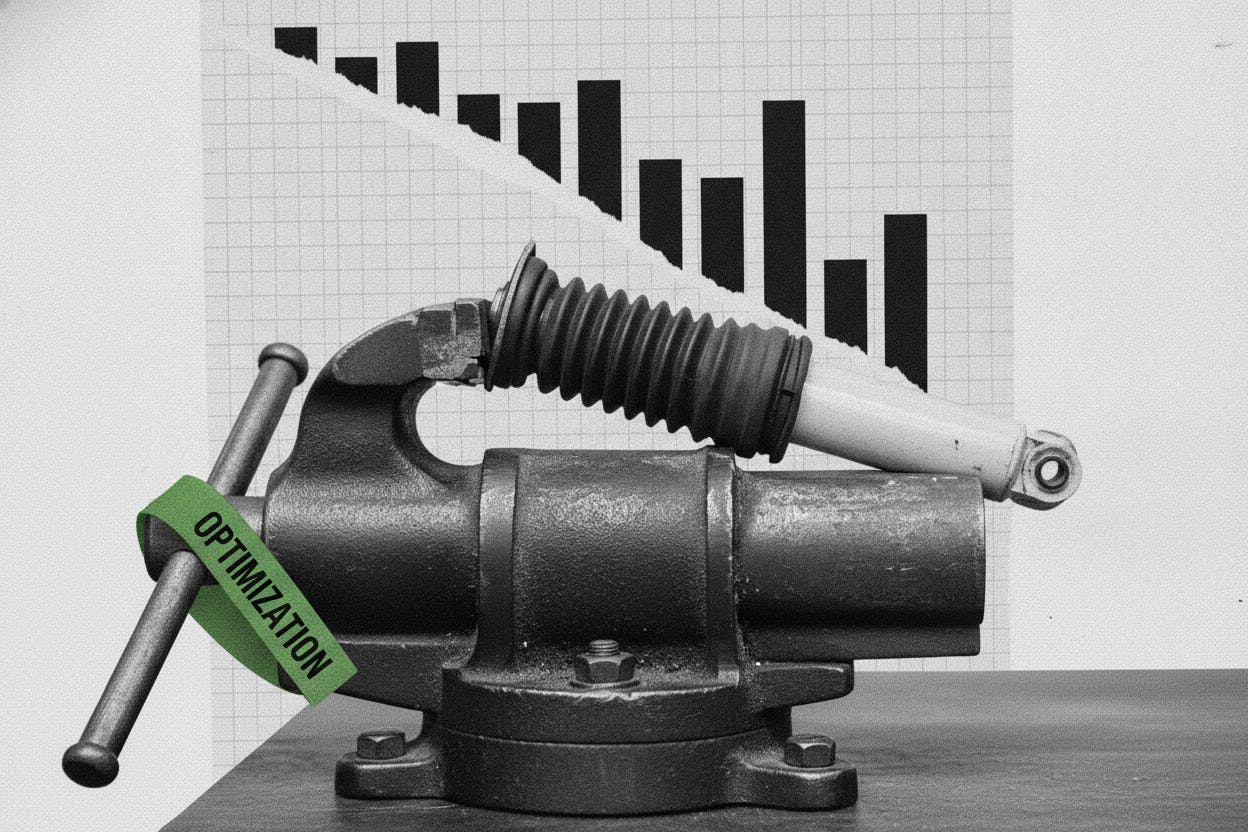
Fox Factory has been working to trim expenses through layoffs and operational efficiencies, but BofA sees those moves as insufficient to overcome the headwinds. The company faces a double blow: sluggish demand from both its cycling and automotive customers, and lingering supply chain issues that have made it harder to get parts and materials on time. These factors, the bank says, will keep earnings growth capped in 2026.
The downgrade to underperform is a clear signal that BofA expects Fox Factory to underperform its peers or the broader market. For everyday investors, this means the stock may face continued pressure unless demand picks up or supply chains improve significantly.
What's Behind the Weak Demand?
Fox Factory's products are used in premium bicycles, motorcycles, and off-road vehicles like side-by-sides and snowmobiles. Demand in these markets has softened as consumers pull back on big-ticket discretionary purchases amid higher interest rates and inflation. The cycling industry, in particular, has been in a downturn after a pandemic-era boom, with retailers holding excess inventory and cutting orders.
Supply chain issues, while easing from their worst levels, remain a problem for many manufacturers. Fox Factory has cited delays in receiving components and raw materials, which can disrupt production and raise costs. This combination of weak demand and supply constraints is a tough environment for any company trying to cut its way to higher profits.
What It Means for Investors
For investors holding Fox Factory shares, the downgrade is a cautionary note. Cost cuts can help a company weather a downturn, but they are rarely enough to drive a stock higher when the core business is struggling. BofA's view suggests that even if Fox Factory hits its cost-saving targets, the revenue side of the equation may not cooperate.
Investors should watch for signs of demand recovery in Fox Factory's end markets. Key indicators include retail sales data for bikes and off-road vehicles, as well as commentary from major retailers like REI or dealerships. Supply chain improvements could also help, but those are often slow and unpredictable.
This downgrade is part of a broader trend on Wall Street where analysts are reassessing companies that rely on cost-cutting to boost profits. For example, MSG Entertainment was recently downgraded as optimism over a theater deal was already priced in, showing that analysts are wary of stocks where good news is already reflected in the price.
Broader Market Context
Fox Factory's struggles are not unique. Many manufacturers are grappling with a similar mix of weak demand and supply chain headaches. In the auto sector, Stellantis extended downtime at its Fiat 500 factory, raising questions about whether parts shortages or weak demand were to blame. Meanwhile, Japan's factory output dropped 1.7% as the yen weakened, complicating the central bank's rate path.
On the other hand, some factory activity is showing signs of life. China's factory activity edged back into growth in June as new orders rebounded, offering a glimmer of hope for global supply chains. But for Fox Factory, which is heavily exposed to North American and European markets, the recovery may take longer.
What to Watch Next
Fox Factory's next earnings report will be critical. Investors will want to see if cost cuts are translating into better margins, and whether management's outlook for 2026 has improved. Any signs of demand stabilization or supply chain relief could change the narrative.
For now, BofA's downgrade is a reminder that cost-cutting alone is not a growth strategy. In a weak demand environment, even the best-run companies can struggle to move the needle.