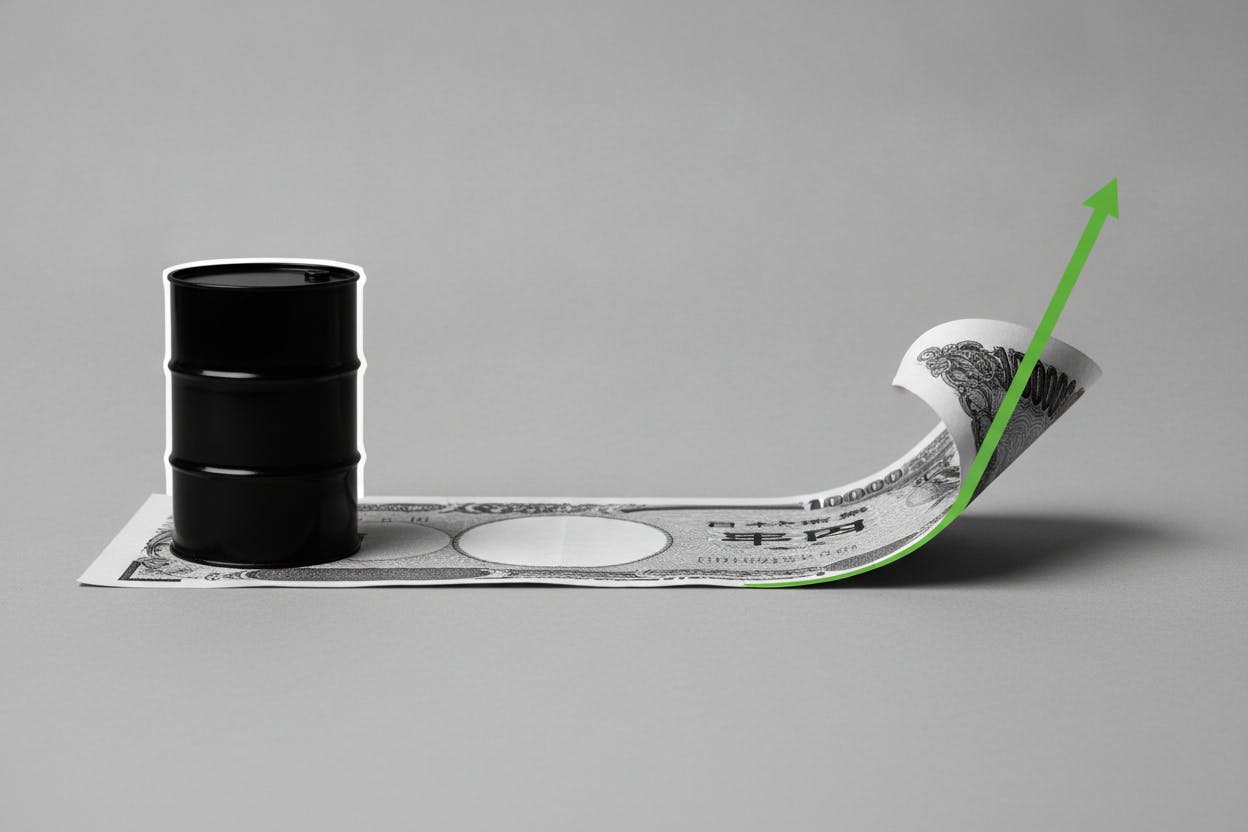
Japan's benchmark 10-year government bond yield climbed to 2.875% on Tuesday, as a jump in crude prices and growing conviction that the Bank of Japan (BoJ) will raise interest rates at its September 17-18 meeting pushed yields higher across the curve. The move underscores how inflation fears are once again rattling bond markets, not just in Japan but globally.
Why oil matters so much for Japan
Japan is one of the world's largest importers of energy, relying on foreign oil and gas for nearly all of its needs. That makes the country especially sensitive to swings in crude prices. When oil rises, the cost of transportation, heating, and electricity tends to follow, feeding directly into consumer inflation. Unlike economies with large domestic energy production, Japan has little buffer against global price shocks.
According to the source brief, crude prices rose by about $2 a barrel overnight, driven by renewed Middle East tensions. That uptick was enough to reignite fears that inflation in Japan could stay stickier than previously hoped, prompting investors to demand higher yields on government bonds. Bond yields move inversely to prices, so a rise in yields means bond prices are falling.
BoJ rate hike bets firm up
Adding to the pressure was a shift in market expectations for the Bank of Japan's next policy move. With inflation showing signs of persistence, traders are increasingly pricing in a rate hike at the central bank's September meeting. The BoJ has been gradually normalizing policy after years of ultra-low interest rates, and any further tightening would make Japanese bonds less attractive relative to other assets, pushing yields up.
The combination of higher oil and a more hawkish BoJ outlook has pushed yields up across the curve, not just at the 10-year tenor. Short-term yields also rose, reflecting expectations that the central bank will act sooner rather than later.
What this means for investors
For everyday investors, the rise in Japanese bond yields is more than a distant data point. It signals that inflation pressures are not confined to the United States or Europe—they are a global phenomenon. As Asia stocks slip as US yields near 5.30%, the same forces are at work across major economies.
Higher yields in Japan can also influence global capital flows. Japanese investors, who hold large portfolios of foreign bonds, may be tempted to bring money home if domestic yields become more attractive. That could put upward pressure on the yen and potentially affect markets elsewhere.
For those with exposure to Japanese equities, the picture is mixed. On one hand, a stronger yen can hurt exporters' profits. On the other, a healthy economy with rising wages and inflation can support corporate earnings. The key is to watch whether the BoJ follows through on its hawkish signals and how oil prices evolve.
Global bond market context
Japan's yield move is part of a broader trend. In the United States, the 30-year Treasury yield recently climbed to 5.225%, and Treasury buybacks fail to halt the 30-year yield climb, highlighting how difficult it is to contain long-term borrowing costs when inflation fears persist. Similarly, the TSX hit a two-week low as rising US bond yields pressure bank stocks, showing that higher yields can weigh on equity valuations, particularly for interest-rate-sensitive sectors.
Oil's role in this dynamic cannot be overstated. As Bitcoin rises as oil and bond yields pressure US stocks, investors are clearly grappling with the same inflation narrative across asset classes. The fact that even cryptocurrencies are reacting to oil and yield moves underscores how interconnected global markets have become.
What to watch next
Investors will be closely monitoring the BoJ's September meeting for any hints of a rate move. Also on the radar: the path of crude prices, which could either ease or intensify inflation fears. If oil continues to climb, Japanese yields—and yields elsewhere—could keep rising, putting further pressure on bond prices and potentially rattling equity markets.
For now, the message is clear: inflation is not dead, and central banks are not done responding. Whether you hold bonds, stocks, or cash, understanding how these forces interact is key to navigating the months ahead.