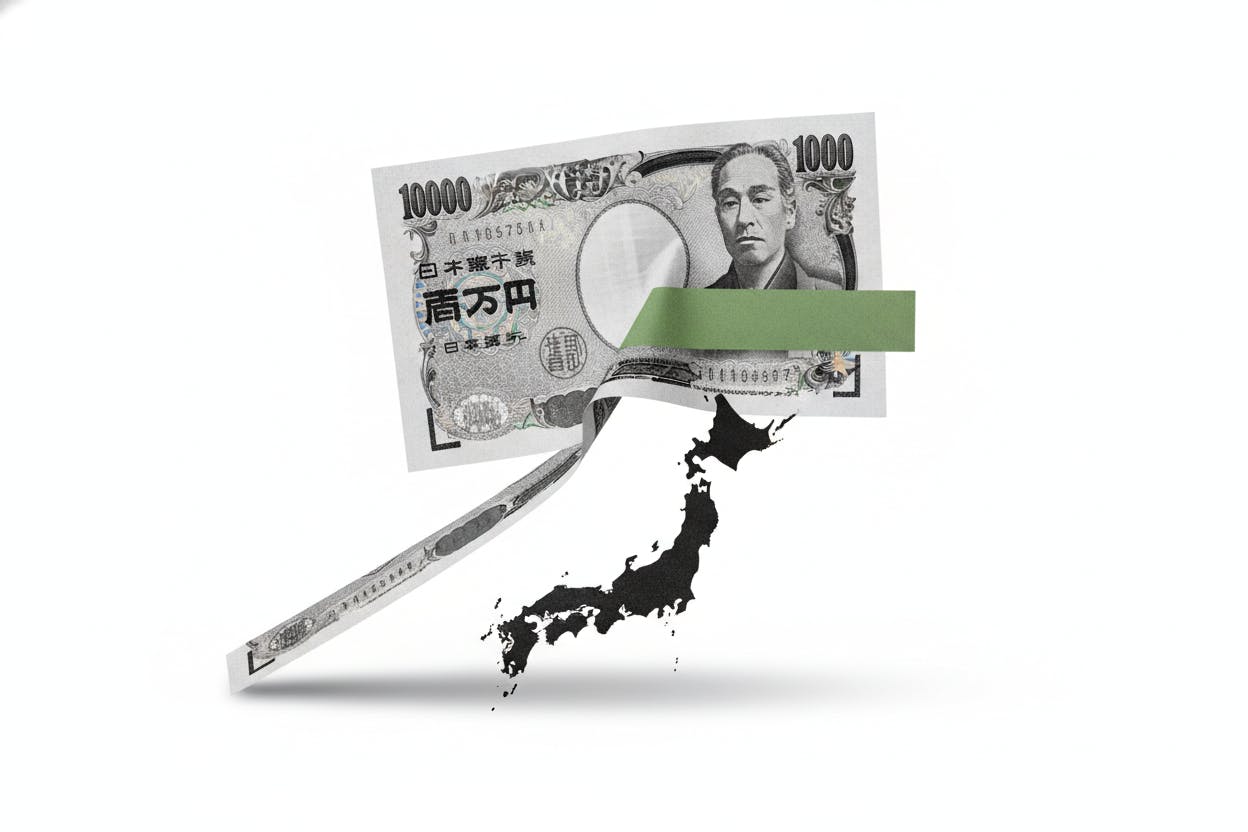
Japan's two-year government bond yield has surged to its highest level in more than three decades, as traders increasingly bet that the Bank of Japan (BOJ) will raise interest rates sooner than previously expected. The yield, which is highly sensitive to monetary policy expectations, climbed to 1.605%—a level not seen since May 1995, according to Reuters.
The move comes as the yen weakens against major currencies, reviving speculation that the BOJ may act as early as September to support its currency and combat imported inflation. Short-dated bond yields like the two-year JGB tend to move in lockstep with expectations for the central bank's policy rate, so the jump is essentially the bond market's way of saying borrowing costs in Japan are likely to rise.
Why the two-year yield matters
The two-year government bond is one of the most policy-sensitive instruments in any bond market. Its yield reflects what investors think the central bank will do with its benchmark interest rate over the next couple of years. When traders expect a hike, yields rise; when they expect a cut, yields fall.
In Japan's case, the BOJ has kept interest rates at ultra-low levels for years to stimulate the economy and fight deflation. But with inflation now running above the central bank's 2% target and the yen under pressure, the calculus is shifting. A weaker yen makes imports more expensive, feeding inflation and putting pressure on the BOJ to tighten policy.
The rise in the two-year yield is not an isolated event. Yields also moved higher further out the curve, suggesting that expectations of tighter policy are spilling into longer-term financing conditions. That could have ripple effects on everything from mortgage rates to corporate borrowing costs in Japan.
What's driving the rate hike bets?
The immediate trigger is the yen's slide. When the yen weakens, it raises the cost of imported goods and energy, which can push inflation higher. That gives the BOJ a reason to raise rates to defend the currency and keep price growth in check.
Traders are now pricing in a meaningful chance of a hike at the BOJ's September meeting. While the central bank has been cautious about tightening too quickly, the market's message is clear: the era of ultra-loose monetary policy in Japan may be coming to an end.
This is a significant shift for global investors. Japan has been the world's last major economy with negative or near-zero interest rates, and its bond market has long been a haven for yield-seeking investors. A sustained rise in Japanese yields could alter the flow of capital around the world, as investors reassess the relative attractiveness of Japanese assets.
What it means for investors
For everyday investors, the move in Japanese bond yields is more than a niche market event. It signals that the global interest rate environment is still in flux, and that central banks beyond the US and Europe are tightening policy.
Higher Japanese yields could make Japanese government bonds more competitive relative to other safe-haven assets, potentially drawing money away from US Treasuries or other bonds. That could put upward pressure on yields elsewhere, including in the US, where the Federal Reserve is also grappling with inflation and rate expectations.
For those with exposure to Japanese stocks, the picture is mixed. On one hand, a stronger yen—if the BOJ hikes—could hurt exporters by making their goods more expensive abroad. On the other hand, higher rates could signal confidence in the economy. As seen in recent Japanese earnings reports, corporate performance has been uneven, with some companies benefiting from the weak yen and others struggling.
The yen's weakness has been a recurring theme in global markets, and the US has even stepped in to support it in the past, as detailed in why the US helped prop up the yen. If the BOJ does hike in September, it would be a major policy shift with global implications.
What to watch next
Investors will be closely watching the BOJ's communications in the coming weeks for any hints about the timing of a move. The central bank has been careful not to surprise markets, but the bond market's reaction suggests that patience may be wearing thin.
Also on the radar: the path of the yen. If it continues to weaken, the case for a September hike strengthens. If it stabilizes, the BOJ may feel less urgency.
For now, the two-year yield's 31-year high is a clear signal that the market believes Japan's monetary policy is at a turning point. Whether that belief is correct will become clearer in the months ahead.