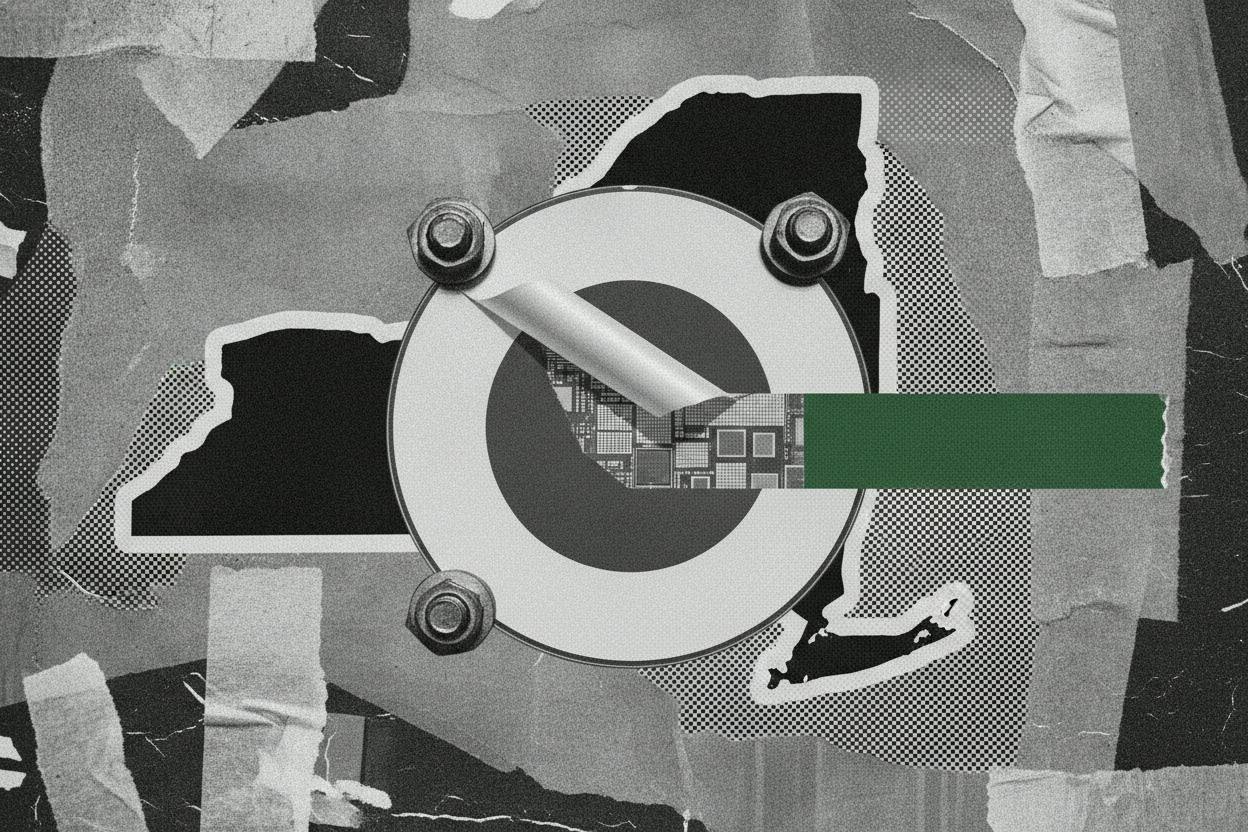
Japan is stepping up its role in the global semiconductor race with a plan to fund up to $21 billion for two new chip plants in New York state. The factories will be co-owned by the US government and Japanese interests, but operated by GlobalFoundries, one of the world's largest contract chipmakers. Apple and Japan's Renesas Electronics have been named as early customers.
What's behind the deal?
The arrangement reflects a broader push by governments to secure supply chains for advanced chips, which are critical to everything from smartphones to cars and military hardware. By co-owning the plants, both Washington and Tokyo gain a direct stake in production capacity on US soil, reducing reliance on overseas manufacturing hubs, particularly in Asia.
GlobalFoundries, which is headquartered in the US but has roots in a spin-off from AMD, already operates a major facility in upstate New York. Its expertise in making chips for a wide range of industries—from consumer electronics to automotive—makes it a natural operator for the new plants. The company's role is to run the day-to-day manufacturing, while the owners provide the capital and strategic oversight.
Apple's involvement as an early customer is notable. The tech giant has long depended on external chipmakers for its iPhones and other devices, and securing a domestic supply source could help insulate it from geopolitical disruptions. Renesas, a leading supplier of microcontrollers for cars and industrial equipment, also stands to benefit from a stable, US-based production line.
Why this matters for investors
For everyday investors, this deal is a signal that governments are willing to put serious money behind semiconductor manufacturing. The $21 billion commitment is a large sum, and it underscores how central chips have become to national economic and security strategies. That could translate into more stable earnings for companies in the supply chain, as long-term contracts and government backing reduce some of the cyclical risk that has historically plagued the industry.
It also highlights the growing trend of "friend-shoring"—moving production to allied countries rather than relying on a single region. This shift has been accelerating since the pandemic exposed how fragile global supply chains can be. For investors, that means companies with exposure to US and Japanese chip manufacturing could see more predictable demand, even if the initial construction costs are high.
However, it's worth noting that building new fabs is a long and expensive process. The plants will take years to come online, and there's no guarantee that demand will keep pace with the new supply. The semiconductor industry has a history of boom-and-bust cycles, and a surge in capacity could eventually lead to oversupply, which would pressure prices and margins.
What to watch next
Investors will be watching several things in the coming months. First, how quickly the construction proceeds and whether the timeline stays on track. Second, whether other customers sign on beyond Apple and Renesas, which would signal broader market confidence. Third, how the co-ownership structure works in practice—joint ventures between governments and private companies can be complex, and any friction could delay production.
The deal also fits into a wider pattern of government-backed chip investments. The US has already passed the CHIPS Act, which provides billions in subsidies for domestic semiconductor production, and Japan has its own incentives for chipmakers. This New York project is one of the largest cross-border collaborations to date, and its success could set a template for future deals.
For context, other recent moves in the semiconductor and broader industrial space include Rio Tinto's capital release plans and LSEG's acquisition talks, but the chip sector remains a focal point for government and corporate spending alike.
Bottom line
Japan's $21 billion commitment to New York chip plants is a clear sign that semiconductors are now a top priority for governments worldwide. For investors, it reinforces the long-term growth story for the industry, but also carries the usual risks of large-scale manufacturing projects. As with any major capital expenditure, patience will be key—the payoff, if it comes, will likely be measured in years, not quarters.