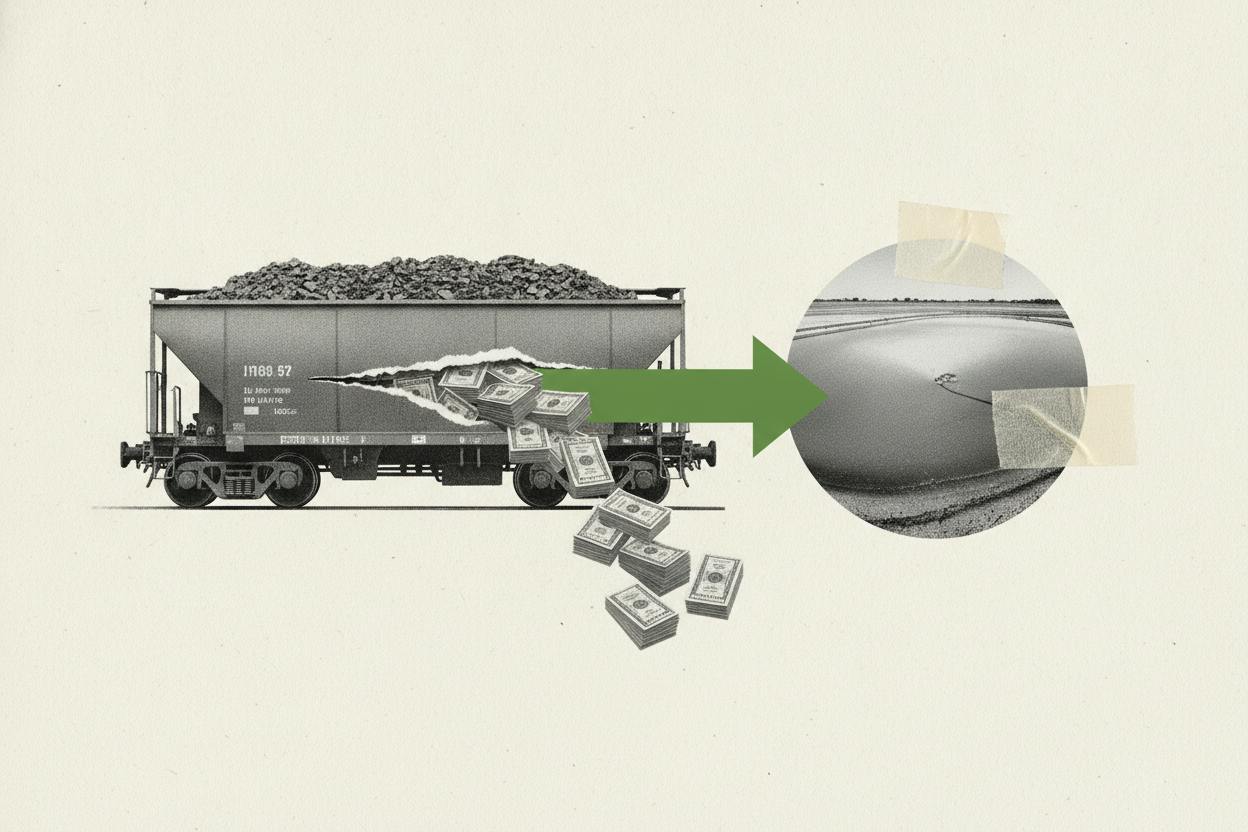
Rio Tinto reported third-quarter iron ore sales that topped analyst expectations, helped by strong shipments from its Pilbara operations in Western Australia. The mining giant moved 85.7 million metric tons of the steelmaking ingredient during the quarter, a slight increase from a year earlier and ahead of what analysts had forecast.
The company also reaffirmed its full-year shipment guidance for the Pilbara and said it remains on track to free up roughly $5 billion of capital that is currently tied up in its business by the end of 2026. Management pointed out that the fourth quarter is typically the strongest for volumes, suggesting the shipment story remains intact for the rest of the year.
Why the Pilbara matters so much
For Rio Tinto, the Pilbara is the crown jewel. The region hosts one of the world's largest iron ore deposits, and the company operates an integrated network of mines, rail lines and ports there to move the material to global markets. Iron ore is the single biggest contributor to Rio Tinto's earnings, which means quarterly shipment numbers from the Pilbara are watched closely by investors as a barometer of the company's health.
Iron ore is the raw material used to make steel, and demand is heavily influenced by construction and infrastructure activity, especially in China, the world's largest steel producer. When Chinese steel mills are busy, they buy more iron ore, and prices and volumes tend to rise. When Chinese growth slows, the opposite happens. That dynamic is a key reason why Rio Tinto's shares often trade in sympathy with Chinese economic data and commodity prices.
The fact that Rio Tinto kept its full-year guidance unchanged is significant. Mining companies sometimes revise guidance mid-year if weather disruptions, equipment problems or port outages affect production. Holding guidance steady signals that operations are running broadly as planned, even as global economic uncertainty lingers.
The $5 billion capital release, explained
Rio Tinto's plan to unlock about $5 billion of tied-up capital by the end of 2026 is a separate but related story. In simple terms, "tied-up capital" refers to money that is locked into assets, projects or inventory that are not currently generating a return. By freeing up that cash, the company could use it to pay down debt, fund new projects, return money to shareholders through dividends or buybacks, or invest in growth areas.
Large miners often review their portfolios to identify assets that are underperforming or no longer fit their strategy. Selling those assets, winding down projects or improving efficiency can release cash. For Rio Tinto, which has faced pressure from investors to demonstrate disciplined capital allocation, hitting this target would be a tangible sign that management is focused on returns rather than just production volume.
It is worth noting that capital release targets are not guaranteed. They depend on market conditions, buyer interest in any assets being sold, and the pace of operational changes. Investors will likely want updates on this plan in future quarterly reports.
Lithium guidance shifts to the low end
Not everything in the update was upbeat. Rio Tinto said its lithium guidance is now trending toward the low end of its previous range. Lithium is a key ingredient in batteries for electric vehicles and energy storage, and it has become a growth area for Rio Tinto as the world transitions away from fossil fuels.
Lithium prices have been volatile in recent years, swinging sharply as supply and demand for EVs have shifted. When prices fall, producers sometimes slow expansion plans or trim output to protect margins. A guidance shift toward the low end does not necessarily mean trouble, but it does suggest that the lithium business is facing headwinds that could weigh on near-term results.
For investors, the mixed picture is familiar territory for a diversified miner: strength in one commodity can offset weakness in another. Iron ore remains the dominant earnings driver, so the solid Pilbara performance carries more weight than the lithium adjustment for now.
What it means for investors
For everyday investors, Rio Tinto's update offers a few takeaways. First, the company's core business is performing in line with expectations, which reduces the risk of a negative surprise in the near term. Second, the capital release plan, if delivered, could support shareholder returns or fund growth without requiring new borrowing. Third, the lithium softness is a reminder that even large diversified miners are exposed to commodity price cycles.
Investors will want to watch a few things next. The fourth-quarter production report will show whether the typically strong end-of-year volumes materialise. Any news on asset sales or capital release progress will be important for the $5 billion target. And broader Chinese economic data, especially around steel production and construction, will continue to influence iron ore prices and, by extension, Rio Tinto's earnings outlook.
It is also worth keeping an eye on how peers in the mining sector are performing. When one major miner reports solid volumes, it can lift sentiment across the group, but commodity markets are global and prices are set by supply and demand far beyond any single company's control. For those looking at the wider market, recent banking results have shown a mixed picture, as seen in Goldman's strong quarter, while consumer-facing companies are navigating their own challenges, such as Domino's trimmed sales outlook. In that context, Rio Tinto's steady operational performance stands out as a relatively reassuring signal for investors with exposure to the materials sector.
Overall, the update reinforces Rio Tinto's position as a low-cost iron ore producer with a clear plan to improve capital efficiency. The lithium guidance cut is a wrinkle, but not a game-changer for a company of its size. As always, investors should consider how commodity price swings and global growth trends fit into their broader portfolio strategy.