JD Sports, the UK-based sportswear and sneaker retailer, has trimmed its profit forecast for the year after reporting a sharper-than-expected decline in sales. In the 13 weeks to August 1, like-for-like sales—a key retail metric that strips out the impact of new store openings—fell 3.1%, a steeper drop than the 2.5% decline seen in the previous quarter.
The weakness was most pronounced in North America, where like-for-like sales tumbled 6.8%. That region has been a major growth engine for JD Sports in recent years, so the slowdown there is particularly significant. The company pointed to softer consumer demand, a thinner lineup of high-profile sneaker launches, and a shift in back-to-school shopping from July into early August as factors behind the slide.
Why the profit outlook is being cut
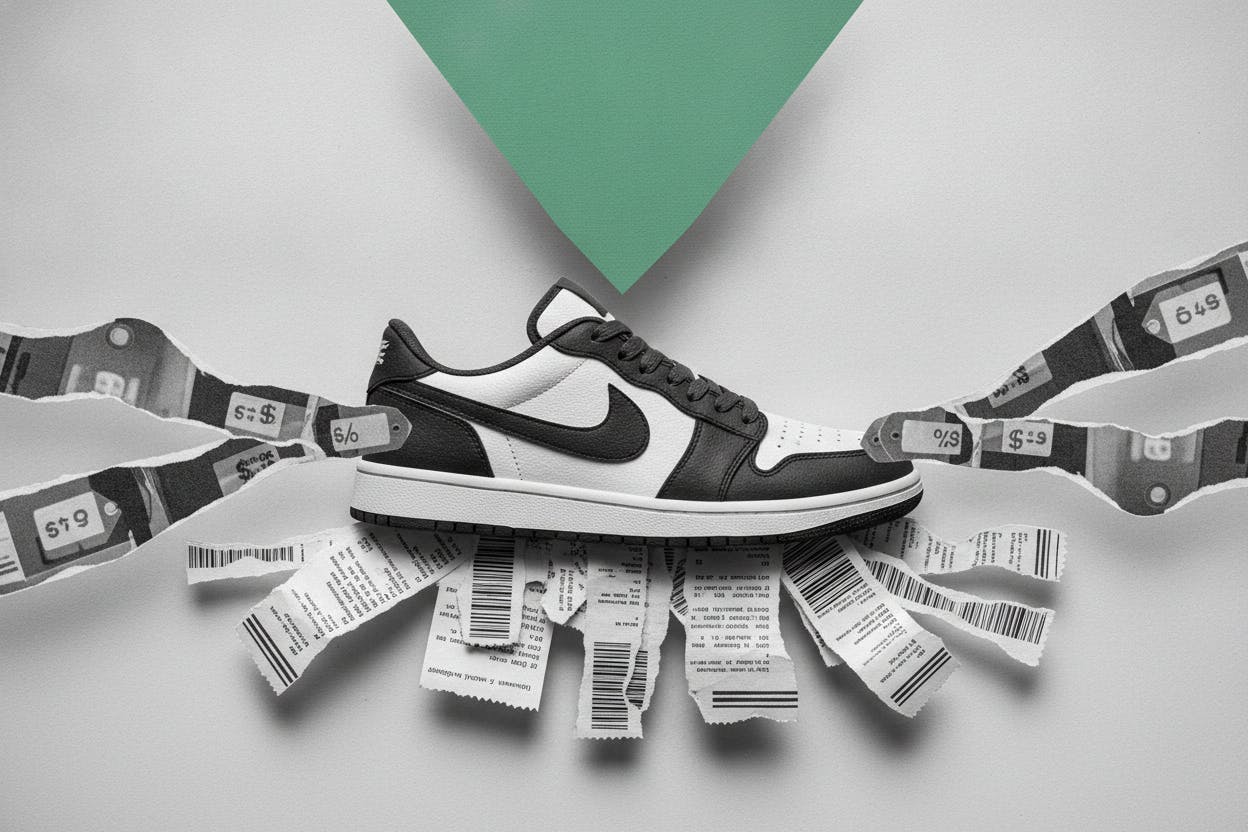
JD Sports said the market remains "highly promotional," meaning retailers are discounting heavily to move inventory. The company warned that this discounting environment could persist into the second half of the fiscal year (H2). Promotions can help clear stock, but they also squeeze profit margins, which is why the retailer has lowered its profit expectations.
For everyday investors, this is a reminder that retail profitability is not just about how many items are sold, but at what price. When a company like JD Sports has to cut prices to compete, each sale brings in less money, and that directly hits the bottom line.
What's behind the North America slowdown?
The North American market has been a bright spot for JD Sports, but the latest numbers show that momentum has cooled. The company cited fewer "high-heat" shoe launches—referring to the most sought-after, limited-edition sneakers that typically drive foot traffic and full-price sales. Without those must-have products, shoppers have less reason to pay full price, and retailers are forced to compete on discounts.
Back-to-school spending also shifted later this year, with purchases moving from July into early August. That timing change can distort quarterly comparisons, but the underlying trend still points to a more cautious consumer, particularly in the US.
The broader retail environment has been challenging for many discretionary categories, and sportswear is no exception. While some companies have managed to buck the trend—like Hays, which beat profit forecasts thanks to cost cuts and temporary hiring demand—JD Sports is facing a more difficult backdrop.
What it means for investors
For investors, the key takeaway is that JD Sports is now expecting lower profits than previously guided. That means the company's management believes the promotional pressure will not ease quickly, and that could weigh on the stock in the near term.
It's also worth noting that JD Sports is not alone in facing these headwinds. Many retailers are dealing with inventory gluts and cautious consumers, and the sportswear sector has been particularly competitive. The company's warning suggests that the discounting war could continue, which is bad news for margins across the industry.
However, it's not all doom and gloom. JD Sports still has a strong global footprint and a loyal customer base. The company's ability to navigate promotional periods and manage inventory will be key to how it performs in the coming months. Investors will be watching closely to see if the North America slowdown is a temporary blip or a longer-term trend.
For those with a diversified portfolio, this news is a reminder that retail stocks can be volatile, and that company-specific factors—like product launches and regional demand—can have a big impact on results. As always, it's important to look at the bigger picture and not overreact to a single quarter's numbers.
JD Sports' next update will be closely scrutinized for any signs that the promotional environment is easing or that North America is stabilizing. Until then, the market will likely remain cautious on the stock.