Investors in Australian conglomerate SGH (formerly Seven Group Holdings) got a cautious signal this week, as analysts at Jefferies trimmed their outlook for the company. The bank cut its earnings estimates for fiscal 2027 and 2028 and lowered its price target to AU$43.50 from AU$46, pointing to pricing pressure and tougher competition at WesTrac, SGH's heavy equipment distribution business.
What's behind the downgrade?
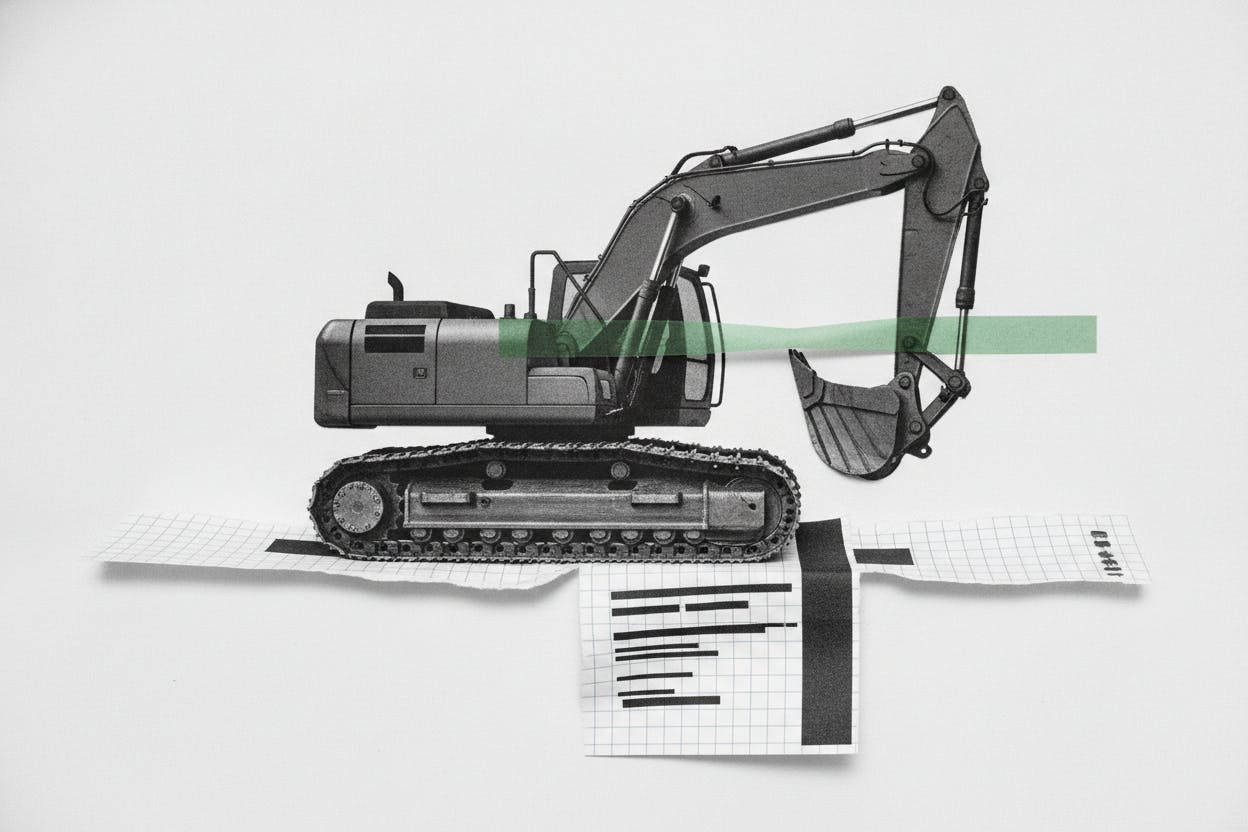
Jefferies' main concern centers on WesTrac, which sells and services Caterpillar machinery for the mining and construction sectors. The bank sees pricing pressure—meaning SGH may have less room to raise prices—and increased competition in that market. As a result, it now expects SGH's earnings before interest and taxes (EBIT) for fiscal 2027 to be roughly flat compared with the prior year, rather than showing growth.
For everyday investors, this is a reminder that even well-established companies can face headwinds. SGH has a diversified portfolio that includes industrial services, media (through its stake in Seven West Media), and other investments, but WesTrac is a key profit driver. When a major segment struggles, it can weigh on the whole company's outlook.
What does a price target mean?
A price target is an analyst's estimate of what a stock should be worth over the next 12 months or so. It's not a guarantee—just a professional opinion based on their research. When a bank lowers its price target, it often signals that they see less upside in the stock than before. However, a price target is not a 'buy' or 'sell' recommendation; it's just one data point to consider.
Jefferies' new target of AU$43.50 is still above SGH's recent trading levels, suggesting the bank sees some value in the stock, but the reduction reflects a more cautious view on near-term earnings.
Why does this matter for your portfolio?
If you own SGH shares, this news is a signal to review your own expectations. The company's earnings growth may be slower than previously anticipated, which could affect its share price performance. For those considering buying, the lower price target suggests that the stock may not rise as much as earlier hoped.
It's also worth noting that analyst downgrades can sometimes create buying opportunities if the market overreacts. But that's a decision each investor must make based on their own research and risk tolerance.
Broader market context
SGH operates in sectors tied to the health of the Australian economy, particularly mining and infrastructure. When commodity prices are strong, demand for heavy equipment tends to rise. But if competition intensifies or customers become more price-sensitive, even a strong market may not translate into higher profits for SGH.
Investors should also keep an eye on other companies in the same space. For example, Air Canada recently cut its profit target due to high fuel costs, showing how external pressures can force companies to revise their outlooks. Similarly, Middleby beat estimates but slashed its 2026 outlook, a pattern that can be seen across industries.
What to watch next
Investors will be watching SGH's next earnings report for any signs that the pricing pressure is easing or worsening. They'll also look at how WesTrac is performing relative to competitors. If the company can hold its margins despite the challenges, it may prove Jefferies' caution to be overly pessimistic.
For now, the message from Jefferies is clear: expect a flat year for SGH's operating profit in fiscal 2027. That's not a disaster, but it's a far cry from the growth investors might have hoped for. As always, it's wise to diversify and not put all your eggs in one basket.