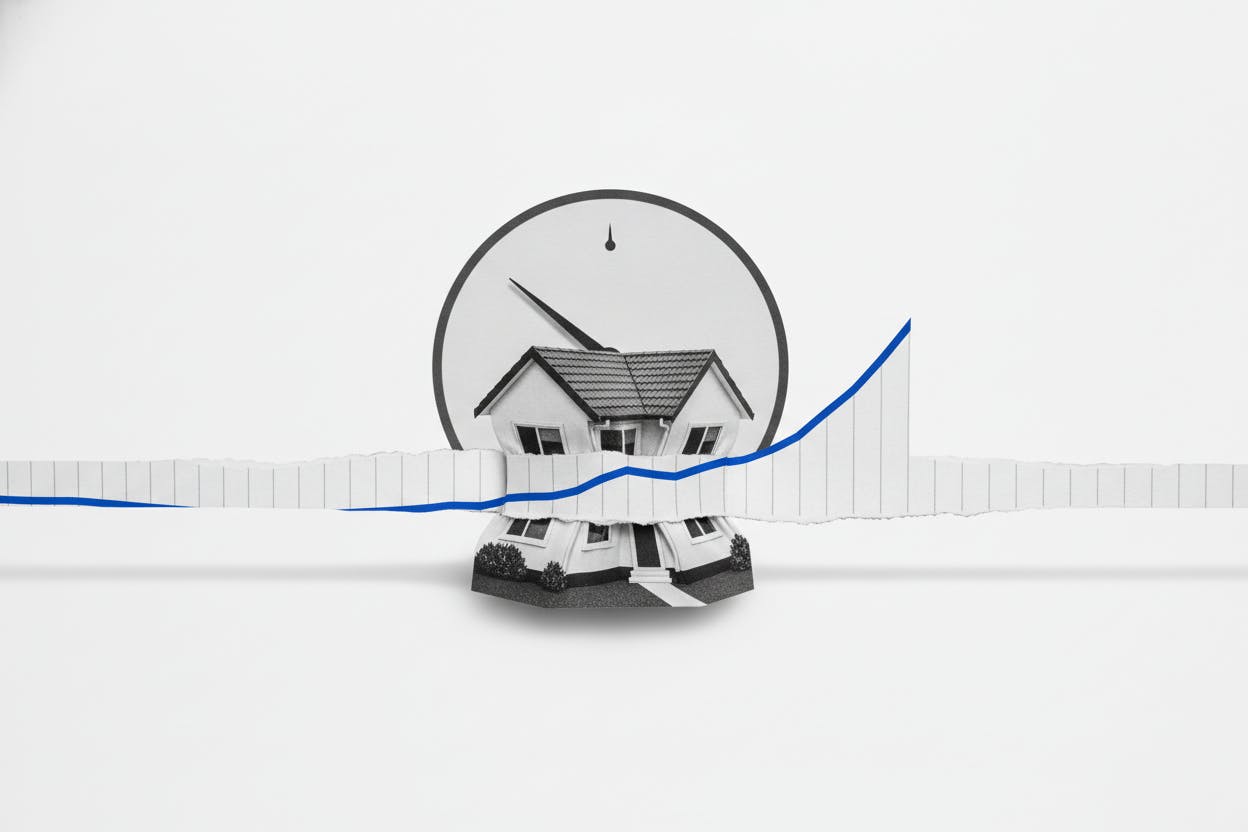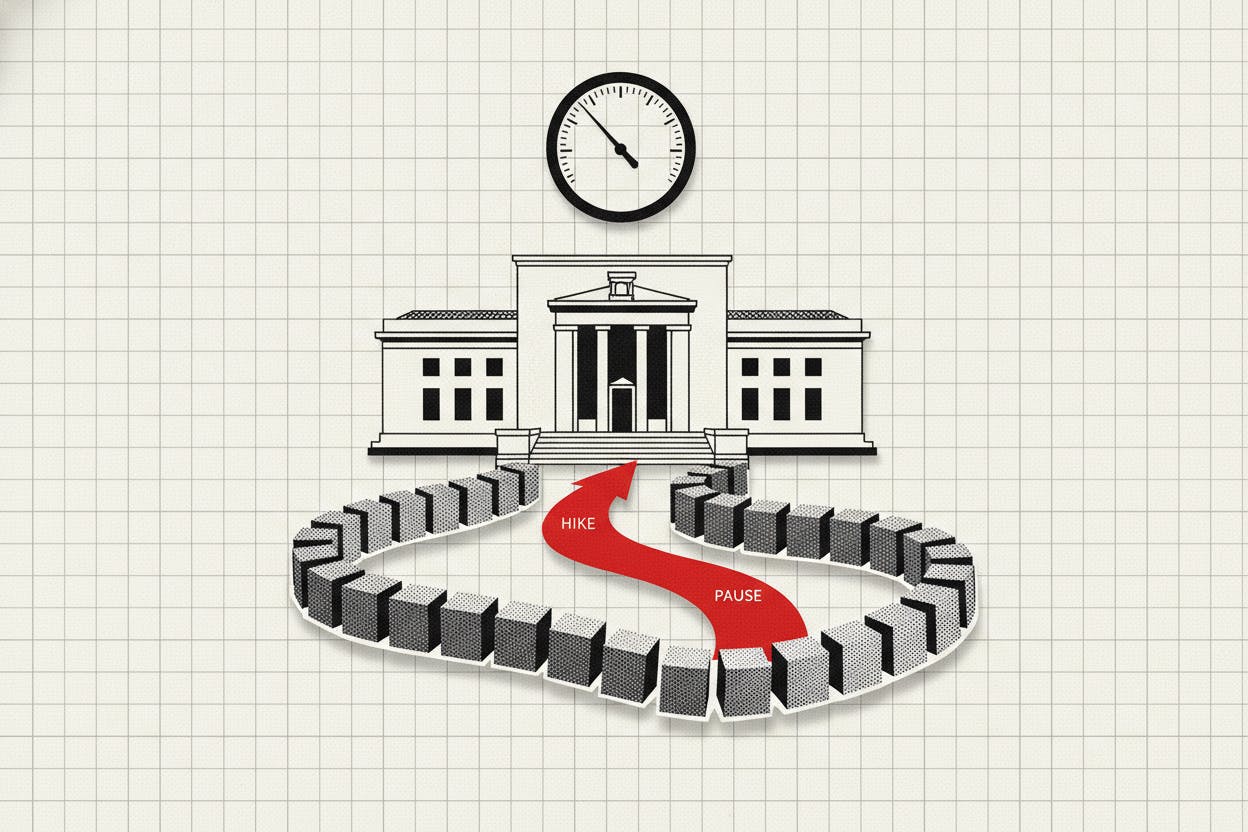
The latest US inflation report brought some relief, but it didn't settle the big question hanging over markets: is the Federal Reserve done raising interest rates, or could it still hike at its September 15-16 meeting?
The Bureau of Labor Statistics said consumer prices rose 3.4% over the past year in July, a slight cooling from the previous month. Core inflation, which strips out volatile food and energy prices, eased to 2.5%. On the surface, that looks like progress in the fight against rising prices.
But not everyone was convinced. Omair Sharif, founder of Inflation Insights, pointed out that the details were less comforting than the headline numbers suggest. A big drop in hotel prices—likely temporary—did much of the cooling, while more underlying categories rose than in June. In other words, the inflation slowdown may be less broad-based than it appears.
Why the Fed's next move is still uncertain
The Federal Reserve has been raising interest rates aggressively over the past year to cool the economy and bring inflation down to its 2% target. Higher rates make borrowing more expensive, which slows spending and investment, but they also put downward pressure on stock prices and can increase the cost of mortgages, car loans, and credit card debt.
With inflation now well off its peak but still above target, the Fed faces a delicate balancing act. Cutting rates too soon could allow inflation to reaccelerate, while keeping them high for too long could tip the economy into recession. That's why every piece of economic data is being scrutinized for clues about the central bank's next move.
Despite the cooler headline numbers, traders still see more than a one-in-three chance of a rate hike at the September meeting. That's a significant probability, and it reflects the market's uncertainty about the Fed's intentions. The central bank has repeatedly said it will be data-dependent, meaning it will adjust its policy based on the latest economic reports.
What this means for investors
For everyday investors, the path of interest rates is crucial. When rates are high, bonds become more attractive relative to stocks, and growth companies—especially in tech—tend to suffer because their future earnings are discounted more heavily. Conversely, if the Fed signals it's done hiking, that could provide a boost to stock markets.
Recent market moves have been influenced by these expectations. For instance, AI infrastructure earnings lifted the Nasdaq even as inflation data came in, showing how tech stocks are sensitive to both earnings and rate expectations. Similarly, the underlying trend in inflation has been a key focus for investors trying to gauge the Fed's next move.
The fact that inflation is cooling but not collapsing means the Fed has room to wait and see. It could choose to hold rates steady at its September meeting, giving itself more time to assess the economy. Or it could hike again if it sees signs that inflation is becoming entrenched.
For now, the market is pricing in a roughly one-in-three chance of a hike, which suggests investors are braced for either outcome. That uncertainty itself can lead to volatility, as traders adjust their positions based on each new data point.
Looking ahead
The next few weeks will be critical. The Fed will have more data to consider, including jobs reports and other inflation measures. The central bank's annual symposium in Jackson Hole, Wyoming, later this month could also provide hints about its thinking.
For investors, the key takeaway is to stay diversified and avoid making big bets based on a single report. Inflation is still above the Fed's target, but it's moving in the right direction. Whether the Fed hikes again or pauses, the long-term fundamentals of the economy remain intact.
As always, it's important to remember that market timing is difficult, and trying to predict the Fed's next move is a fool's errand. Instead, focus on your own financial goals and risk tolerance, and consider how different rate scenarios might affect your portfolio.
In the meantime, keep an eye on the data. The stock market's reaction to inflation data shows how closely tied investor sentiment is to these numbers. And while oil prices and global inflation worries can add to the noise, the core story remains the same: the Fed is trying to navigate a soft landing, and every data point matters.