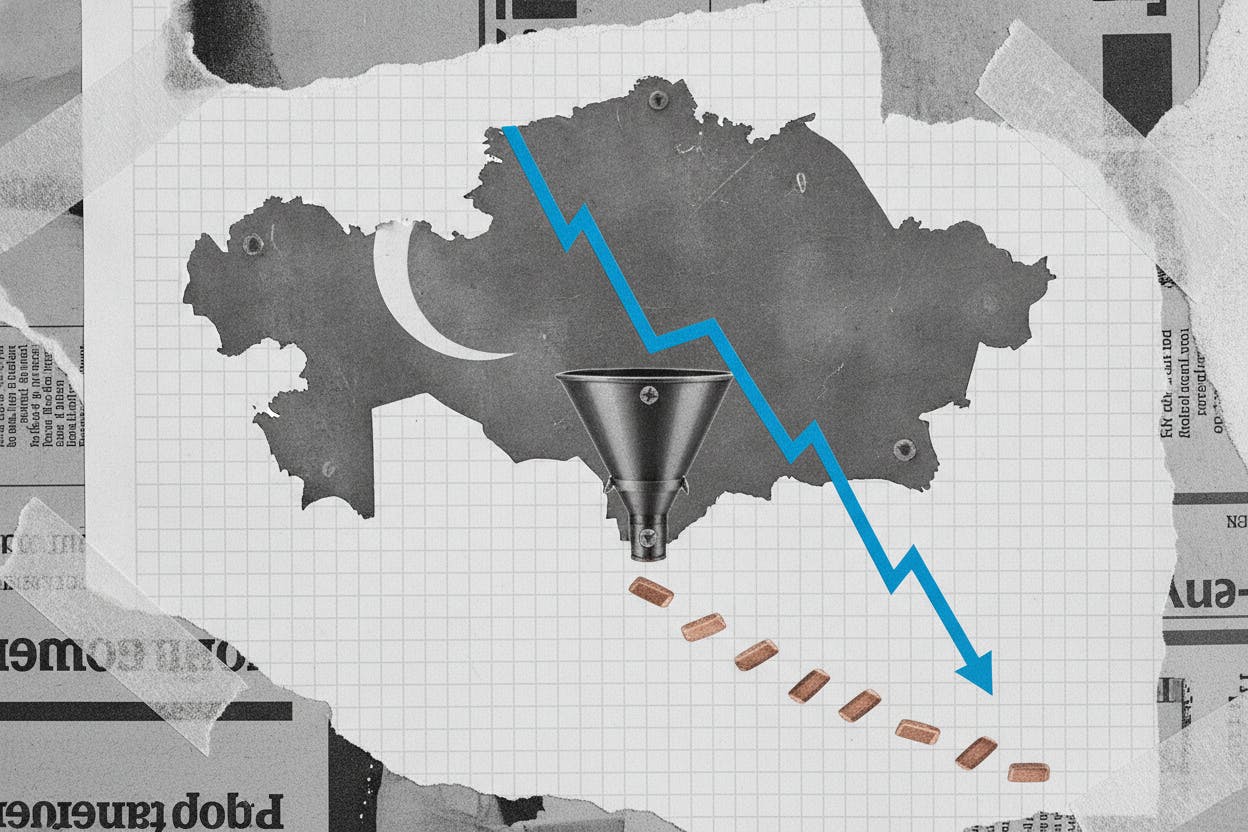
Kazakhstan's refined copper production fell 4.5% year-on-year in the first half of 2023, according to the country's statistics bureau, even as June output rebounded 6.5% month-on-month. The data, released this week, underscores the choppy supply conditions in a country that plays a meaningful role in global metals markets.
Refined copper output reached 39,323 tonnes in June, up from May but still 20.8% lower than a year earlier. That left the January–June total at 231,945 tonnes, down 4.5% from the same period in 2022. The figures come as copper prices have been under pressure from a mix of global economic headwinds, including weaker demand from China and concerns about higher interest rates.
Broader metals weakness
Copper wasn't the only soft spot in Kazakhstan's metals sector. Refined zinc output fell 14.8% in the first half, while alumina and unwrought aluminum dropped 14.1%. Refined gold and silver also slipped, though the statistics bureau did not provide specific percentages for those metals. The broad-based decline suggests operational challenges or reduced demand across multiple commodities.
Kazakhstan is a significant producer of copper, zinc, and other base metals, with much of its output exported to China and other Asian markets. The country's mining sector has faced headwinds in recent years, including aging infrastructure, higher input costs, and logistical bottlenecks. The latest data adds to a picture of supply volatility that can affect global prices, especially when combined with disruptions elsewhere.
What it means for investors
For everyday investors, the Kazakhstan data is a reminder that copper supply remains unpredictable, even as demand from electrification and renewable energy projects is expected to grow over the long term. Copper is a key component in wiring, electric vehicles, and solar panels, making it a bellwether for the green energy transition.
However, short-term price moves are often driven by macroeconomic factors. Copper prices have been sensitive to inflation fears and interest rate expectations, as well as the health of the Chinese economy, which consumes about half of the world's copper. China's recent decision to hold key lending rates steady has done little to boost sentiment, as investors look for more stimulus to revive growth.
The June rebound in Kazakhstan's output, while modest, could help ease some supply concerns in the near term. But the year-on-year decline suggests that production is still struggling to keep pace with prior levels. Investors should watch for further updates from other major copper producers, such as Chile and Peru, to gauge whether the trend is isolated or part of a broader pattern.
For those with exposure to mining stocks or copper-focused exchange-traded funds (ETFs), the data reinforces the importance of diversification. Supply disruptions can create price spikes, but they can also hurt the earnings of mining companies if they are unable to maintain output. Recent moves by major miners like BHP have shown how output cuts can weigh on stock prices.
Looking ahead
Market participants will be watching for Kazakhstan's full-year production figures, as well as any commentary from the country's largest mining companies, such as Kaz Minerals and KAZ Minerals (now part of the Glencore-backed Nova Resources). The second half of the year could see a recovery if operational issues are resolved, but the first-half data suggests that may not be a given.
In the broader context, copper prices have been volatile in 2023, trading between roughly $3.60 and $4.20 per pound on the London Metal Exchange. The Kazakhstan data is unlikely to trigger a major price move on its own, but it adds to the narrative of a market that is finely balanced between supply constraints and uncertain demand.
For now, investors should keep an eye on upcoming economic data from China and the US, as well as any further supply disruptions, to gauge where copper prices may head next.



