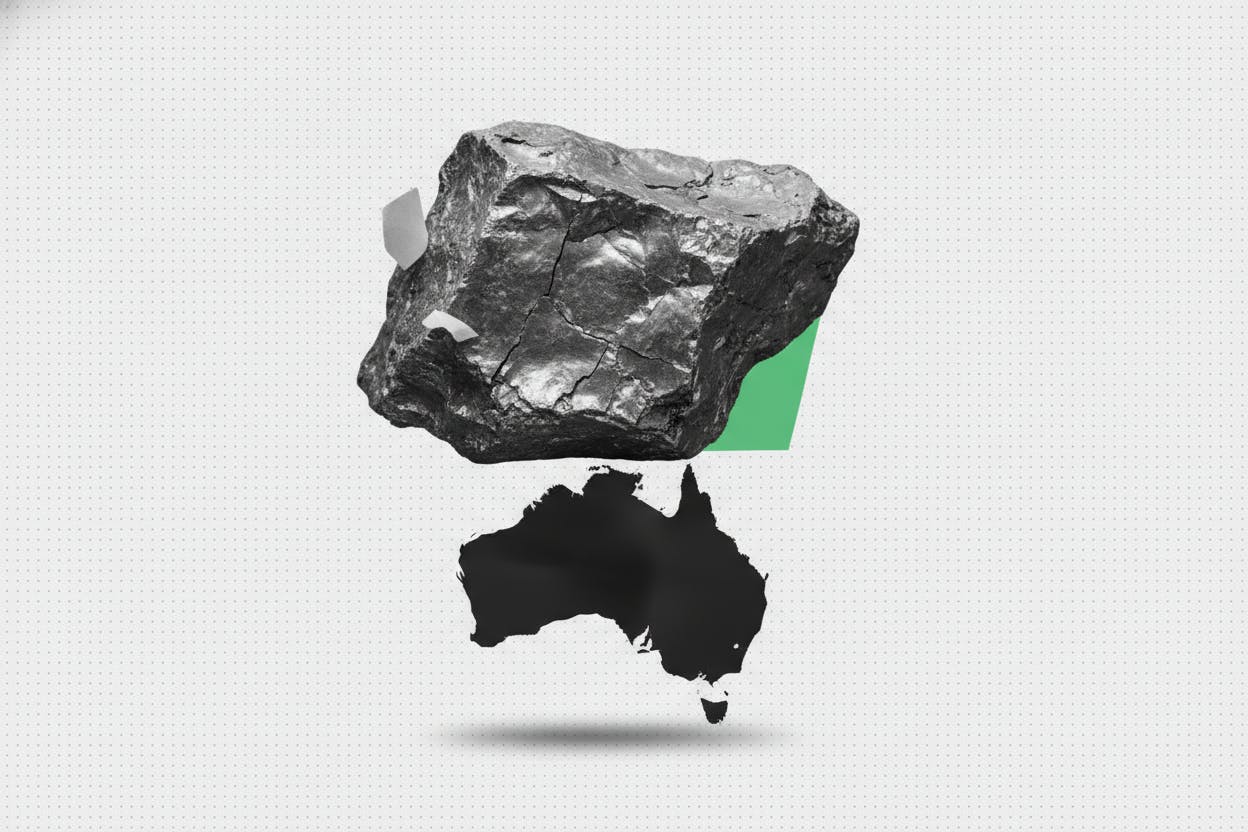
The S&P/ASX 200 ended essentially flat at 8,840.40 on Tuesday, but the headline masked a split beneath the surface: mining stocks weakened after BHP, the country's largest miner, slid more than 2%.
BHP said it produced 1.95 million tonnes of copper in fiscal 2026 and guided fiscal 2027 output to a range of 1.65 million to 1.8 million tonnes. For miners, production guidance is a critical number because analysts build it directly into revenue forecasts. Fewer tonnes sold typically means fewer dollars earned, and that arithmetic can trigger quick earnings downgrades.
Why a guidance cut matters more than it sounds
When a miner lowers its output forecast, the impact on profit is often larger than the percentage drop in volume. Large mining operations carry substantial fixed costs—staffing, equipment maintenance, power contracts—that do not shrink in lockstep with production. So a modest reduction in output can translate into a disproportionately larger hit to earnings per share.
That company-specific math can outweigh other influences on a given day. Even though offshore sentiment was supportive, with Wall Street trading in a steady range, the ASX 200 struggled to gain ground because BHP's weight in the index is so large. The materials sector as a whole felt the pressure, as investors marked down expected sales and profits for the bellwether miner and its peers.
This is not the first time BHP's copper operations have drawn attention. Earlier this year, BHP's copper output dip and a strike risk at Port Hedland weighed on Australian stocks, highlighting how operational hiccups at the country's biggest companies can ripple through the entire market.
What it means for everyday investors
For investors in Australian equities, BHP's guidance update is a reminder that index-level performance can sometimes be a single-stock story. When a heavyweight like BHP moves, it can pull the entire S&P/ASX 200 with it, even if the broader global backdrop is calm.
Copper is a key industrial metal, used extensively in construction, electronics, and renewable energy infrastructure. Demand for copper is closely tied to global economic growth, and any shift in supply expectations can affect prices and, in turn, the earnings of mining companies. BHP's lower output guidance does not necessarily signal a broader downturn in copper demand, but it does mean the company itself will have less metal to sell, which directly impacts its revenue and profit.
Investors should also keep an eye on cost trends. As noted, fixed costs do not disappear when production dips, so margins can compress. That is why guidance cuts often lead to earnings downgrades from analysts, which can put further pressure on the stock price.
Broader market context
The flat close on the ASX 200 came amid a mixed session for global markets. While US equities held steady, other regional factors were also in play. For instance, Australian spending cooled in June as shoppers stuck to essentials, a sign that consumer caution may be weighing on the domestic economy. That backdrop makes the performance of heavyweight sectors like mining even more important for the overall market.
Meanwhile, other commodity-related stories were making headlines. AIC Mines' Eloise copper costs rose on lower grades and higher diesel, illustrating that cost pressures are a recurring theme across the Australian mining sector, not just at BHP.
Looking ahead, investors will be watching BHP's next quarterly update for any signs of whether the lower guidance is a one-off issue or part of a longer-term trend. They will also monitor copper prices, which are influenced by global demand from China, the world's largest consumer of the metal, and by the pace of the energy transition, which is expected to boost copper demand for electric vehicles and renewable energy infrastructure.
For now, the message from the market is clear: when a giant like BHP speaks, the whole index listens. Even on a day when global markets are steady, a single company's outlook can determine whether the local market ends in the green or the red.



