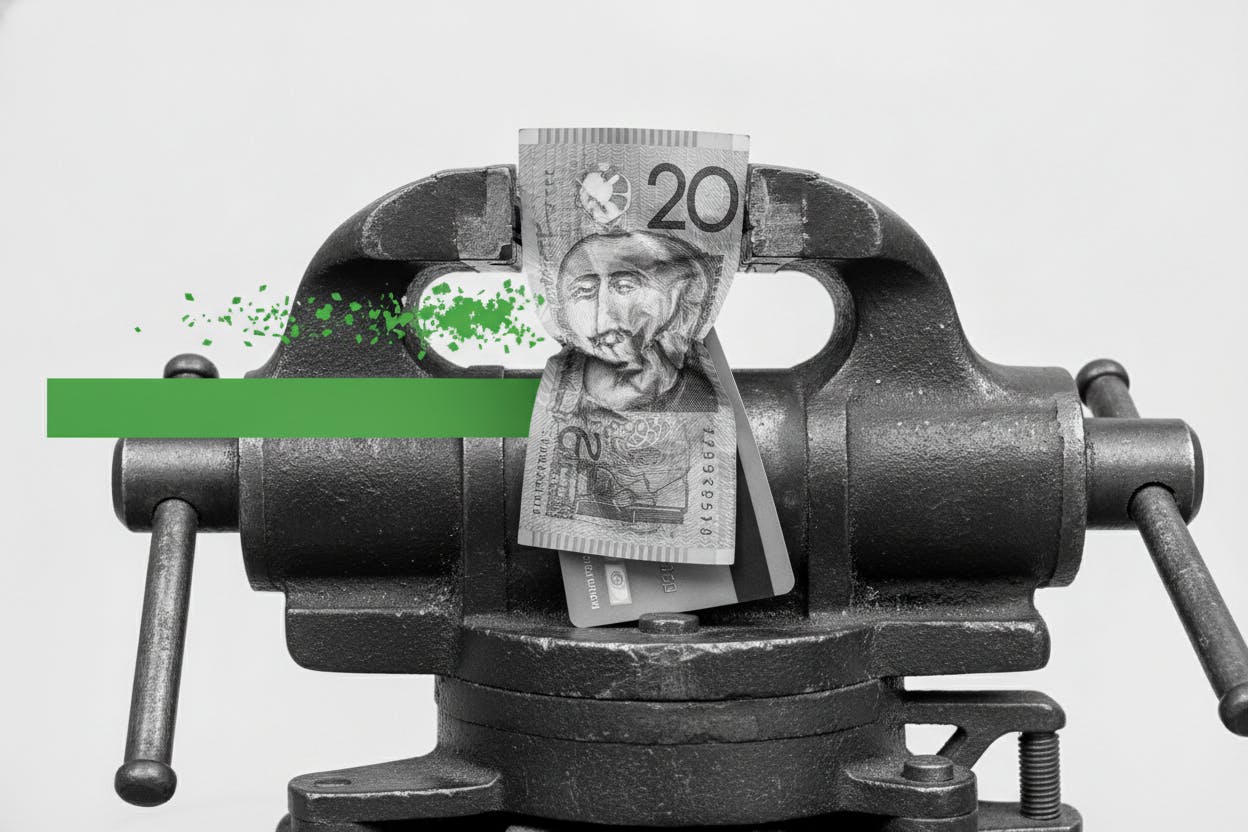
Australian consumers kept spending in June, but the pace is clearly slowing. Commonwealth Bank of Australia's (CommBank) household spending tracker rose just 0.3% on the month, with the biggest gains in essentials like utilities and education, while more discretionary categories—retail, hospitality, and recreation—all lost steam.
The data, released by Australia's largest bank, shows that end-of-financial-year sales did less to boost spending than they did a year ago. That fits a broader pattern: inflation and still-high interest rates are squeezing household budgets, and shoppers are increasingly sticking to what they need rather than what they want.
Where the spending went
Spending increased in 10 of the 12 categories tracked by CommBank. Utilities and education led the gains, reflecting the non-negotiable nature of those bills. But the more optional areas tell a different story. Retail spending grew just 0.2% in June, down from 0.6% in May. Hospitality managed only 0.1% growth, a sharp drop from 0.9% the month before. Recreation fell even further, from 2.3% in May to just 0.2% in June.
That pattern—essentials holding up, discretionary fading—is exactly what CommBank's economists expected. They see households trimming "nice-to-haves" over the rest of the year as cost-of-living pressures persist.
The slowdown isn't hitting everyone equally. Regional areas, especially regional Queensland and Western Australia, held up better than the big cities. The weakest spots were metro New South Wales, the ACT, and metro Victoria. One standout group: Australians aged 65 and over posted the strongest annual spending growth, at more than 10%.
What it means for investors
For investors, the June data is a warning signal for consumer-facing companies. Overall spending is still inching up, but the categories that drive profits for many listed retailers and hospitality operators are the ones fading. When discretionary spending slows, companies often have to offer more promotions to protect sales volumes. That's especially true when seasonal events like end-of-financial-year sales don't deliver the same boost they did last year.
But discounts eat into gross margins. And fixed costs—store rents, staffing, logistics—don't fall quickly. That means profits can drop faster than sales. The setup could drag down earnings expectations for Australian retailers, leisure operators, and hospitality businesses heading into the next reporting season. The most pressure is likely where CommBank saw the weakest demand: metro New South Wales, the ACT, and metro Victoria.
This cautious consumer backdrop echoes what we've seen in other markets. In the US, small business optimism edged up in June, but high rates kept hiring and spending in check. And US back-to-school spending is forecast to drop as families tighten budgets. The message is consistent: higher borrowing costs are filtering through to everyday spending decisions.
CommBank's tracker is closely watched because it captures real-time transaction data from millions of customers. It gives a more immediate read on consumer health than official retail sales figures, which come with a lag. The June reading suggests the Reserve Bank of Australia's rate hikes are still working their way through the economy, and that the consumer is becoming more cautious—a trend that could persist for the rest of the year.
For investors, the key takeaway is that the easy spending environment of the past few years is fading. Companies that rely on discretionary spending will need to adapt. Those with strong brands, loyal customers, and cost discipline may weather the slowdown better than others. But the data from CommBank makes one thing clear: Australian shoppers are watching their wallets, and that's a trend worth watching closely.



