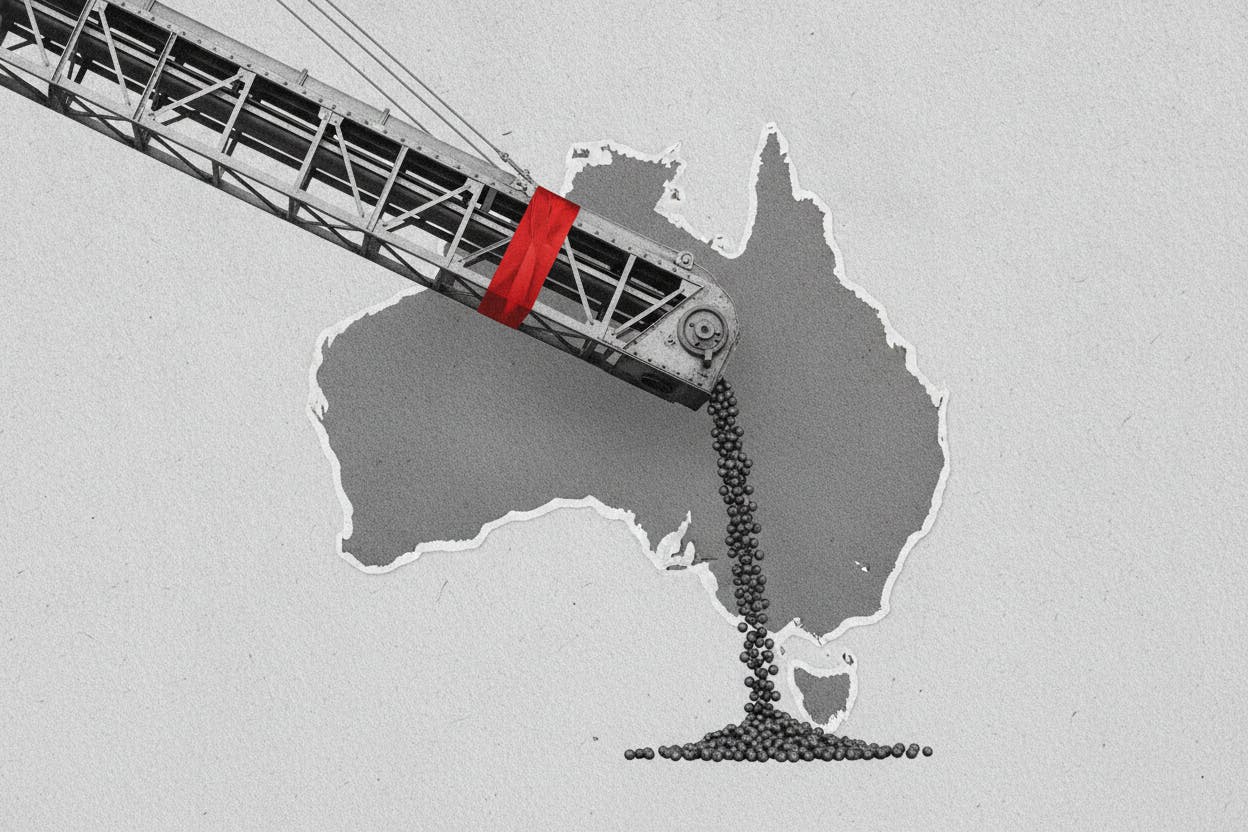
Australian stocks edged lower on Tuesday as mining giant BHP Group reported a slip in quarterly copper production and faced a potential strike at its critical Port Hedland iron ore export hub. The S&P/ASX 200 index fell 0.1%, with losses in mining and energy shares outweighing gains in the banking sector.
BHP's Copper Output Dips 5%
BHP, the world's largest listed miner, said copper production fell 5% in the latest quarter, primarily due to lower contributions from its two Chilean operations, Escondida and Pampa Norte. Escondida is the world's largest copper mine, and any output changes there can have a noticeable impact on global copper supply. However, Reuters noted that the quarter's copper and iron ore results were broadly in line with Visible Alpha estimates, suggesting the production miss was not a major surprise to analysts.
Copper is a key metal for BHP, used extensively in electrical wiring, construction, and renewable energy infrastructure. A 5% drop in output can affect revenue, but because it was largely expected, investors quickly shifted their attention to a more immediate concern: a possible strike at Port Hedland.
Port Hedland Strike Threat Looms
Port Hedland, in Western Australia, is one of the world's largest iron ore export ports and a vital cog in BHP's operations. Iron ore is where BHP makes a significant portion of its profit, and any disruption to shipping can have an outsized impact on the company's near-term financials. Workers at the port are slated to walk off the job later today, raising the risk of loading delays and shipment deferrals.
If a strike goes ahead and loadings slow, some iron ore shipments could be pushed into the next reporting period. That can dent near-term revenue and cash flow, even if underlying demand and prices remain unchanged. For a company like BHP, which carries high fixed costs, a drop in volumes means those costs get spread over fewer tons, squeezing profit margins more than the headline disruption might suggest.
Broader Market Impact
The S&P/ASX 200 is heavily weighted toward resource companies, so operational hiccups at a single giant like BHP can ripple through the entire index. On Tuesday, mining and energy stocks dragged the benchmark lower, while bank shares provided some support. This pattern is familiar to Australian investors: when commodity prices or production issues hit the big miners, the index often feels the pain.
BHP's iron ore output has been a bright spot recently. In a previous quarter, the company posted record iron ore production despite China's buying restrictions, as reported in BHP Posts Record Iron Ore Output Despite China's Buying Restrictions. That resilience underscores the importance of Port Hedland's smooth operation to maintaining that momentum.
What It Means for Investors
For everyday investors, the key takeaway is that today's copper slip is a manageable data point, not a red flag. The bigger variable is the Port Hedland strike risk, which is about timing rather than a fundamental change in the iron ore market. If shipments are delayed, BHP's next sales and cash-flow update could look weaker, even if the underlying commodity outlook hasn't shifted.
This uncertainty can weigh on BHP's share price and, by extension, the resources-heavy S&P/ASX 200. Investors should watch for updates on the strike situation and any guidance from BHP on how it plans to manage potential disruptions. The broader market backdrop also matters: global factors like inflation data and geopolitical risks, such as those affecting energy stocks in the Red Sea, can amplify or offset local news.
For context, other miners have faced similar operational challenges. For instance, AIC Mines' Eloise Copper Costs Rise on Lower Grades and Higher Diesel shows how cost pressures can emerge from production issues. Meanwhile, Ora Banda Mining Hits Record Gold Output, Cash Pile Grows to AU$468M highlights that strong production can boost cash positions, the opposite of what BHP faces if shipments are delayed.
Looking Ahead
BHP's quarterly results, while broadly in line with estimates, remind investors that even the largest miners are not immune to operational hiccups. The copper output dip is a minor blip, but the Port Hedland strike threat adds a layer of near-term uncertainty. For the S&P/ASX 200, the index's heavy reliance on resource stocks means that any disruption at BHP can have an outsized impact, making it a stock to watch closely in the coming days.
As always, investors should focus on the fundamentals: commodity demand, cost management, and the company's ability to navigate operational challenges. The strike risk is a short-term issue, but it underscores the importance of diversification in a portfolio heavily exposed to a single sector or stock.



