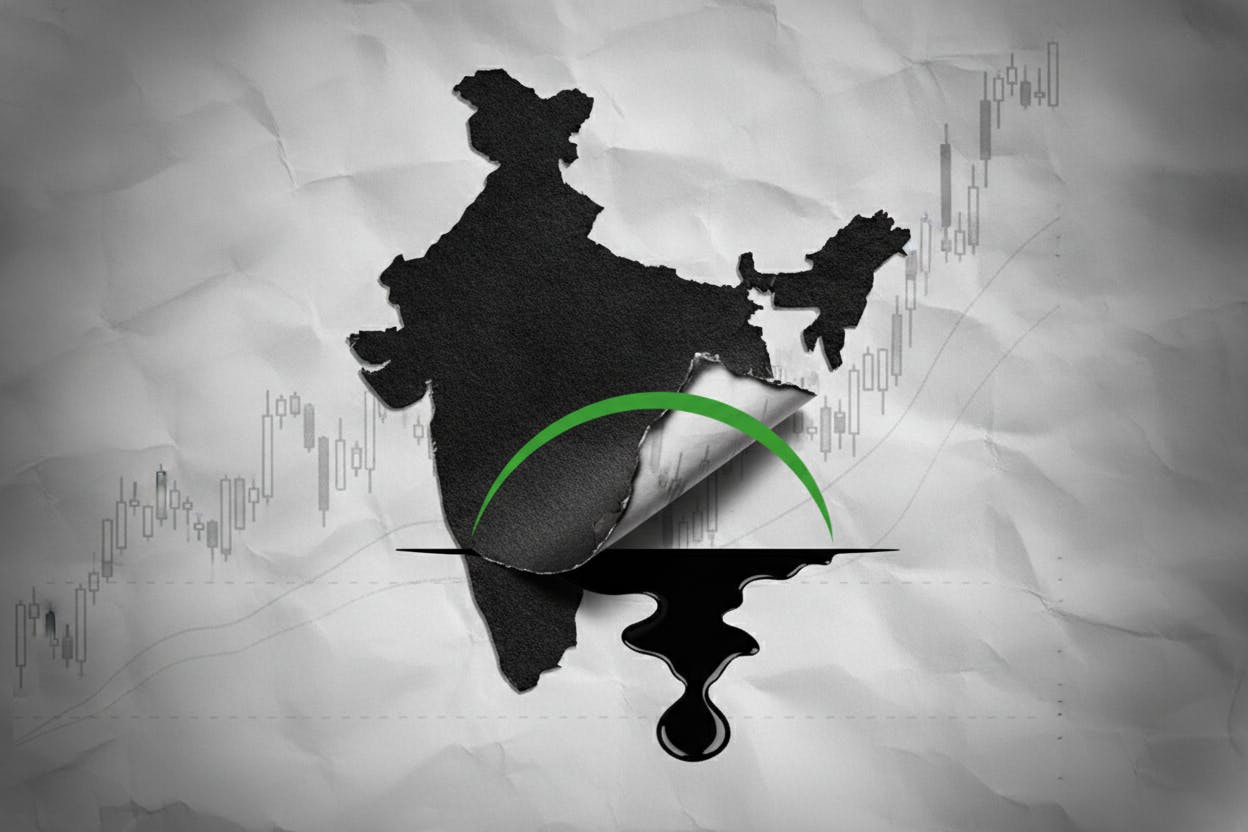
Indian stocks are set for a muted open on Thursday, with the benchmark Nifty 50 expected to start near its previous close of 24,078.5, according to GIFT Nifty futures. However, a calm-looking start masks a more challenging backdrop as Brent crude oil extended its four-session climb above $85 a barrel, keeping traders on edge.
The rise in oil prices comes as investors monitor fresh US-Iran tensions in the Middle East, a region critical for global oil supply. For India, which imports most of its crude, higher oil prices quickly translate into increased fuel and transport costs, potentially pushing inflation expectations higher and reducing the likelihood of near-term interest rate cuts.
Oil Prices and the Inflation-Rate Nexus
Brent crude's move above $85 is not just an energy story—it has direct implications for Indian monetary policy. When oil prices rise on supply-risk headlines, markets often begin pricing in a more stubborn inflation outlook. This can push up yields on Indian government bonds (meaning bond prices fall) and raise the “discount rate” investors use to value future company profits.
Rate-sensitive sectors like banks, real estate, and other leveraged businesses tend to feel that pressure first, even if the broader index opens unchanged. The recent cooling of wholesale inflation had offered some relief, but the renewed oil price spike could offset those gains.
Windfall Taxes Add Pressure on Energy Stocks
Adding to the complexity, the Indian government raised windfall taxes on exports of diesel and aviation turbine fuel. This move puts parts of the oil and gas sector in focus, as higher taxes can squeeze margins for refiners and exporters. While the policy is aimed at capturing some of the profits from higher global energy prices, it also creates uncertainty for companies in the sector.
This development comes amid broader geopolitical risks, including threats to oil shipping routes in the Red Sea, which have already disrupted trade flows. The combination of higher crude prices and increased taxation could weigh on energy stocks even as the rest of the market opens flat.
Earnings Season: Wipro and Tech Mahindra in Focus
On the corporate front, investors are watching earnings reports from Wipro and Tech Mahindra, two major IT services companies. Their results will provide clues about demand for technology services, particularly in key markets like the US and Europe. The IT sector has been under pressure from global economic uncertainty, and any signs of weakness could drag on the broader market.
Tech stocks have been volatile recently, with global chip stocks pausing ahead of TSMC's earnings and South Korea's KOSPI plunging 7% on chip sector woes. Indian IT firms, while not directly tied to semiconductors, are sensitive to the same macroeconomic headwinds.
What It Means for Investors
For everyday investors, the flat open is a reminder that headline indices can be deceptive. While the Nifty 50 may appear stable, underlying forces—rising oil prices, geopolitical risks, and policy changes—are creating crosscurrents beneath the surface.
Higher oil prices can act as a tax on the economy, raising costs for businesses and consumers alike. If inflation expectations rise, the Reserve Bank of India (RBI) may be forced to keep interest rates higher for longer, which would be a headwind for stocks, especially in rate-sensitive sectors like banking and real estate.
Investors should also watch the bond market closely. Rising yields could make fixed-income investments more attractive relative to equities, potentially triggering a rotation out of stocks. The Bank of Canada's recent decision to hold rates steady shows that central banks globally are treading carefully, but India's situation is unique due to its oil import dependence.
Finally, the earnings from Wipro and Tech Mahindra will be key. If they disappoint, it could signal broader weakness in the IT sector, which has been a major driver of Indian stock market gains in recent years. Conversely, strong results could provide a much-needed boost to sentiment.
In summary, the flat open is a pause, not a signal. The real story lies in the interplay between oil prices, inflation, and corporate earnings—factors that will determine the market's direction in the weeks ahead.



