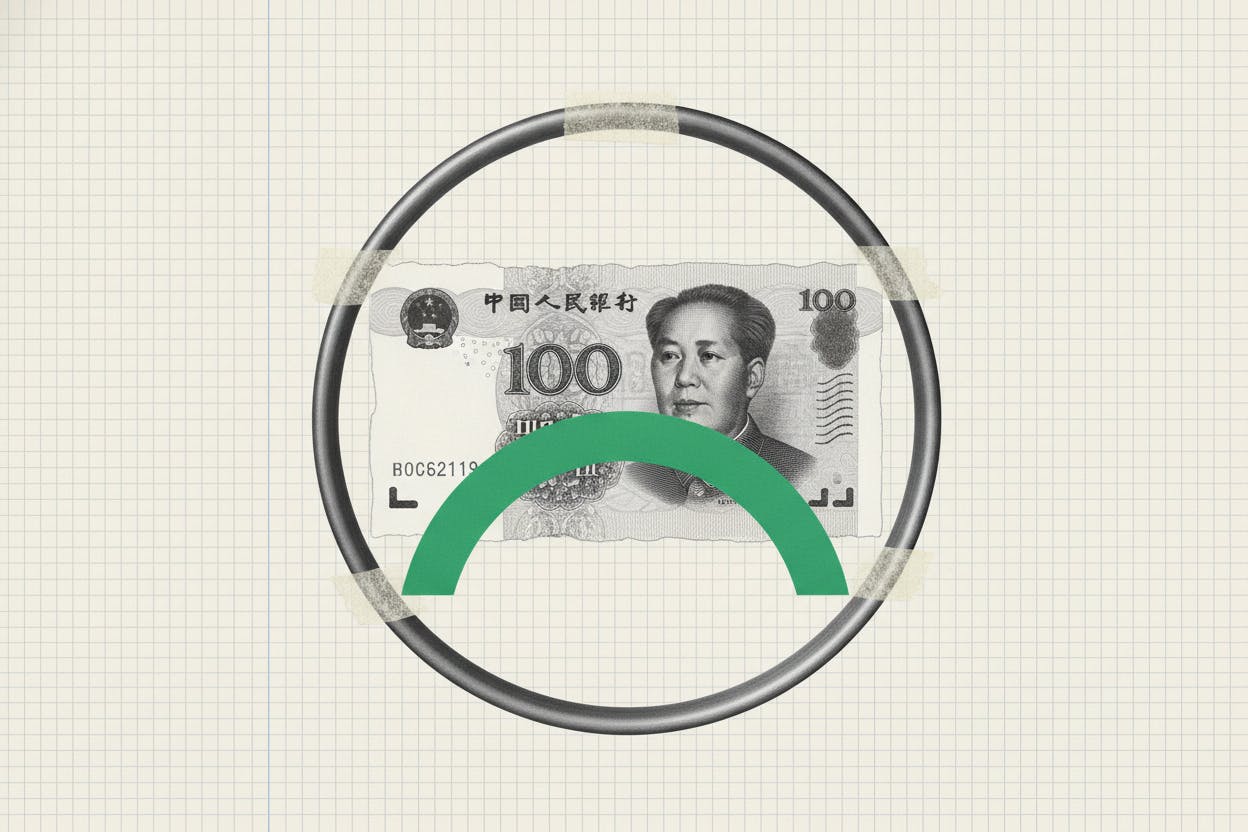
The Chinese yuan gave back some of its recent gains on Thursday, retreating from a one-month high after the People's Bank of China (PBOC) set a daily reference rate that was much weaker than traders had anticipated. The move is the latest sign that Beijing is not ready to let the yuan appreciate too quickly, even as the broader market has been betting on a stronger currency.
How China's Managed Currency System Works
China operates what is known as a managed float currency regime. Every morning, the PBOC sets a so-called midpoint, or central parity rate, for the yuan against the U.S. dollar. The onshore yuan is then allowed to trade within a 2% band on either side of that level. This system gives the central bank a powerful tool to guide the currency's direction without intervening directly in the market every day.
On Thursday, the PBOC set the midpoint at 6.7909 per dollar, only slightly stronger than the previous day's level. But that was far weaker than the market estimate of 6.7577, as tracked by Reuters. The gap of 332 pips — the difference between the official midpoint and the market consensus — was the largest so-called weaker-than-expected signal since June 23. In plain terms, the central bank effectively told the market: we are not ready for the yuan to rise this much, this fast.
What Drove the Yuan Higher in the First Place?
The yuan had been climbing in recent days, hitting a one-month high, as the U.S. dollar weakened broadly. The greenback came under pressure after cooler-than-expected U.S. inflation data raised hopes that the Federal Reserve might slow its pace of interest rate hikes. A weaker dollar typically lifts emerging-market currencies like the yuan. For more on the dollar's recent moves, see our article Dollar Dips on Cooler CPI, Oil Spike Above $85 Keeps Fed Hawks Alert.
But the PBOC's signal on Thursday suggests that Chinese policymakers are not comfortable with a rapid appreciation. A stronger yuan makes Chinese exports more expensive for foreign buyers, which could hurt the country's already slowing economy. At the same time, a weaker yuan can help support growth by making exports cheaper, but it also risks fueling capital outflows and inflation.
What It Means for Investors
For everyday investors, the PBOC's move is a reminder that currency markets are not always driven by pure supply and demand. In China, the central bank has a heavy hand, and its signals can move markets quickly. If you hold Chinese stocks or funds that invest in China, a weaker yuan can reduce the value of your returns when converted back to dollars or other currencies. Conversely, a stable or gradually strengthening yuan can be a positive sign for foreign investors, as it suggests confidence in the economy.
The PBOC's cautious stance also has implications for broader Asian markets. A weaker yuan can put pressure on other Asian currencies, as countries like South Korea and Taiwan compete with China in exports. For example, the recent sharp sell-off in South Korea's stock market — as covered in South Korea's KOSPI Plunges 7% as Chip Stocks Tumble and Central Bank Hikes Rates — was partly driven by concerns over global trade and currency dynamics.
What to Watch Next
Investors will be watching the PBOC's daily midpoint settings closely in the coming days. If the gap between the official midpoint and market estimates narrows, it could signal that the central bank is becoming more comfortable with yuan strength. But if the gap remains wide, it suggests Beijing is determined to keep the currency in check.
Another key factor is the trajectory of the U.S. dollar. If the dollar continues to weaken on expectations of a Fed pause, the yuan could face upward pressure, and the PBOC may have to step in more forcefully. On the other hand, if the dollar rebounds, the yuan could weaken naturally, giving the PBOC less reason to intervene.
For now, the message from Beijing is clear: the yuan's climb will be managed, not allowed to run free. Investors should factor that into their expectations for Chinese assets and broader emerging-market portfolios.



