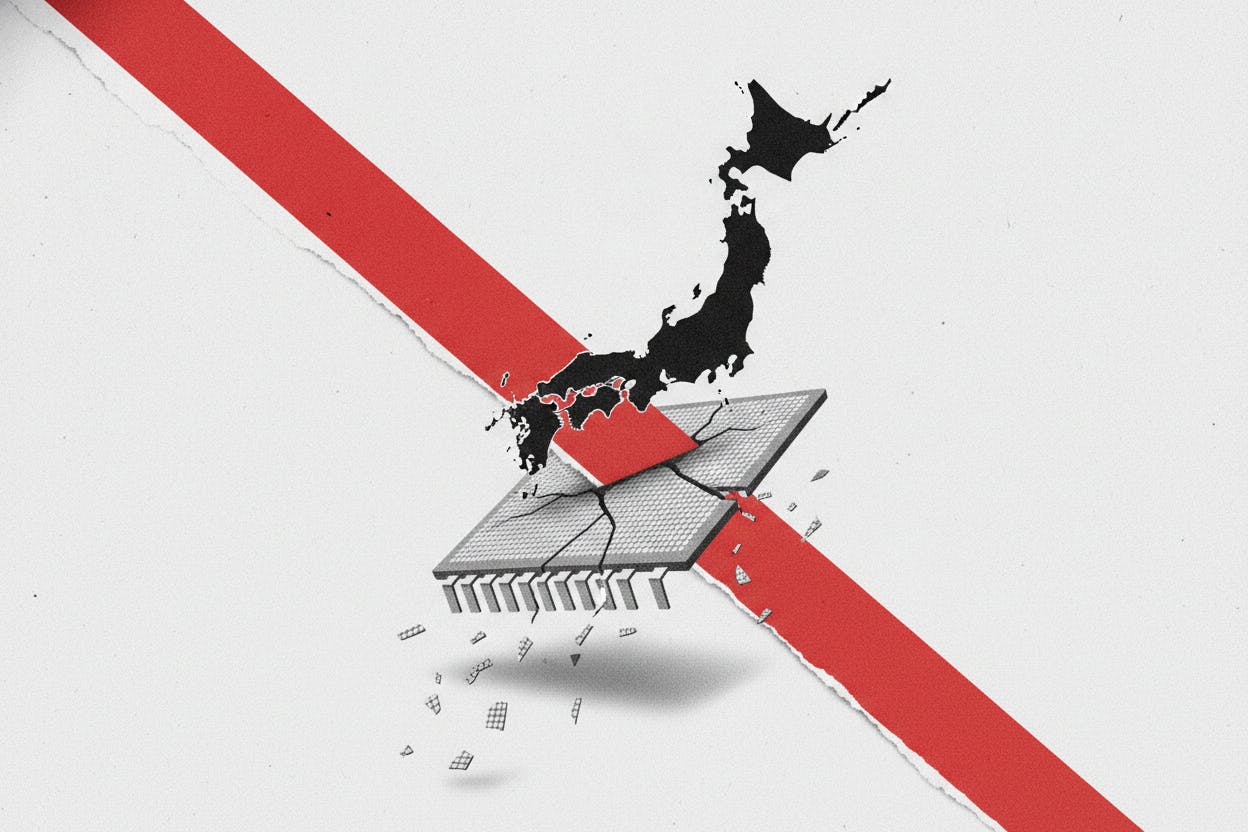
Japan's Nikkei 225 index fell 2.8% on Thursday, closing at 66,835.54, as a broad sell-off in technology and chip-related stocks combined with rising Middle East tensions to overwhelm positive earnings news from Taiwan Semiconductor Manufacturing Co (TSMC).
What Happened
The decline was led by sharp drops in semiconductor-linked names. Memory-chip maker Kioxia plunged 15%, SoftBank Group fell 6.3%, and chip-testing equipment firm Advantest dropped 5.9%. The moves came despite TSMC, the world's largest contract chipmaker, reporting record quarterly profit and raising its full-year US-dollar revenue growth forecast to slightly above 40%. The company also signaled it would increase spending on new capacity over the next three years.
The disconnect between TSMC's strong results and the Nikkei's slide suggests the sell-off was less about earnings fundamentals and more about a repositioning by investors. Traders appeared to take profits in high-flying tech stocks while also reacting to fresh geopolitical risks in the Middle East, which pushed oil prices higher and fueled a flight to safer assets.
Broader Context
The Nikkei's drop comes amid a volatile period for global markets. European stocks have stalled as AI optimism clashes with oil price jitters, and gold has slipped as a surge in crude keeps the possibility of a Federal Reserve rate hike on the table for December. In Asia, Chinese chip stocks also slid recently, while Hong Kong tech shares jumped on an Alibaba-Apple AI deal, highlighting the uneven nature of the current market environment.
TSMC's results were widely anticipated, but the market's reaction in Japan shows that even strong earnings can be overshadowed by macro concerns. The chip sector has been a key driver of the Nikkei's rally this year, making it vulnerable to profit-taking when sentiment shifts.
What It Means for Investors
For everyday investors, the Nikkei's decline is a reminder that stock prices don't always move in lockstep with company earnings. Geopolitical events, sector rotations, and shifts in investor sentiment can cause sharp moves even when individual companies report good news.
The sell-off in chip stocks, despite TSMC's upbeat outlook, suggests that investors may be reassessing valuations in the tech sector after a strong run. It also highlights the importance of diversification—having exposure to different regions and sectors can help cushion the impact of a single market's downturn.
Looking ahead, investors will be watching for further developments in the Middle East and any signs of escalation that could push oil prices higher. They will also monitor whether the Nikkei's decline is a one-off event or the start of a broader pullback in Japanese equities. For now, the market's focus remains on the interplay between strong corporate earnings and external risks.