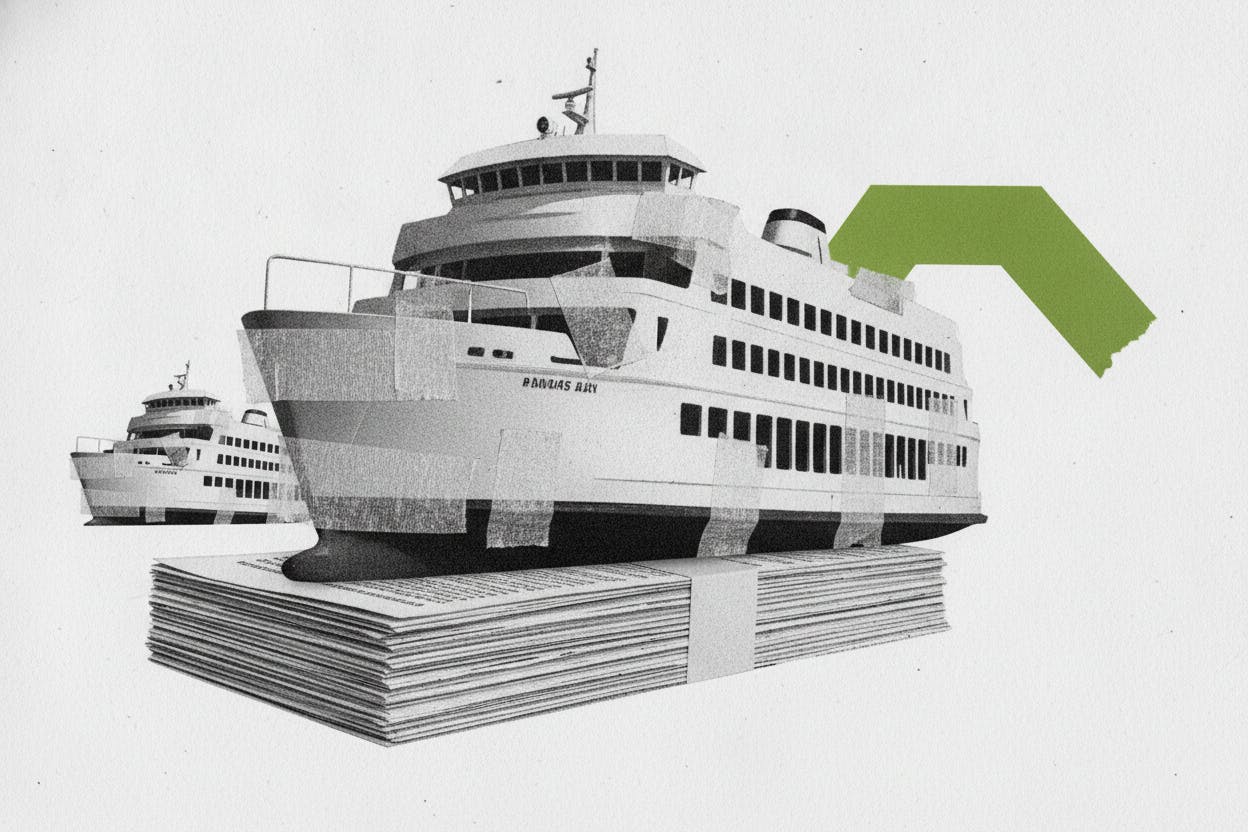
Australian public transport operator Kelsian Group is making a big bet on Auckland's ferry network. The company has won a new contract with Auckland Transport worth NZ$101 million (about AU$93 million) over seven years, and it plans to buy its joint-bid partner, Belaire Ferries, for NZ$8.9 million.
The contract is set to begin on July 1st, 2027, giving Kelsian time to integrate the acquisition and prepare operations. The deal signals a long-term commitment to New Zealand's largest city, where ferry services are a key part of the public transport mix.
What Kelsian Is Getting
Kelsian already runs bus and ferry services in Australia and the UK, and this move deepens its presence in New Zealand. The Auckland Transport contract covers ferry services across the city's harbors, a network that carries millions of passengers each year. The NZ$101 million price tag works out to roughly NZ$14.4 million per year, though exact service levels and routes will be finalized closer to the start date.
The acquisition of Belaire Ferries, a smaller operator that partnered with Kelsian on the bid, is a separate but related move. For NZ$8.9 million, Kelsian gains Belaire's vessels, crew, and local expertise. Buying out a joint-bid partner is a common strategy in public transport tenders—it simplifies operations and ensures the winning bidder has full control over the contract.
Kelsian's decision to double down on Auckland comes as the city invests in upgrading its ferry infrastructure. Auckland Transport has been working to modernize its fleet and terminals, and private operators like Kelsian are key to delivering those services.
What It Means for Investors
For Kelsian shareholders, this deal represents a steady, long-term revenue stream. Public transport contracts are typically low-risk because they are backed by government funding. The seven-year term provides visibility on cash flows, and the acquisition of Belaire removes a potential competitor from the picture.
However, investors should note that the contract doesn't start for more than two years. That means Kelsian will need to fund the Belaire purchase and any upfront capital costs without immediate revenue from the new deal. The company's balance sheet will be a key factor to watch.
Kelsian's move also highlights a broader trend in public transport: consolidation. Larger operators are buying up smaller players to win bigger contracts, a pattern seen in bus and rail markets globally. For everyday investors, this type of deal is a reminder that infrastructure and transport stocks can offer steady returns, but they are sensitive to government budgets and regulatory changes.
In the context of Kelsian's broader strategy, the Auckland contract fits alongside its existing operations in Australia and the UK. The company has been expanding its footprint in recent years, and this deal adds a new geography without straying far from its core business.
Looking Ahead
The next milestone for Kelsian will be regulatory approval for the Belaire acquisition, which is expected to close in the coming months. After that, the company will focus on preparing for the 2027 start date, including hiring staff, maintaining vessels, and coordinating with Auckland Transport.
For Auckland commuters, the change won't be immediate—the current ferry contracts run until mid-2027. But the deal signals that Kelsian is here for the long haul, and passengers can expect continuity of service under the new operator.
Kelsian's bet on Auckland is a calculated one. The city's population is growing, and demand for public transport is rising. If the contract runs smoothly, it could open the door to further opportunities in New Zealand. For now, investors will be watching how Kelsian manages the transition and whether the numbers add up.