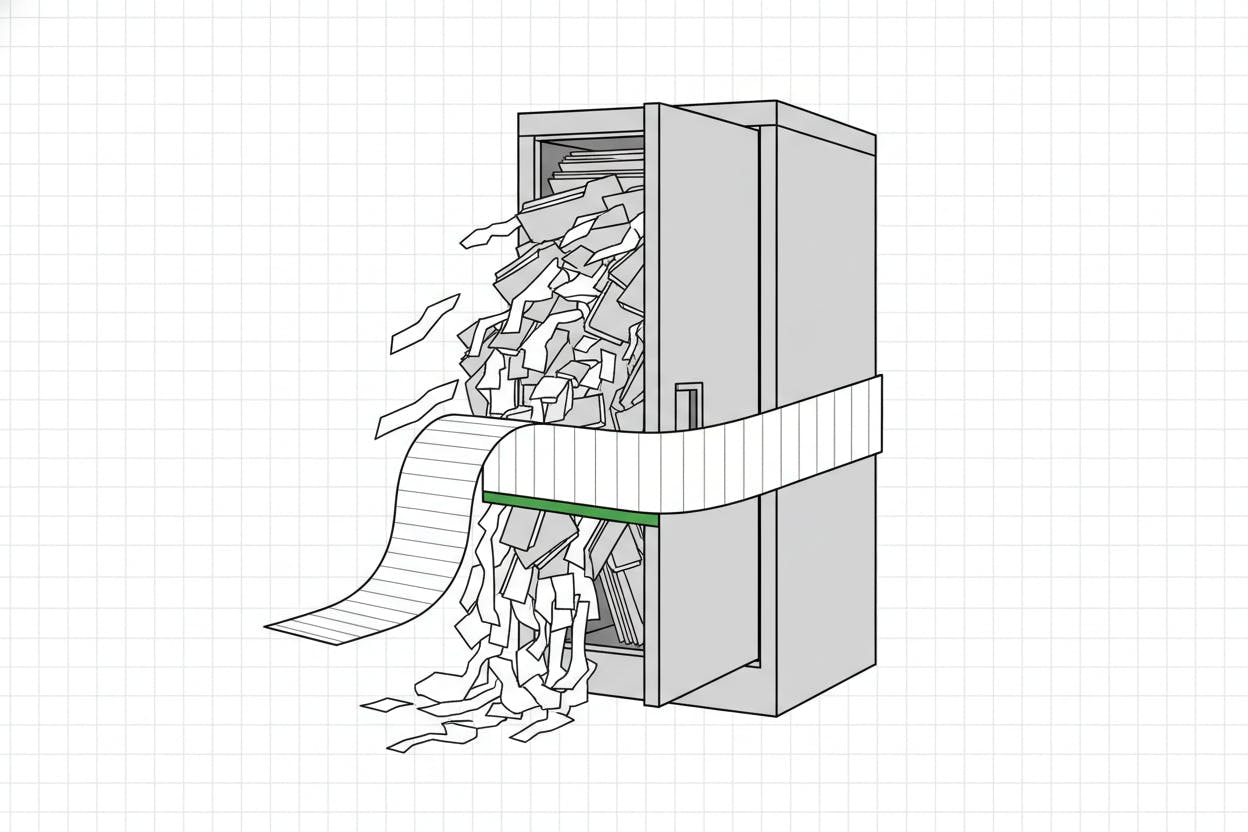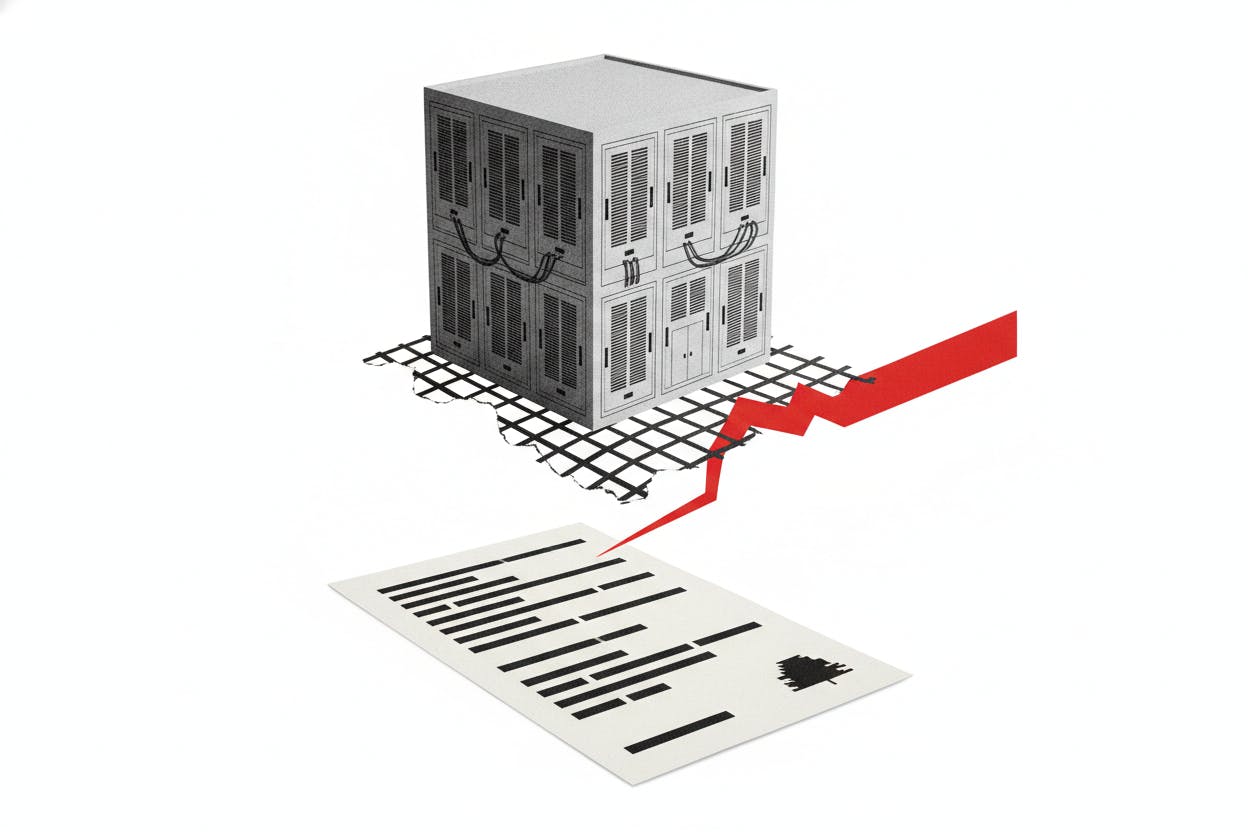
Nvidia is pulling back on how much financial risk it's willing to take on for OpenAI's proposed 10-gigawatt data center in Ohio. According to The Wall Street Journal, the chipmaker may guarantee less than $120 billion for the project's first phase, a sharp reduction from the $250 billion figure that had been discussed earlier.
The move comes after investors raised concerns about the scale of liability Nvidia would be assuming. A guarantee of this kind acts as a safety net for lenders: if the project can't meet its debt obligations, the backer—in this case, Nvidia—would be on the hook to step in and cover the shortfall.
What's behind the change?
The Ohio data center is part of a broader push by OpenAI to build massive computing infrastructure to support its AI models. The project's total capacity of 10 gigawatts is enormous—enough to power several large cities—and would rank among the largest data center developments ever proposed.
But the financial structure has been a sticking point. A $250 billion guarantee would have represented a massive contingent liability for Nvidia, a company whose entire market value is around $3 trillion. Even for a company of that size, taking on that level of potential exposure is a significant ask.
The WSJ reports that Nvidia and OpenAI are now close to a deal that would cover only the first phase of the project. That narrower scope would limit Nvidia's exposure to a more manageable level, though still a substantial sum.
This isn't the first time Nvidia has been involved in financing AI infrastructure. The company has been working with Wall Street to raise billions for AI data centers, and it has a clear interest in making sure these projects get built—they're the customers for its GPUs. But the scale of the Ohio project has tested the limits of that willingness.
Why investors are watching closely
For everyday investors, the key takeaway is about risk. When a company like Nvidia agrees to guarantee a project, it's not just a symbolic gesture—it's a real financial obligation that could affect future earnings if things go wrong.
Investors have become more cautious about the risks of crowded AI trades, and this news fits that pattern. The AI boom has driven huge investments in data centers, but the financing structures are getting more complex and more scrutinized.
The reduction in Nvidia's guarantee could be seen as a positive sign for the company's balance sheet, but it also raises questions about whether the Ohio project will have enough financial support to move forward. If lenders are less confident, the project could face higher borrowing costs or delays.
What it means for investors
For Nvidia shareholders, a smaller guarantee is generally good news—it means less potential downside if the project struggles. But it also signals that even the most enthusiastic AI backers are starting to think more carefully about the risks involved.
For those watching the broader AI infrastructure trend, this is a reminder that these mega-projects are not just about technology—they're also about finance. The ability to raise capital at reasonable terms is just as important as the engineering.
The Ohio data center is part of a larger wave of AI infrastructure spending. Companies like Orascom Construction have seen backlogs grow on the US data center boom, and even bitcoin miners are pivoting to data centers as the demand for computing power surges.
But the financing side is getting more complicated. Nvidia's decision to trim its guarantee suggests that the era of blank-check enthusiasm for AI infrastructure may be giving way to more careful, phase-by-phase commitments.
Investors should watch for further details on the deal, including the exact size of the guarantee and the terms of the financing. The outcome could set a precedent for how other AI data center projects are funded in the future.
For now, the takeaway is simple: even the biggest names in tech are starting to put limits on how much risk they're willing to take for AI's growth. That's a shift worth paying attention to.