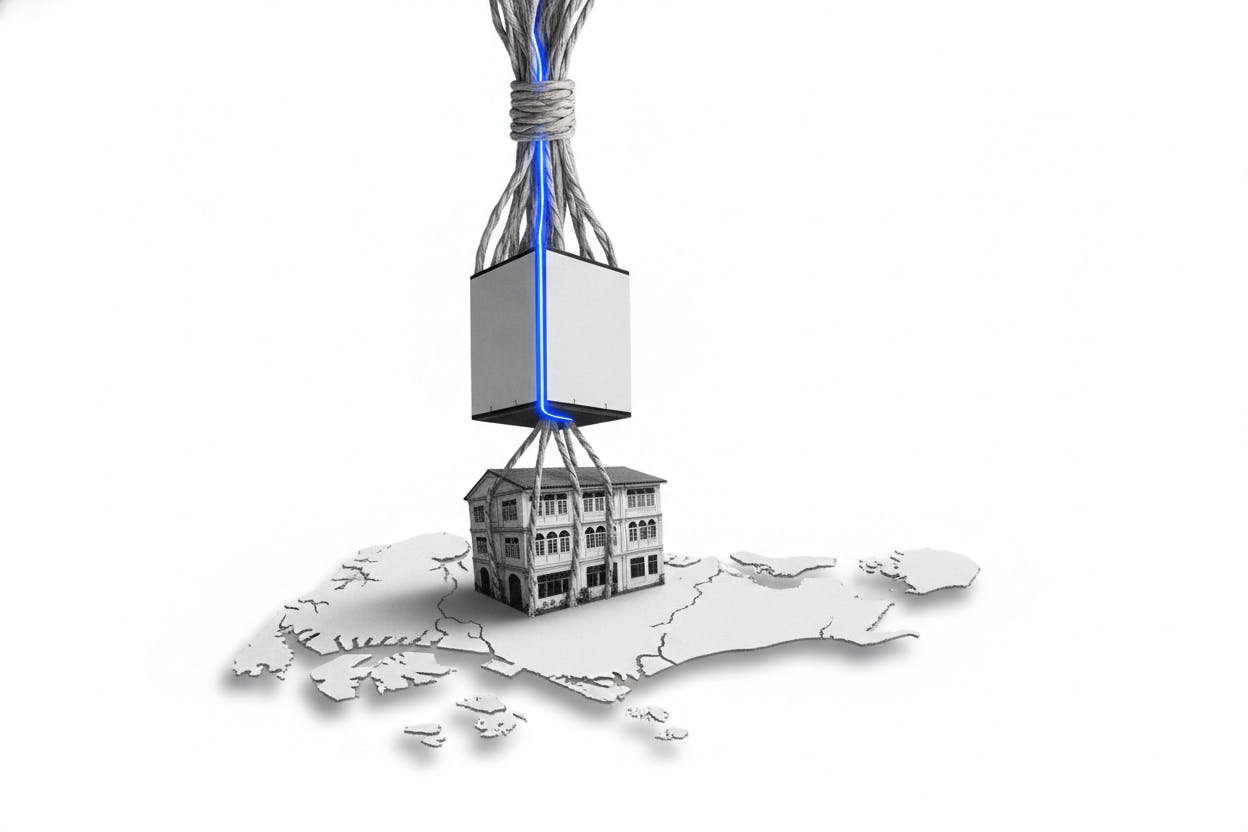
Singapore-based conglomerate Keppel reported a 25% rise in first-half net profit on Thursday, driven by strong performance from its infrastructure and data center businesses as artificial intelligence demand fuels a boom in digital infrastructure.
The company, which operates across infrastructure, real estate, and connectivity, said net profit excluding a non-core portfolio it is divesting reached S$530 million ($395 million) for the six months ended June, up from S$431 million a year earlier.
Infrastructure and data centers lead the charge
Keppel's infrastructure segment was the standout performer, with profit surging 55% to S$339 million. The unit's integrated power business delivered robust results, even as electricity-trading margins — known in the industry as spark spreads — softened and operating costs rose. Spark spreads measure the profitability of generating electricity from natural gas, and their narrowing typically signals tighter margins for power producers.
The connectivity division, which includes Keppel's data center operations, also posted strong growth, with profit climbing 54%. The unit benefited from rising demand for data center capacity, driven by the expansion of cloud computing and AI workloads. Companies across the tech sector are racing to build out data center infrastructure to support AI model training and inference, a trend that has boosted demand for power, cooling, and connectivity services.
Keppel's data center business is part of a broader wave of investment in digital infrastructure. Other companies, such as Bloom Energy and Corning, have also reported rising revenue from data center-related products, highlighting the sector's importance to the global economy.
What this means for investors
Keppel's results underscore the growing role of data centers as a key driver of earnings for infrastructure and real estate companies. For everyday investors, the trend reflects a structural shift in demand for digital infrastructure that is likely to persist as AI adoption accelerates.
However, investors should note that Keppel's infrastructure business faces headwinds from softer power margins and rising costs, which could weigh on future earnings. The company's ability to manage these pressures while capitalizing on data center growth will be a key focus for analysts.
Keppel's real estate segment, which includes its property development and investment portfolio, was not a major contributor to the profit jump. The company is also in the process of selling a non-core portfolio, which it excluded from its adjusted profit figure, signaling a strategic shift toward higher-growth areas.
Broader market context
The results come amid a broader rally in infrastructure and data center stocks, as investors bet on long-term demand from AI and cloud computing. Companies like Carrier Global have also raised their outlooks, citing data center demand as a growth driver.
Keppel's performance also highlights the resilience of Singapore-based conglomerates, which have diversified revenue streams across Asia and beyond. The company's integrated power business, which supplies electricity to industrial and commercial customers, benefits from stable demand even as margins fluctuate.
For investors, Keppel's results offer a window into the health of the data center ecosystem. While the sector is booming, it is also capital-intensive and subject to regulatory and environmental scrutiny. Companies that can efficiently manage power costs and secure land for new facilities may have a competitive edge.
Looking ahead, Keppel's focus on infrastructure and connectivity positions it well to benefit from the AI-driven demand for data centers. But investors should watch for signs of margin pressure in its power business and any delays in its portfolio divestment plans.