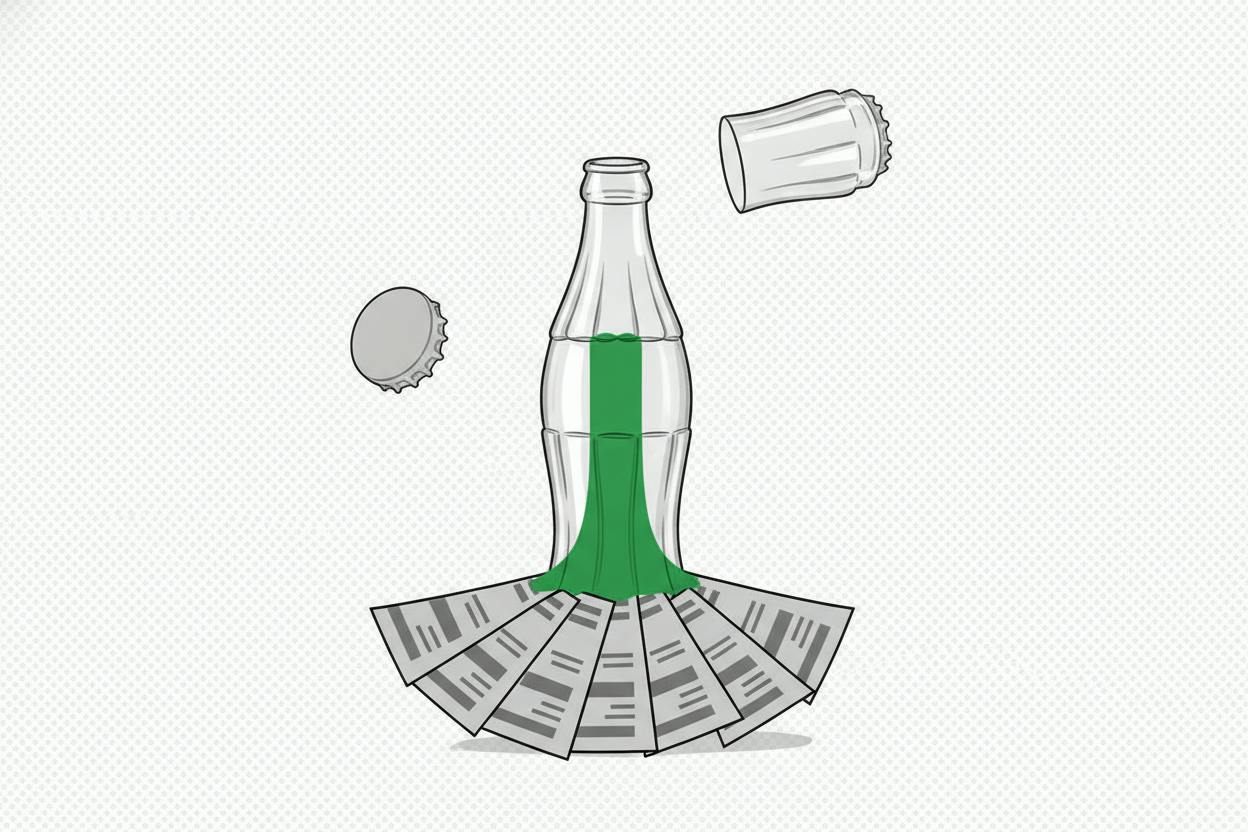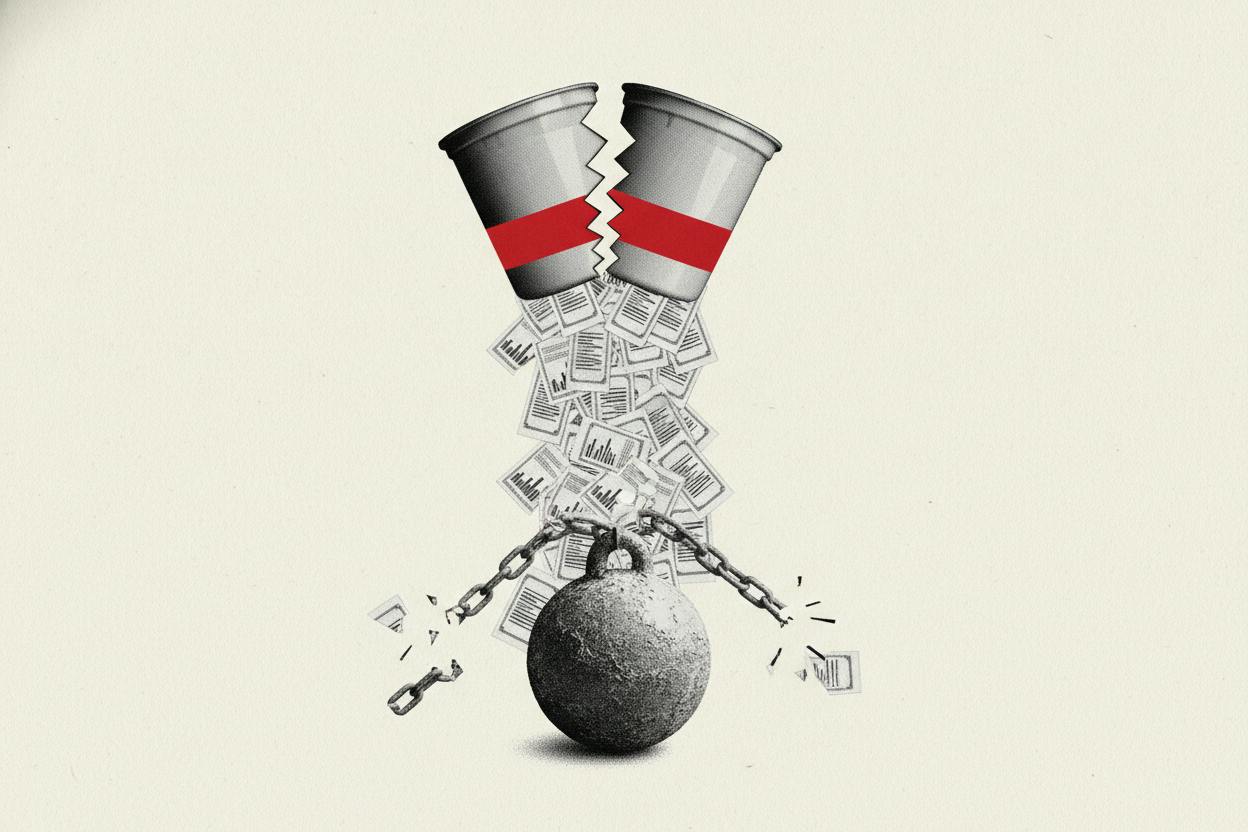
Keurig Dr Pepper, the beverage company behind popular drinks like Dr Pepper, Snapple, and Green Mountain Coffee, announced it will sell $2 billion in new shares to help pay down debt. The offering, which includes an option for underwriters to buy an additional $300 million in shares, comes ahead of the company's planned split into two separate publicly traded companies early next year.
The company said the net proceeds from the sale will be used to repay or repurchase about $2 billion of its long-term debt, which stood at roughly $21.06 billion as of September 30, 2026. By reducing leverage before the split, Keurig Dr Pepper aims to give each new entity a cleaner financial start.
What's behind the split?
Keurig Dr Pepper plans to separate into two independent companies: Beverage Co., which will focus on its flavored sodas, juices, and other drinks, and Global Coffee Co., which will handle its coffee business, including the Keurig brewing systems and coffee pods. The separation is expected to be completed in early 2027.
Such splits are often pursued to let each business focus on its own strategy, capital needs, and growth opportunities. For investors, the move can create two distinct investment cases, but it also comes with costs and complexities, including the need to ensure both companies are financially stable on their own.
Why the stock fell
Investors didn't greet the news with enthusiasm. Keurig Dr Pepper's shares dropped about 4% in premarket trading after the announcement. The reason is straightforward: selling new shares increases the total number of shares outstanding, which means existing shareholders own a slightly smaller piece of the company unless the overall value rises to match. This dilution, combined with the extra supply of shares hitting the market, can weigh on the stock price during the offering period.
Goldman Sachs and Morgan Stanley, two major global investment banks, are leading the sale as joint book-running managers. Their role is to market the shares to institutional investors and manage the pricing and allocation process.
What it means for investors
For current shareholders, the near-term impact is clear: more shares and a large block of new supply can put downward pressure on the stock around the offering. But for those focused on the long-term health of the two future companies, the debt paydown is the key point.
Starting Beverage Co. and Global Coffee Co. with lower leverage gives each company more breathing room to borrow, refinance, or weather an economic slowdown without having to cut costs or investments immediately. Lower debt levels can also reduce perceived risk, which often translates into lower borrowing costs over time. That could benefit the companies' credit ratings and their ability to fund growth initiatives.
For everyday investors, this is a reminder that corporate actions like stock sales and splits can have both short-term and long-term effects. The immediate share price reaction may be negative due to dilution, but the strategic rationale—strengthening the balance sheet ahead of a major restructuring—could be positive for the future entities.
Investors should also note that the offering is underwritten, meaning the banks have committed to buy the shares if they can't sell them to other investors. This reduces the risk that the company won't raise the funds it needs, but it doesn't eliminate the market impact of the new supply.
As the split approaches, investors will likely watch for more details on the capital structures of the two new companies, as well as any updates on the timing and terms of the separation. For now, the $2 billion share sale is a clear signal that Keurig Dr Pepper is serious about starting its next chapter on solid financial footing.