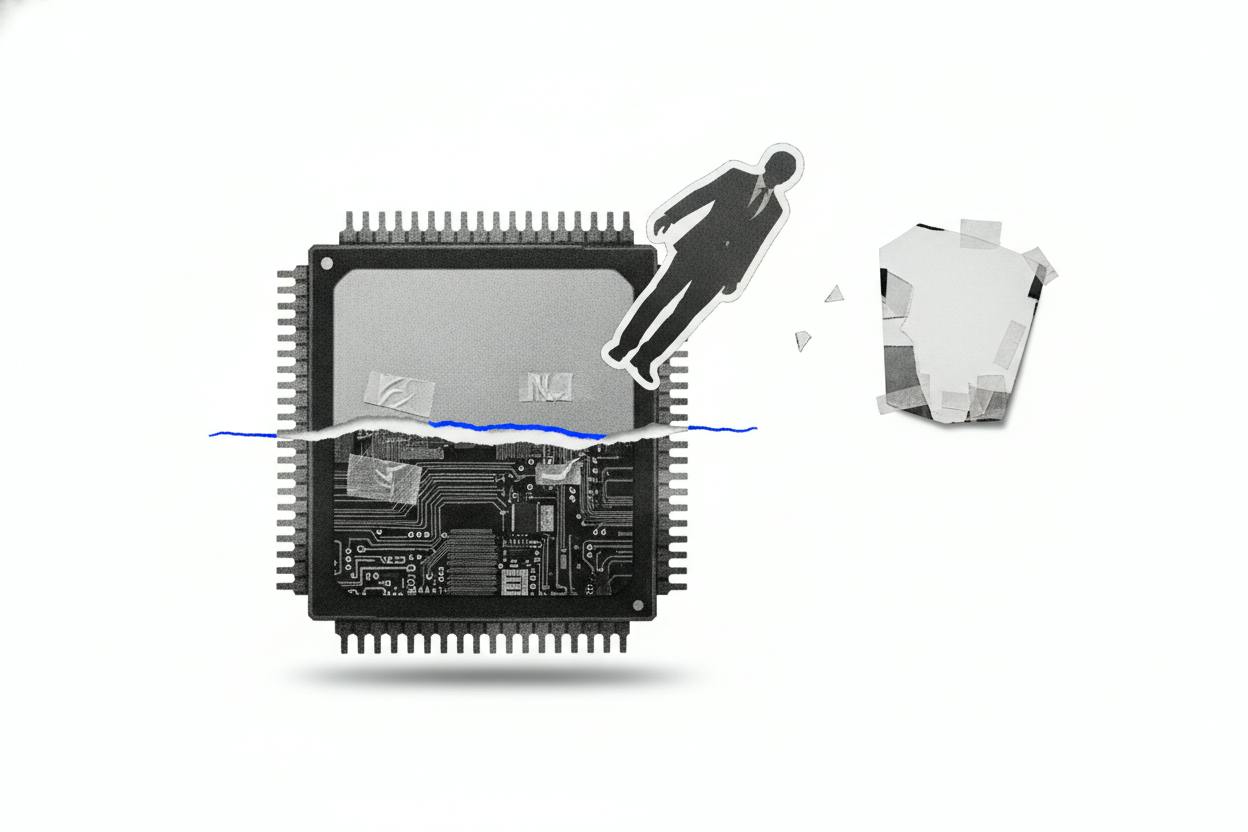
Billionaire investor Leo KoGuan, one of Nvidia's most prominent individual shareholders, said late Thursday that he plans to scale back his stake in the chipmaker following the ouster of CEO Jensen Huang. In a post on X, KoGuan made clear his move is not a bet against Nvidia's products or its near-term prospects.
“In the next 3 years, nothing has changed on NVDA's trajectory,” he wrote, but added that he will “reduce my plan investment in NVDA” because Huang is no longer at the helm. Instead, KoGuan said he wants more exposure to other artificial-intelligence companies and to whatever Huang “establishes or buys,” effectively treating the former CEO's next move as its own investment theme.
Why a CEO exit matters beyond the headlines
KoGuan's decision highlights a familiar pattern in markets: leadership shocks can change how a stock trades even when forecasts for revenue and profits don't immediately move. Investors start debating oversight, corporate culture, and whether the management bench is deep enough to execute on a company's strategy.
For Nvidia, the sudden departure of its longtime CEO introduces what analysts call key-person risk. When a company's fortunes are closely tied to a single leader, a change at the top can make investors demand a higher equity risk premium—the extra return they want for holding a riskier stock. That tends to compress valuation multiples, such as price-to-earnings ratios, even if the underlying three-year business outlook looks similar on paper.
The market reaction to Huang's exit has been visible across global markets. In Asia, Malaysia stocks slipped for a fourth day as Nvidia jitters rippled through the region, while Australia's ASX 200 fell 0.71% on AI sentiment. Europe's STOXX 600 also slipped as the AI trade wobbled, and AI stocks were rattled while the dollar steadied. Yet not all markets reacted negatively: South Korea's KOSPI rallied 2.4% as chip stocks shrugged off the worries, and Taiwan chip stocks posted an 11% weekly gain despite the exit.
What it means for investors
KoGuan's three-year outlook still leaves Nvidia priced on succession clarity. The market will now watch closely for any announcements about interim leadership, board decisions, and whether the company can maintain its product roadmap without Huang's hands-on involvement.
His focus on Huang's next venture adds a second layer. Money and attention can start flowing to “whatever Jensen does next,” creating a competing bucket for AI allocations. That could pull some capital away from Nvidia even if the company's fundamentals remain strong.
For everyday investors, the key takeaway is that leadership changes can affect stock prices in ways that aren't immediately tied to earnings or sales. Valuation multiples can shift as investors reassess risk, and volatility may rise as headlines about succession dominate.
KoGuan's move also underscores a broader trend: the AI trade is no longer a one-stock story. As more companies and projects compete for AI dollars, investors have more choices—and more reasons to diversify beyond a single name.
Still, KoGuan's message was not a sell signal for Nvidia's fundamentals. He explicitly said the company's trajectory over the next three years is unchanged. His decision is about leadership, not about the chipmaker's products or market position.
For now, Nvidia investors will be watching for clarity on succession and any signs that the board can steady the ship. Until then, the stock may remain more sensitive to leadership headlines than to quarterly numbers.