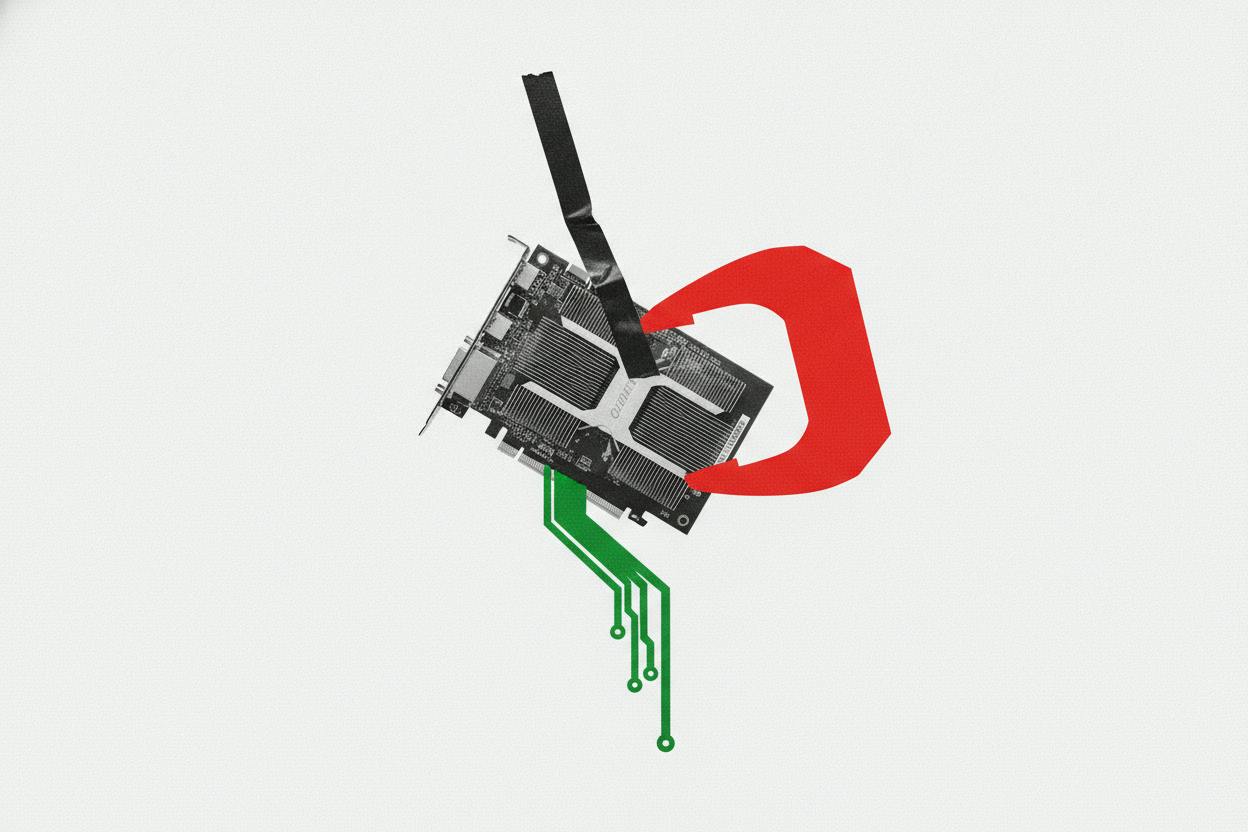
Asian markets steadied on Friday after a volatile session triggered by the surprise resignation of Nvidia CEO Jensen Huang. The news, which broke a day earlier, sent ripples through AI-linked stocks and nudged the dollar higher as Treasury yields rose. By Friday, investors were catching their breath, but the underlying concerns that fueled the selloff remained firmly in focus.
Huang's departure lands at a delicate moment for the tech sector. Investors were already on edge about tighter US chip-export rules and whether those restrictions could curb the breakneck growth of artificial intelligence. The combination of leadership uncertainty at the industry's most important chipmaker and a potential regulatory clampdown has left markets reassessing the outlook for AI infrastructure spending.
JPMorgan warns of a leadership vacuum
JPMorgan, one of the largest US banks, weighed in with a stark assessment. The bank said Huang's exit “leaves a vacuum that will be difficult to fill,” and cautioned that fresh AI-infrastructure deals could take longer to close or require more compensation. That's because Nvidia often plays multiple roles beyond simply selling chips—it can act as a supplier, an investor, or even a contractual backstop for large projects.
When a key firm occupies so many positions in a deal, its leadership stability becomes critical. Uncertainty at the top can quickly translate into tougher financing terms for data centers and other AI-related projects. Lenders and investors may demand higher interest costs or stronger protections, which can slow the pace at which new facilities get approved and built.
This dynamic helps explain why copper prices weakened in the wake of the news. Copper is a key input in power, networking, and cooling equipment used in data centers. When expected buildouts get pushed back, demand for the metal softens, and prices can slide. The reaction was visible on the London Metal Exchange, where copper prices dipped as traders reassessed how much near-term AI buildout would translate into demand for industrial metals.
Broader market impact
The market treated Huang's resignation as a broader risk reset. Some AI names slid, and high-volatility miners felt the pinch. Capstone Copper, a miner with significant exposure to copper, fell more than 5% in the wake of the news. The move underscores how a leadership shock at a company central to the AI supply chain can ripple far beyond the tech sector.
At the same time, the dollar strengthened as Treasury yields rose. Traders began pricing in a small but rising probability of a larger Federal Reserve rate increase later this year. That shift in rate expectations is a reminder that inflation and monetary policy remain key drivers for markets. A stronger dollar can pressure commodities priced in the currency, adding another layer of headwind for copper and other industrial metals.
For everyday investors, the episode highlights how interconnected today's markets have become. A single executive departure at a major tech firm can move currencies, commodities, and stocks across the globe. It also underscores the importance of understanding the role that key companies play in the broader economy.
What it means for investors
For those with exposure to AI-related stocks, the news is a reminder that leadership changes can introduce uncertainty, even at the most dominant companies. While Nvidia's technology remains central to the AI boom, the transition at the top could affect how quickly new projects move forward. Investors may want to watch for updates on succession plans and any signs that major customers are delaying orders.
The copper price reaction also offers a lesson in supply-chain economics. When expectations for AI infrastructure spending shift, the effects are felt in unexpected places, from industrial metals to mining stocks. Canadian markets felt the impact as gold dropped and AI trades were rattled.
Meanwhile, the dollar's strength and rising Treasury yields are worth monitoring. A stronger dollar and higher yields can affect everything from emerging-market stocks to commodity prices. If the Fed does move to raise rates, it could put further pressure on risk assets.
Retail traders, interestingly, have been snapping up Nvidia shares following the CEO's exit, according to data. That suggests some investors see the dip as a buying opportunity, betting that the company's fundamentals remain intact despite the leadership change.
As markets settle, the focus will likely shift to how Nvidia's board handles the transition and whether the company can maintain its momentum. For now, investors are left to weigh the risks and opportunities in a landscape that has suddenly become more uncertain.



