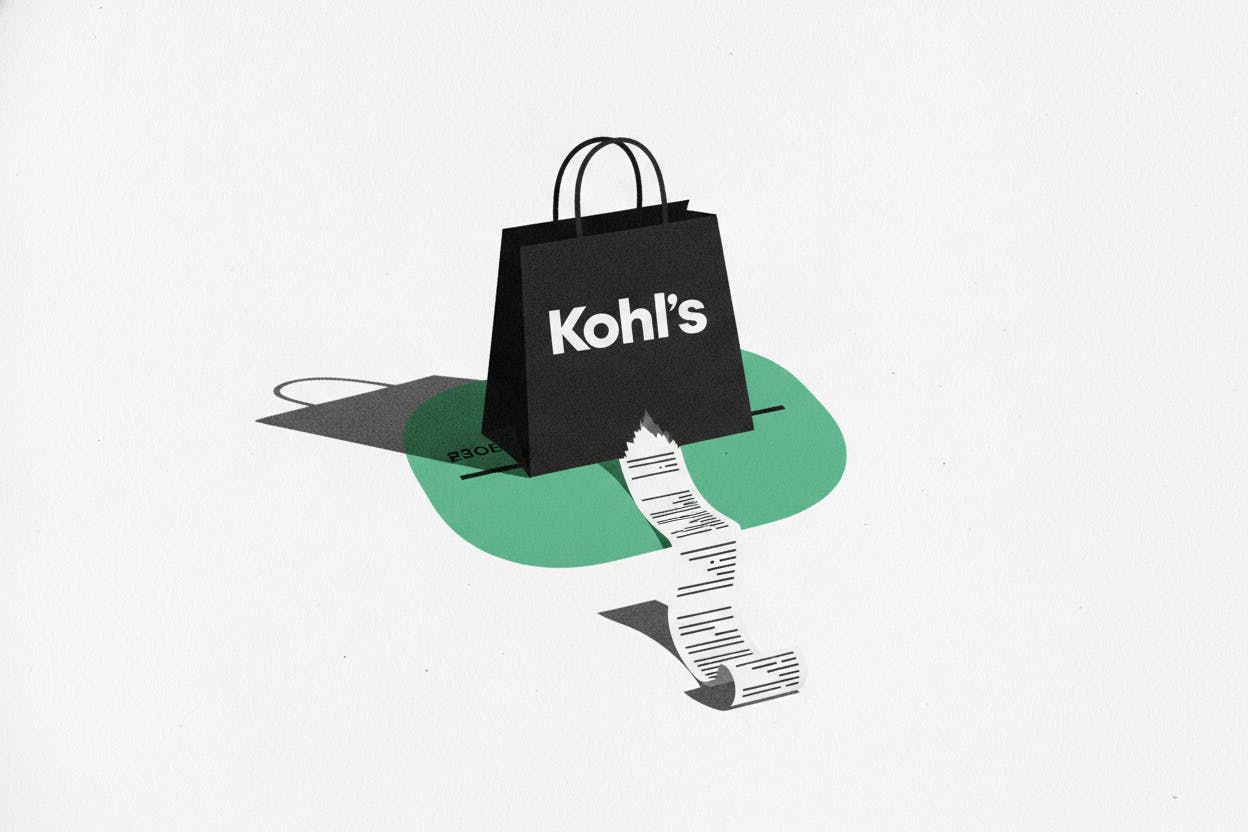
Kohl's delivered a mixed bag for its second quarter: a profit outlook boost thanks to a one-time tariff refund, but a sales shortfall that shows shoppers are still holding back on discretionary purchases. The department store chain's shares fell about 5% in premarket trading after the report, according to Reuters.
What happened
Revenue slipped 0.9% to $3.32 billion, coming in below the roughly $3.35 billion that analysts had expected, based on LSEG data cited by Reuters. The miss reflects a broader trend: customers are being selective about spending on non-essential items like apparel and home goods, categories that are core to Kohl's business.
Despite the top-line weakness, the company raised its profit outlook. The key driver was a $150 million refund related to tariffs—money that flows straight to the bottom line without requiring additional sales. That type of windfall can flatter earnings in a single quarter, but it doesn't change the underlying demand picture.
Why the tariff refund matters
Tariffs are taxes on imported goods, and retailers like Kohl's have been navigating higher costs from trade policies. A refund of this size is essentially a reimbursement of some of those costs, providing a temporary boost to profitability. It's a reminder that earnings can be influenced by factors beyond core operations—something investors should keep in mind when evaluating a company's performance.
The company also said it will restart about $100 million in share buybacks. Buybacks reduce the number of shares outstanding, which can lift earnings per share and signal management's confidence in the business. However, they also use cash that could otherwise be invested in growth or returned as dividends.
What it means for investors
For everyday investors, Kohl's results illustrate the difference between a company's short-term profit picture and its long-term health. The tariff refund is a non-recurring benefit—it won't repeat every quarter. The sales miss, on the other hand, points to a more persistent challenge: getting shoppers to spend on discretionary items in an environment where they're being cautious.
Retailers across the sector are facing similar headwinds. Inflation has eased from its peaks, but many households are still prioritizing essentials over extras. That's particularly tough for department stores, which rely heavily on clothing and home goods—categories that shoppers can easily delay or skip.
The buyback announcement could be seen as a positive signal, but it's worth noting that buybacks don't fix a demand problem. They can support the stock price in the short term, but sustained gains will likely depend on whether Kohl's can revive sales growth.
Investors will be watching the company's next steps: how it manages inventory, whether promotions become more aggressive, and if the sales trend improves in the crucial holiday quarter. The retail calendar is heavily weighted toward the fourth quarter, so a weak start to the year can sometimes be offset by a strong finish.
For those holding Kohl's stock, the key takeaway is to look past the one-time tariff gain and focus on the underlying sales trajectory. For those considering an entry, the premarket drop suggests the market is not fully convinced that the profit outlook is sustainable.
In the broader context, Kohl's is not alone. Other retailers have reported similar patterns—beating on earnings but missing on sales—as they navigate a cautious consumer. The ability to manage costs and protect margins is becoming as important as driving traffic.
As always, past performance is not a guarantee of future results, and individual circumstances vary. It's wise to consider how a stock fits into a diversified portfolio rather than making decisions based on a single quarter's report.