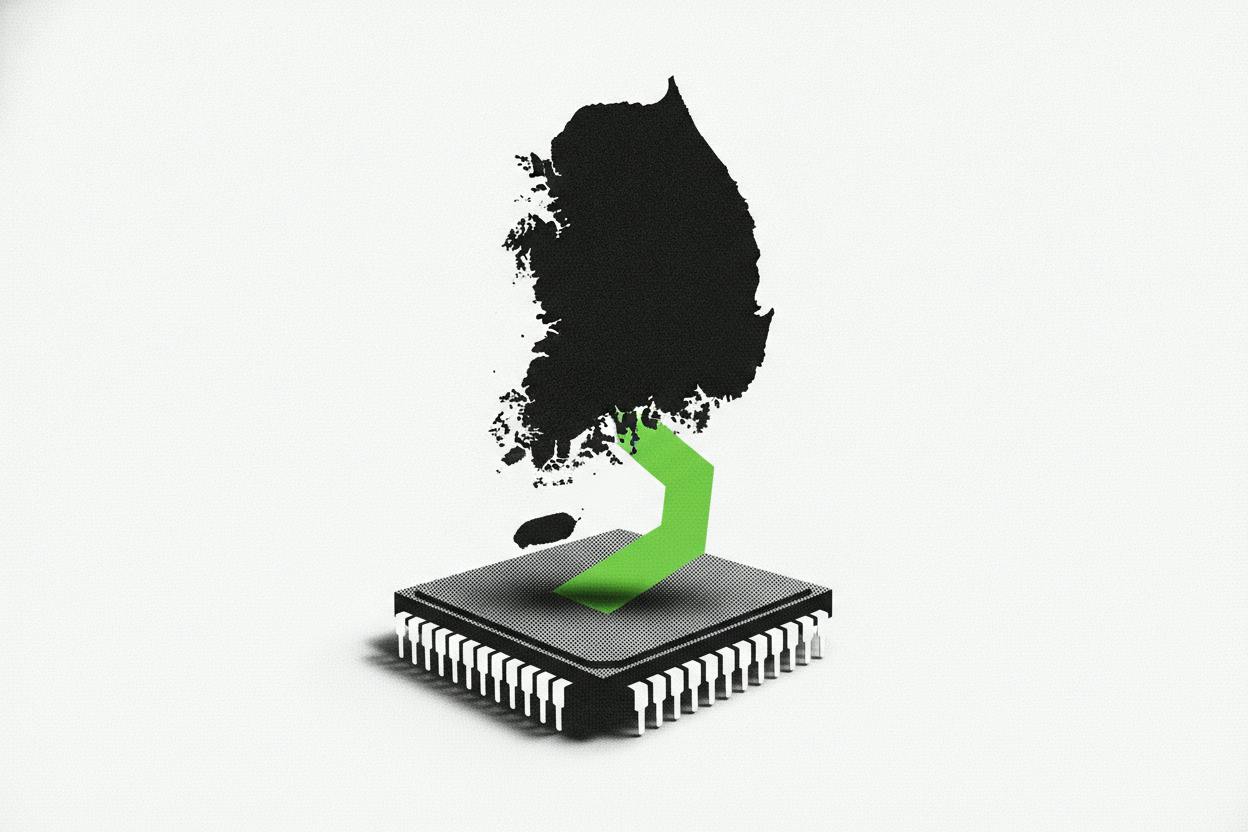
South Korea's main stock index bounced back sharply on Monday, as investors took comfort from official reassurances about the supply of Nvidia's graphics processing units (GPUs) to the country. The KOSPI rose 1.57%, led by a rebound in the heavyweight chipmakers Samsung Electronics and SK Hynix.
The move came after a senior South Korean government official said that Nvidia's current issues would not disrupt the country's contracted supply of GPUs. That helped calm fears that had sent the index tumbling 6% on Friday to its lowest close since March 31st.
Why chip stocks matter so much to the KOSPI
South Korea's stock market is unusually sensitive to headlines about semiconductors. Samsung Electronics and SK Hynix are two of the largest companies in the KOSPI, together accounting for a huge share of the index's total market value. When their share prices move, the whole benchmark tends to follow.
Both companies are major producers of memory chips, and both have been riding a wave of demand tied to artificial intelligence (AI). AI systems rely heavily on high-performance chips, including the GPUs made by Nvidia and the memory chips that work alongside them. That has made South Korean chipmakers key players in the global AI supply chain.
Because of that link, any news about AI hardware demand or supply can quickly repriced the entire KOSPI. Friday's slide was a prime example: worries about Nvidia's supply commitments triggered a broad selloff. Monday's rebound shows how quickly sentiment can flip when those worries are addressed.
What the Nvidia reassurance means
Nvidia is the dominant maker of GPUs, which are essential for training and running AI models. The company has faced various challenges recently, including export restrictions and supply constraints. But the South Korean official's statement suggests that the country's contracted GPU supply will remain intact.
For Samsung and SK Hynix, that's important because they supply memory chips that are used in AI servers alongside Nvidia's GPUs. If Nvidia's supply were disrupted, it could reduce demand for those memory chips. The reassurance helps remove a key uncertainty for investors.
It's worth noting that the official's comments were about supply commitments, not about demand. The underlying demand for AI chips remains strong, but investors are also watching for signs of a slowdown. The recent valuation reality check in AI deals has made markets more sensitive to any negative news.
What it means for investors
For everyday investors, the KOSPI's bounce is a reminder of how concentrated the index is in a few large tech names. When chip stocks move, the whole market feels it. That can lead to sharp swings in either direction, as seen over the past few days.
Investors with exposure to South Korean stocks, whether through individual shares or exchange-traded funds (ETFs), should be aware of this concentration risk. A single piece of news about a company like Nvidia can have an outsized effect on their portfolio.
The rebound also highlights the ongoing importance of AI to global markets. Chip stocks have been among the biggest winners of the AI boom, but they are also vulnerable to sudden shifts in sentiment. The recent rebound in chip stocks on the Nasdaq shows that this volatility is not limited to South Korea.
Looking ahead, investors will likely keep a close eye on any further news about Nvidia's supply situation, as well as on earnings reports from major chipmakers. The AI trade faces tests from earnings and inflation data in the coming weeks, which could set the tone for markets globally.
For now, the KOSPI's recovery suggests that investors are willing to look past the recent wobble, as long as the fundamentals of the AI supply chain remain intact. But the sharp swings of the past few days are a reminder that in today's market, sentiment can change quickly.