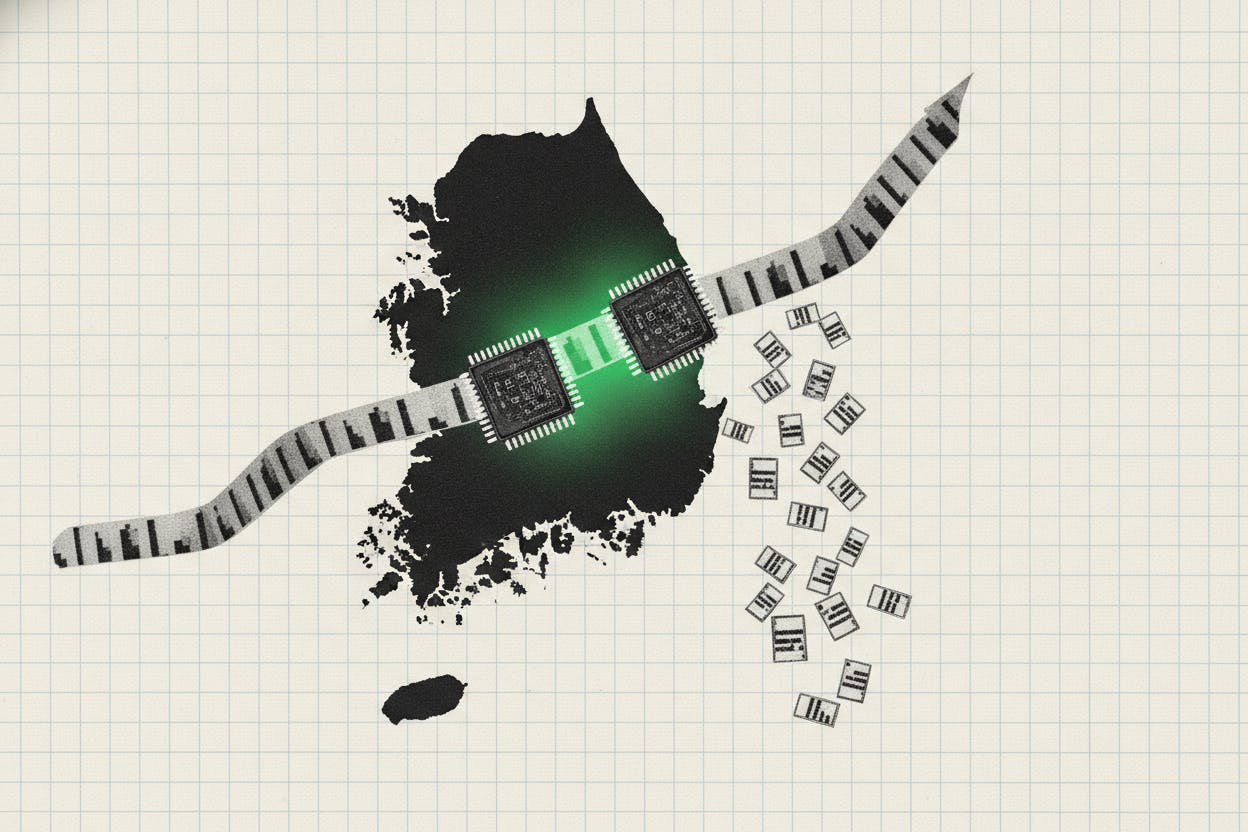
South Korean stocks managed a modest rebound on Friday, but the relief was far from broad. The KOSPI, the country's main benchmark index, rose 0.68% in early trading, helped by a surge in semiconductor shares. Yet the index was still heading for a weekly loss, underscoring the fragility of the market's recent momentum.
The day's gains were unusually concentrated. At 0214 GMT, the KOSPI was up even though the majority of its listed stocks were falling. That kind of split is a telltale sign that the rally was driven by a handful of heavyweight names rather than a wave of optimism across the broader market.
Chip giants lead the charge
The main engines behind Friday's climb were Samsung Electronics and SK Hynix, South Korea's two largest semiconductor makers. Both companies tracked a lift in US chip stocks, after the Philadelphia Semiconductor Index rose 0.5% on Thursday. That index is a closely watched barometer for global chip demand, and its gains often ripple through Asian markets the next day.
For Samsung, there was an additional catalyst: the company scheduled a board meeting to discuss a new shareholder return package. Such announcements matter because they signal how much cash a company plans to hand back to investors, either through dividends or share buybacks. For a company of Samsung's size, even a modest change in payout policy can move the stock and influence the entire index.
SK Hynix, meanwhile, has been a standout beneficiary of the artificial intelligence boom, as its high-bandwidth memory chips are used in Nvidia's AI accelerators. The company has already taken steps to reward investors, including a large buyback program announced earlier this year. That history of shareholder-friendly moves has made it a favorite among investors looking for exposure to the AI trade.
Why the weekly loss still stings
Despite Friday's bounce, the KOSPI was still on track to end the week in the red. That reflects a broader pullback that has hit global markets in recent days, driven by concerns over interest rates, bond yields, and the sustainability of the AI-driven rally. South Korea's export-heavy economy is particularly sensitive to global demand for technology products, so any wobble in the tech sector tends to weigh heavily on the index.
The narrowness of Friday's rally is also a cautionary signal. When only a few large stocks are rising while the majority fall, it suggests that investors are not confident enough to buy across the board. Instead, they are parking money in the safest, most liquid names—often the same megacaps that have already led the market higher.
What it means for investors
For everyday investors, the key takeaway is that the KOSPI's fate remains tightly tied to the fortunes of its chip giants. Samsung and SK Hynix together account for a huge slice of the index's market value, so their moves can swing the entire market. That concentration cuts both ways: when chips are strong, the index can rally sharply, but when they stumble, the downside can be just as steep.
The upcoming Samsung board meeting is worth watching. If the company announces a more generous shareholder return package, it could provide a fresh catalyst for the stock and, by extension, the index. But investors should also keep an eye on the broader macro backdrop, particularly US interest rates and bond yields, which have been driving risk sentiment globally.
For those with exposure to Korean equities, diversification remains important. Relying too heavily on a single sector—no matter how hot—can amplify losses when sentiment turns. The recent weekly decline is a reminder that even the strongest trends can pause, and that a narrow rally is not the same as a healthy one.
As always, this is not a recommendation to buy or sell any specific stock. Instead, it's a snapshot of what's moving the market and why it matters for your portfolio.