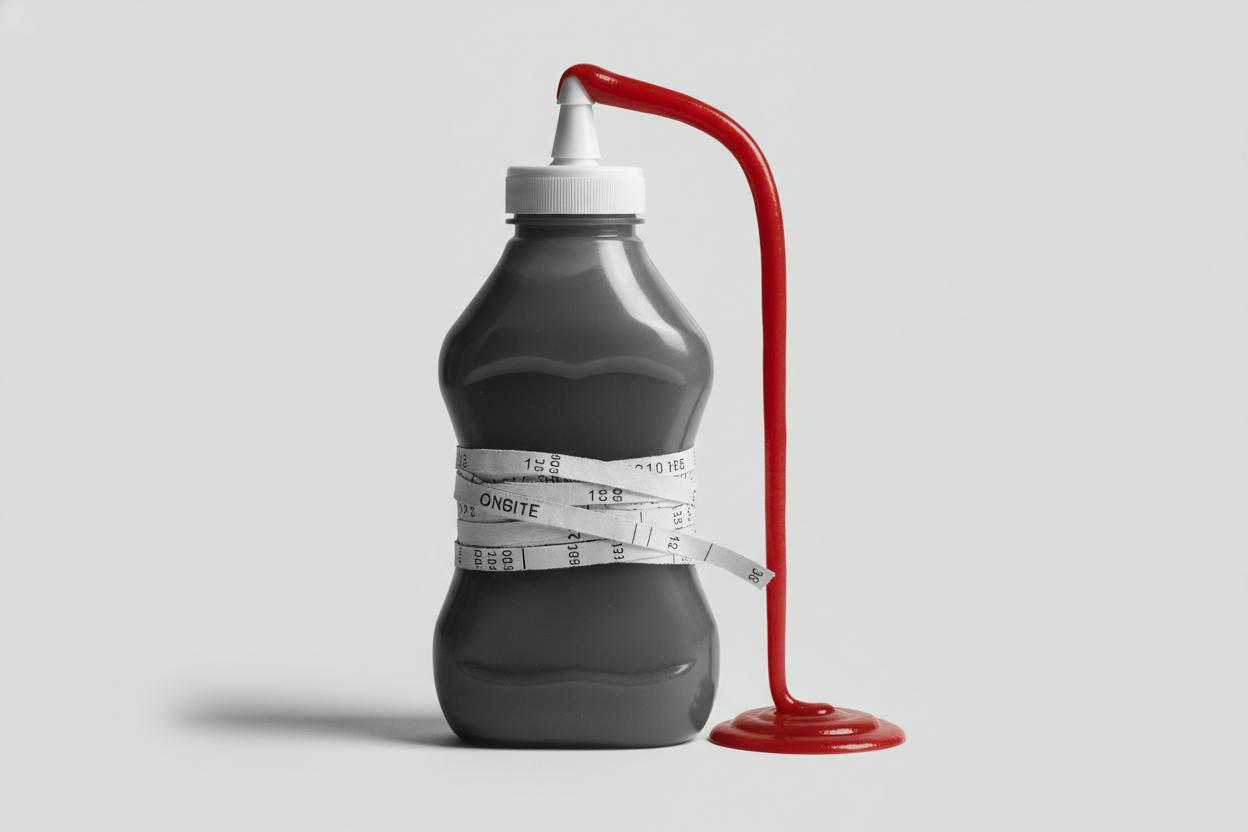
Kraft Heinz, one of the world's largest packaged-food companies, is telling investors to expect a slow but steady comeback. Ahead of its investor day, the company said it expects organic net sales to grow next year, while more meaningful margin expansion is likely to wait until 2028. The message: the turnaround will take time, and the company is willing to spend now to rebuild momentum.
What's behind the cautious outlook?
For years, Kraft Heinz and its rivals leaned on price increases to boost revenue. But those hikes eventually pushed shoppers to cheaper store brands or simply to buy less. The result has been weak sales volumes across the entire packaged-food category, a problem that has weighed on companies from cereal makers to condiment giants.
Now management says it's shifting strategy. Instead of relying on price, the company plans to put more money back into its best-known brands—think ketchup, mac and cheese, and Oscar Mayer—and refresh products to match what consumers actually want today. That includes a growing focus on health-conscious and protein-rich options, which have become key battlegrounds in the food aisle.
The trade-off is clear: reinvesting in brands and innovation costs money, which is why the company is signaling that big profit improvements won't show up until 2028. For investors, that means the next couple of years may look more like a rebuilding phase than a profit bonanza.
Why this matters for everyday investors
Kraft Heinz is a household name, but its stock behaves like a turnaround play. When a company explicitly guides for sales growth next year but pushes margin expansion out to 2028, it's essentially telling the market to be patient. That can be a double-edged sword: it sets realistic expectations, but it also means shareholders shouldn't expect a quick bounce in profitability.
For investors, the key question is whether the reinvestment pays off. If the brand refresh and new product lines—especially in health and protein—can win back shoppers, the payoff could be substantial. But if volumes stay weak, the company could find itself stuck in a cycle of spending without seeing the returns.
It's also worth noting that Kraft Heinz isn't alone in this predicament. Many packaged-food companies are grappling with the same post-inflation hangover, trying to figure out how to grow without relying on price hikes. The company's progress will be watched closely as a bellwether for the sector.
What to watch next
Investors will be listening closely at the investor day for more details on which brands are getting the most investment, how the company plans to measure success, and whether there's any flexibility in the timeline. Any signs that the margin expansion could come sooner—or that sales growth is accelerating—would likely be welcomed by the market.
On the flip side, if the company's guidance proves too optimistic, or if competition from private labels intensifies, the stock could face pressure. The broader market context also matters: with consumer spending still resilient but showing signs of strain, the packaged-food sector is a key area to watch for shifts in shopping behavior.
For now, the message from Kraft Heinz is one of patience and discipline. The company is betting that investing in its core brands now will pay off in the long run, even if the short-term financials look modest. Whether that bet works will be one of the more interesting stories in the food industry over the next few years.
The bigger picture
Kraft Heinz's announcement comes at a time when the broader market has been rallying, with indices like the STOXX 600 hitting records on strong earnings growth. But not every company is participating in that optimism. Packaged-food stocks have lagged as investors rotate toward growth sectors, and Kraft Heinz's cautious outlook reflects that reality.
For everyday investors, the takeaway is straightforward: this is a company in transition, and the rewards may take time to materialize. It's not a story of immediate gratification, but rather one of a slow, deliberate rebuild. As always, diversification and a long-term perspective remain key.