Latin American markets ended a choppy session slightly lower on Wednesday, as a sharp drop in oil prices and uncertainty over newly announced US sanctions on Iran offset a broadly positive tone in emerging markets. The MSCI Latin American equities index slipped 0.3%, even as the broader MSCI Emerging Markets index managed a modest gain.
Oil's slide weighs on the region
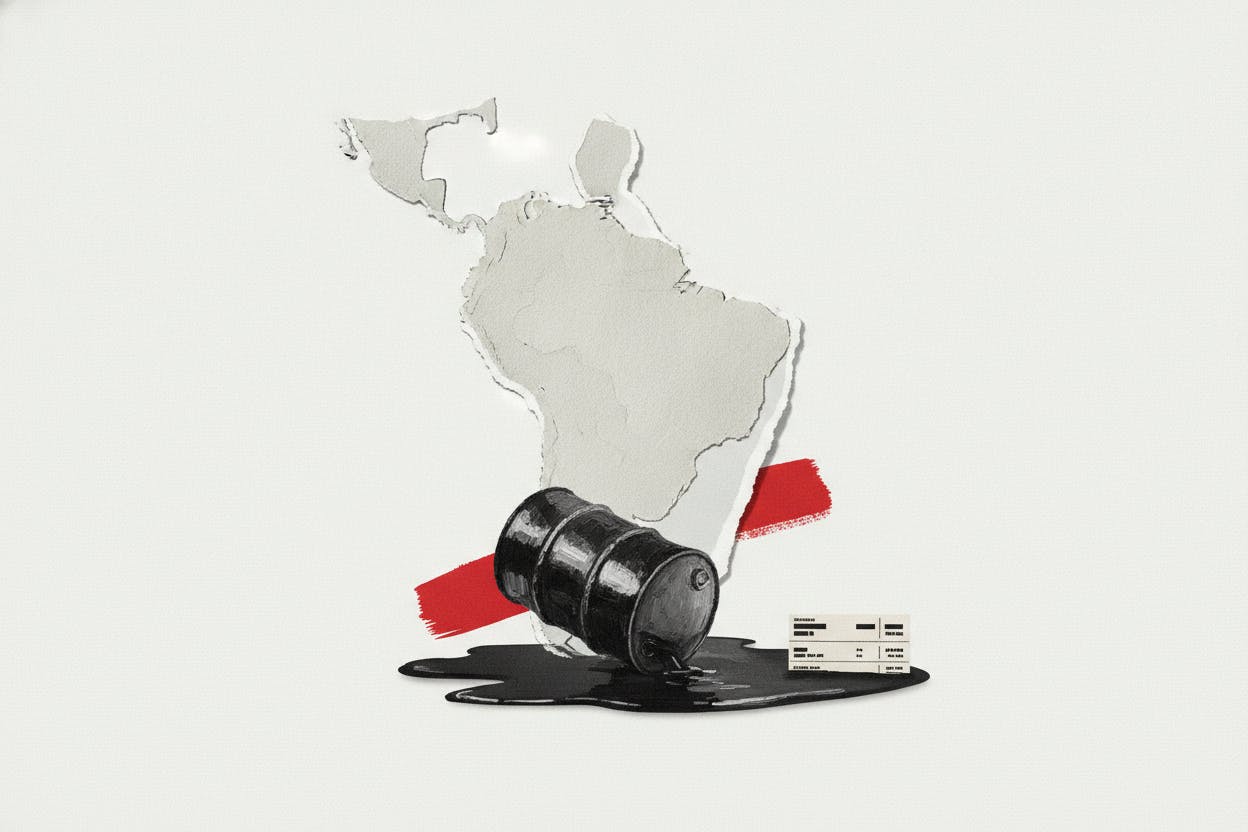
The immediate drag on the region was commodities. Crude oil fell more than 3% to a one-week low, a move that tends to hit export-heavy economies in Latin America, particularly those with significant energy or commodity exposure. Lower oil prices can reduce revenue for oil producers like Mexico and Colombia, and they often weigh on the currencies and stock markets of those countries.
Gold also eased after a recent run-up, adding to the cautious tone. For investors, the message was clear: commodity prices remain a key swing factor for Latin American assets, and any sustained drop in oil could put further pressure on the region's markets.
Iran sanctions: the fine print matters
Beyond commodities, the bigger question was the new round of US sanctions on Iran. Washington announced expanded measures, but without a clear timeline or detailed enforcement plan, leaving investors to guess at the potential impact on global oil supply and trade flows.
US Treasury Secretary Scott Bessent indicated that countries continuing to trade with Iran could face consequences, but the lack of specifics created uncertainty. For Latin American markets, the concern is indirect: tighter sanctions could disrupt global energy markets, but they could also lead to higher oil prices if supply is constrained—a mixed bag for a region that includes both oil exporters and importers.
Similar dynamics were playing out in other emerging markets. In Africa, investors were also weighing the implications of the Iran sanctions and the oil dip, as African markets weighed the same factors. The fact that Latin American currencies held roughly flat suggests that, for now, investors are not panicking—but they are not rushing in either.
Nvidia earnings: the next big test
Adding to the cautious mood was the upcoming release of Nvidia's quarterly results, due Wednesday. Nvidia has become a bellwether for the artificial intelligence trade, and its earnings have the power to move global markets. A strong report could lift sentiment across tech and growth stocks, while a disappointment could trigger a broader sell-off.
For Latin American investors, Nvidia's results matter less for direct exposure and more for the ripple effects. The AI boom has been a major driver of global equity markets, and any wobble could spill over into emerging markets, including Latin America. As Nvidia's earnings could sway markets, traders in the region are watching closely.
What it means for investors
For everyday investors, this session is a reminder that Latin American markets are sensitive to global forces—commodity prices, geopolitical events, and the mood in larger markets like the US. The dip in the regional index was modest, and currencies were stable, suggesting that investors are not fleeing the region. But the combination of falling oil and sanctions uncertainty could keep volatility elevated in the near term.
Investors should also keep an eye on the broader emerging market picture. The fact that the MSCI Emerging Markets index rose while Latin America fell highlights the region's specific vulnerabilities, particularly its reliance on commodities. Diversification across regions and asset classes remains a key strategy for managing these risks.
Looking ahead, the market will be watching for more details on the Iran sanctions, any further moves in oil prices, and the reaction to Nvidia's earnings. For Latin America, the path of least resistance may depend on whether oil stabilizes and whether global risk appetite holds up.
As always, it's important to remember that short-term market moves are not a guide to long-term investing. For those with a diversified portfolio, a single day's dip—or rally—is just noise. The fundamentals of the region, including its growth prospects and political developments, will ultimately matter more than any single session.



