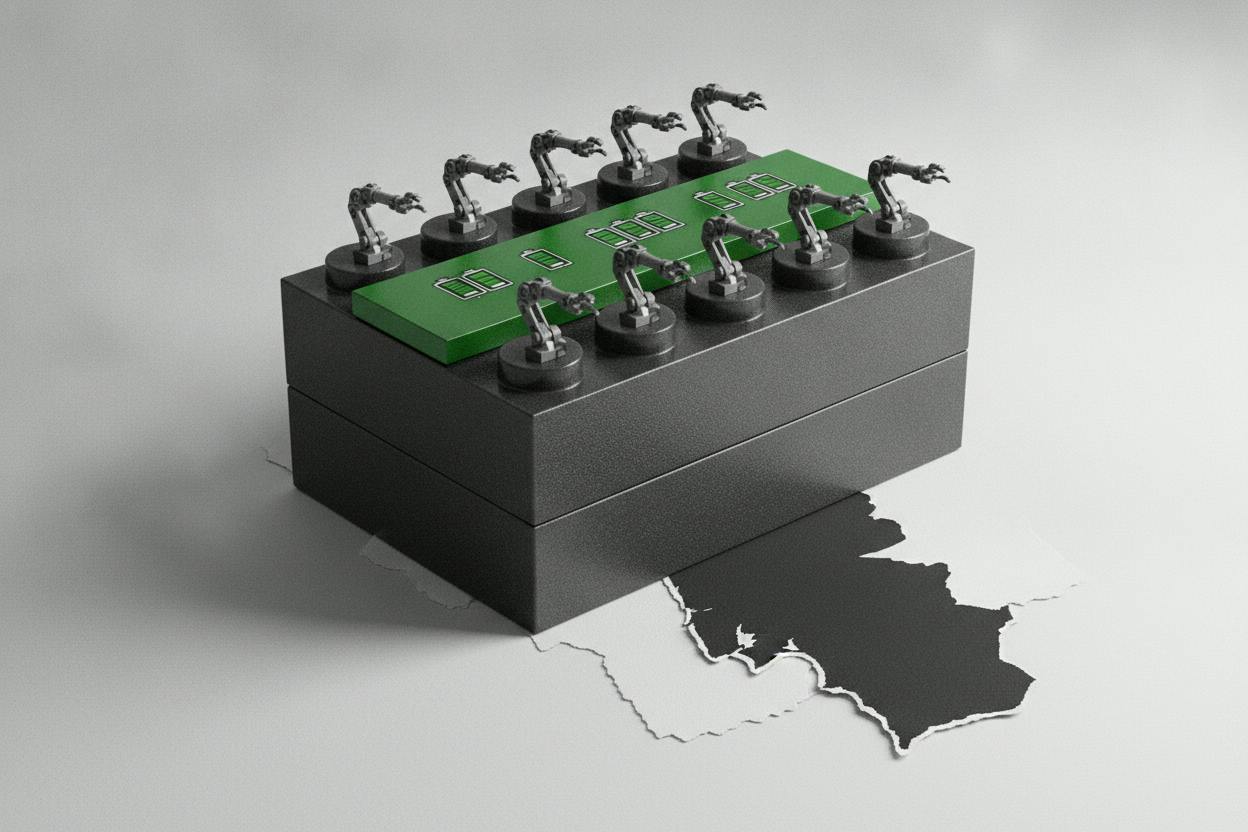
Lego is doubling down on Europe with a roughly €1 billion investment in a new, highly automated factory near Porto, Portugal. The Danish toymaker said the plant will help meet demand across the continent and serve growing markets in Africa and the Middle East, while also making its production network simpler and more responsive.
The 115,000-square-meter site in Estarreja is expected to employ more than 1,000 people. Construction is slated to begin in the first half of next year, with brick production starting in 2030. Lego describes the facility as its most advanced and automated to date, designed to keep its factory network “simple” so that parts don't have to be shipped between multiple sites.
Why Lego is building closer to customers
Lego has been expanding production capacity around the world as it outgrows rivals like Mattel and Hasbro. The company has recently added projects in Vietnam and Virginia, and expanded existing plants in Mexico, Hungary, and China. This new Portuguese site is part of that broader push to put manufacturing closer to the people who buy the toys.
The strategy is straightforward: shorter supply chains mean less time between a surge in demand and shelves being restocked. For a product like Lego, where popular sets can sell out quickly, having a factory inside Europe reduces the risk of empty shelves during peak shopping seasons. The Portugal plant will mainly supply Europe, but it's also positioned to help meet rising demand in Africa and the Middle East, which are closer to Portugal than to Lego's other factories.
Lego also says the new plant will run on renewable power, with most of its energy coming from on-site solar panels and batteries. That aligns with the company's broader sustainability goals, but it also has a financial angle: renewable energy can lower operating costs over the long run, especially as energy prices remain volatile.
What it means for investors
For everyday investors, this is a signal about Lego's growth ambitions and its confidence in European demand. Lego is privately held, so you can't buy its shares directly, but the company's performance is often seen as a bellwether for the broader toy industry and consumer spending.
The investment also highlights a trend among manufacturers: building more capacity in the regions where they sell, rather than relying on long, complex supply chains. This is partly a response to the disruptions seen during the pandemic, when shipping delays and factory closures caused shortages across many industries. Companies that can produce closer to their customers are often better positioned to avoid those problems.
For investors in other companies, this move is a reminder that supply-chain resilience is becoming a competitive advantage. Firms that can quickly restock popular products tend to keep customers happier and lose fewer sales to rivals. That's a factor worth watching when evaluating any consumer goods company.
Lego's decision to invest heavily in automation also points to a broader industry shift. Automated factories can run around the clock with fewer workers, which can lower costs and improve consistency. But they also require significant upfront capital, so companies need to be confident in long-term demand before making such bets.
For European shoppers, the practical effect could be fewer “sold out” moments on popular sets. For investors, it's a sign that Lego sees durable growth ahead in Europe and nearby regions, even as the global economy faces headwinds.
As with any large capital project, there are risks. Construction delays, cost overruns, or a slowdown in toy demand could affect the plant's returns. But Lego's track record of expanding successfully in multiple countries suggests it has the experience to manage these challenges.
In the meantime, investors will be watching how Lego's expansion affects its competitors and the broader toy market. If Lego continues to gain share, rivals like Mattel and Hasbro may need to respond with their own capacity investments, which could pressure their margins.
For now, the Portugal plant is a clear statement of intent: Lego is betting that Europe remains a key growth market, and it's putting more than a billion euros behind that belief.



