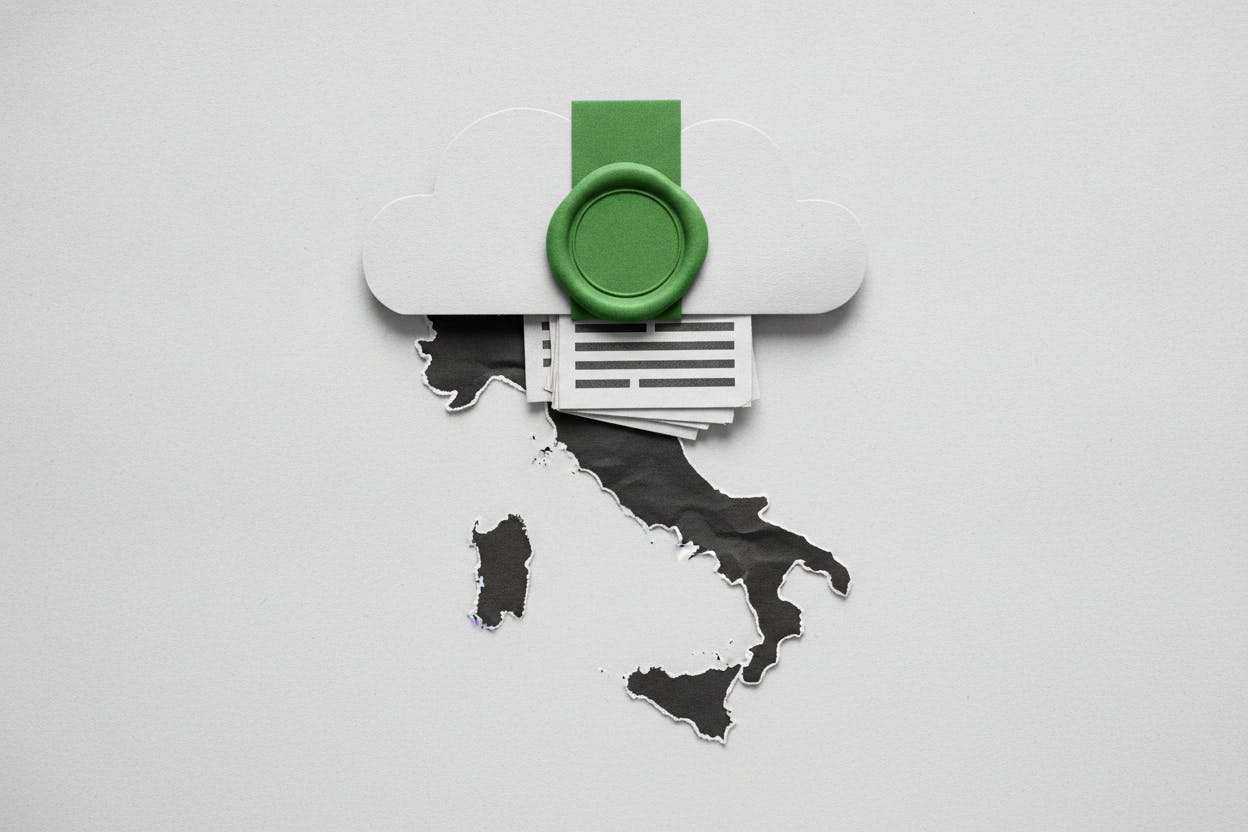
Italy's defense and aerospace group Leonardo is moving to strengthen its grip on the country's government cloud platform, Polo Strategico Nazionale (PSN), by increasing its ownership stake to 35%, according to a Reuters report. The move is part of a broader reshuffle among state-linked shareholders that is expected to tighten control over the sensitive digital infrastructure.
What is Polo Strategico Nazionale?
PSN is the cloud platform that provides IT services to Italy's public administration bodies. Think of it as a secure, government-run alternative to commercial cloud services like Amazon Web Services or Microsoft Azure. Because it handles sensitive data for everything from tax records to healthcare systems, who owns and operates PSN is a matter of national security and strategic autonomy, not just business.
Currently, PSN is owned by a consortium of state-linked entities. The reshuffle, as reported by Reuters, would see Leonardo buy an additional 10% stake from Sogei, a state-owned IT company. Meanwhile, Poste Italiane, the postal and financial services giant, is expected to acquire a 20% stake from Cassa Depositi e Prestiti (CDP), Italy's state-backed investment bank. After the changes, PSN would be controlled by a smaller, more focused group of industrial shareholders with deep ties to the Italian state.
Why This Matters for Investors
For everyday investors, this story is about the intersection of defense, technology, and government policy. Leonardo is primarily known as a defense contractor—it makes helicopters, fighter jets, and naval systems. But it is increasingly positioning itself as a key player in Italy's digital sovereignty. By deepening its role in PSN, Leonardo is securing a long-term, stable revenue stream from government contracts, which can be less volatile than commercial markets.
This move also reflects a broader trend in Europe: governments are taking more direct control over critical digital infrastructure, especially cloud services. Similar efforts are underway in France and Germany, where state-backed cloud projects are being developed to reduce reliance on US-based tech giants. For investors, this means companies like Leonardo that are embedded in these national projects could benefit from steady, policy-driven demand.
The reshuffle also highlights the role of CDP and Poste Italiane. CDP is effectively Italy's sovereign wealth fund, and its decision to reduce its direct stake in PSN while Poste Italiane steps in suggests a strategic realignment. Poste Italiane, with its vast network of post offices and financial services, brings a different set of capabilities to the table, potentially helping PSN expand its reach into more public services.
Broader Market Context
Leonardo's move comes at a time when European defense stocks have been rallying, partly due to increased military spending by NATO countries and the war in Ukraine. However, this deal is about more than just defense—it's about digital infrastructure. As Europe's stock rally broadens beyond tech, investors are looking for companies that can benefit from both defense and technology trends. Leonardo fits that bill.
The company is also under new leadership. Roberto Cingolani, a former minister and physicist, took over as CEO in 2023, and the company has been pushing to expand its high-tech and digital offerings. Analysts have been watching closely, with some forecasting a strong quarter ahead. For instance, BofA has forecast a Q2 beat for Leonardo as the new CEO prepares to report first results.
What to Watch Next
Investors should keep an eye on the final terms of the stake purchases, which are expected to be announced in the coming weeks. The deal still requires regulatory approval, but given the state-linked nature of the parties involved, it is likely to go through.
Also watch for how PSN's expanded ownership structure affects its ability to win new government contracts. If the reshuffle leads to faster decision-making and more investment, it could boost Leonardo's cloud revenue significantly. On the flip side, if the tighter state control slows down innovation or creates inefficiencies, the benefits may be limited.
For now, the message is clear: Italy is doubling down on its digital sovereignty, and Leonardo is at the center of that strategy. For investors, that means a company that was once just a defense play is now also a bet on the future of government technology.