O'Reilly Automotive may be considering a blockbuster acquisition of Genuine Parts Company's NAPA auto-parts business, according to a note from UBS Securities. The potential deal, valued at more than $10 billion, would combine two of the largest players in the automotive aftermarket parts industry. News of the possibility sent O'Reilly shares down more than 7% on Monday, as investors weighed the risks and rewards of such a large transaction.
What UBS Is Saying
UBS, a global investment bank, pitched NAPA as a fast way for O'Reilly to expand its scale and geographic reach. By adding NAPA's extensive network of stores and distribution centers, O'Reilly could push more volume through its supply chain, potentially lowering costs per unit. The deal would also give O'Reilly access to NAPA's strong brand and customer base, particularly in commercial and fleet markets.
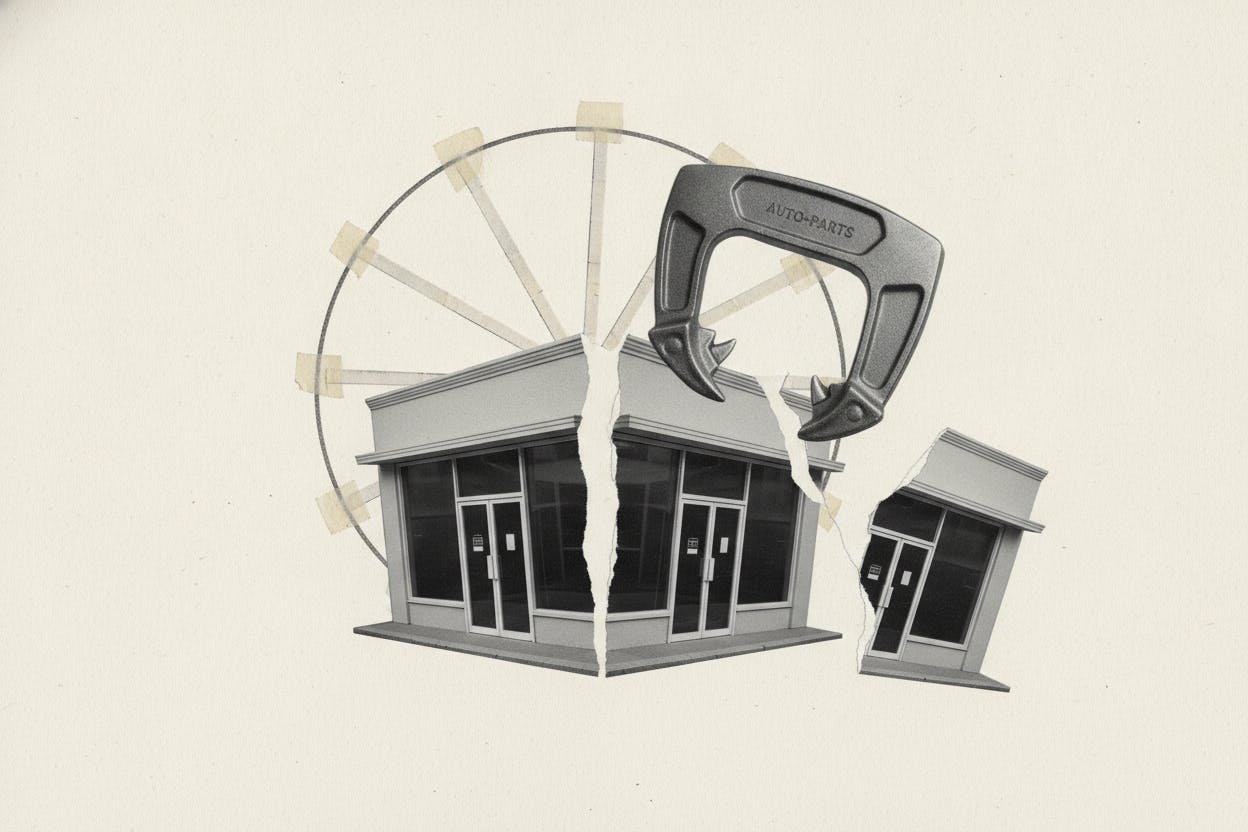
However, the analysts flagged significant hurdles. Both chains already have a heavy presence in many of the same U.S. cities and suburbs, creating substantial store overlap. That overlap is exactly the kind of issue that draws scrutiny from the Federal Trade Commission (FTC), the U.S. competition watchdog. The FTC can require companies to sell off overlapping stores or block a deal entirely if it believes it would reduce competition and harm consumers.
The Broader Context
The automotive aftermarket parts industry has been consolidating for years as companies seek economies of scale to offset rising costs and margin pressure. O'Reilly, with over 6,000 stores, is already one of the largest players, alongside AutoZone and Advance Auto Parts. NAPA, owned by Genuine Parts, operates roughly 1,100 company-owned stores and supplies thousands of independent shops under its brand.
A merger of this size would create a combined entity with a dominant position in the market, potentially giving it more leverage with suppliers and customers. But it also raises antitrust concerns, especially in local markets where consumers might have fewer choices for replacement parts. The FTC has been increasingly active in reviewing large retail mergers, and a deal of this scale would almost certainly face a thorough investigation.
For context, similar large-scale mergers in other industries have faced regulatory pushback. For example, the proposed merger of two major office supply chains was blocked by the FTC in the 1990s due to concerns about reduced competition. More recently, the agency has scrutinized deals in the grocery and pharmacy sectors, requiring divestitures in many cases.
What It Means for Investors
For everyday investors, the key takeaway is that a potential O'Reilly-NAPA deal is far from certain. The stock market's negative reaction on Monday suggests that many shareholders are wary of the risks, including the possibility of a lengthy regulatory review, forced store sales, or even a blocked deal. Large acquisitions often come with integration challenges and can distract management from day-to-day operations.
If the deal goes through, O'Reilly could benefit from cost savings and a stronger competitive position. But investors should also consider the potential for dilution if the company issues new shares to finance the purchase, or increased debt if it borrows heavily. The $10 billion price tag is substantial relative to O'Reilly's current market value of around $60 billion.
For those holding O'Reilly stock, the immediate impact is uncertainty. The company has not confirmed any deal, and UBS's note is just an analyst's opinion, not a formal offer. Investors should watch for any official statements from O'Reilly or Genuine Parts, as well as any filings with the Securities and Exchange Commission that might reveal more details.
In the broader market, this story highlights the ongoing consolidation trend in the auto parts sector. Other players like AutoZone and Advance Auto Parts could also be affected, either as potential acquirers or targets. For a look at how similar dynamics play out in other industries, see our coverage of Solstice's $14.5 Billion Element Deal Puts AI Materials First.
What to Watch Next
Investors should keep an eye on several factors. First, any public comments from O'Reilly or Genuine Parts management. Second, regulatory signals from the FTC, which could indicate how it views such a deal. Third, the reaction of competitors and customers, which might influence the outcome.
If the deal moves forward, it could set a precedent for further consolidation in the industry. But if it falls apart due to regulatory concerns, it might discourage other large mergers in the space. Either way, the situation is fluid, and investors should stay informed.
For more on how large deals can reshape industries, check out our article on Three Infrastructure Giants Shortlisted for €1 Billion Italian Waste Firm EcoEridania.