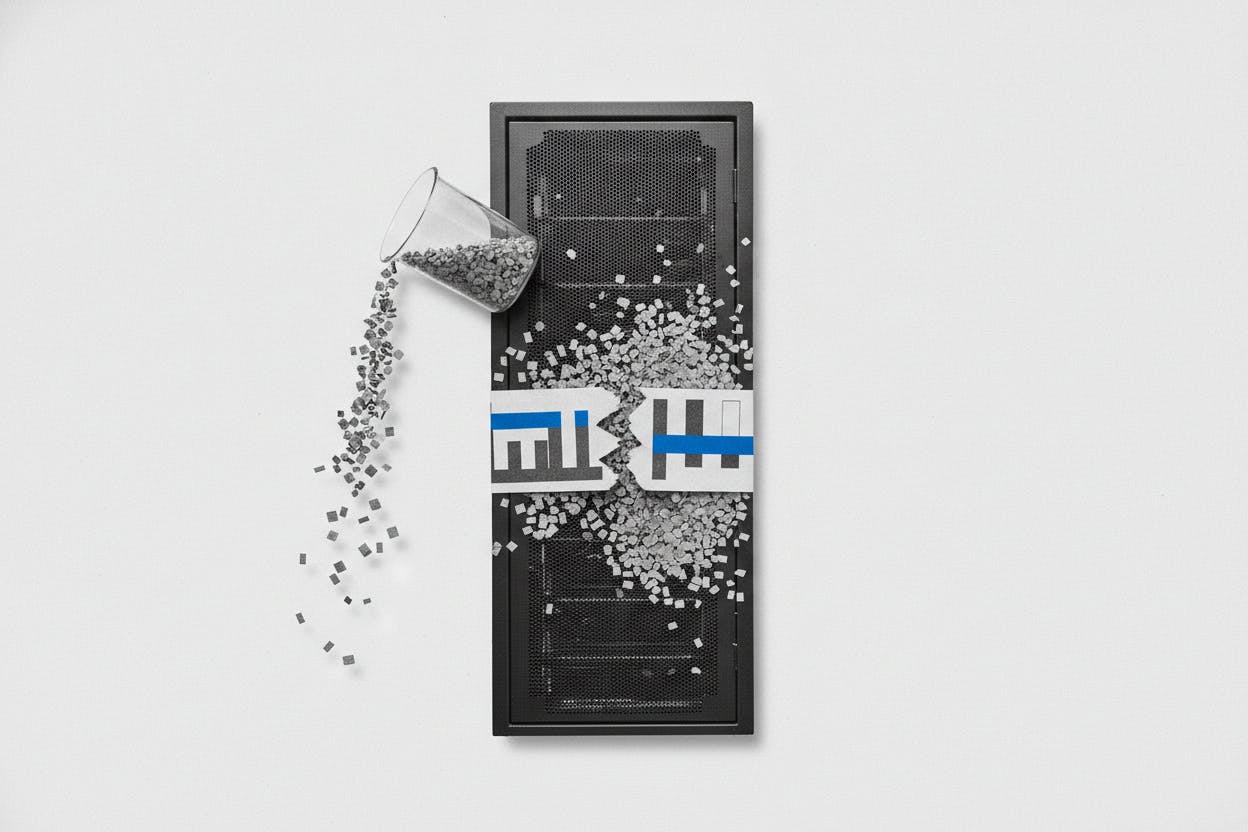
Solstice Advanced Materials, the specialty materials business Honeywell plans to spin off in October 2025, has agreed to acquire Element Solutions in a cash-and-stock deal valued at roughly $14.5 billion. The transaction is expected to close in the first half of 2027, and it signals a major bet on the materials that underpin artificial intelligence hardware.
What the deal involves
Solstice sells specialty materials used in cooling systems and electronics, while Element Solutions produces chemicals essential for manufacturing semiconductors and communications hardware. By combining, the two companies will create a larger, more diversified supplier to the electronics and AI infrastructure supply chains.
The deal structure includes both cash and stock, though specific terms of the consideration were not disclosed in the brief. Markets are also pricing in the complexity of the transaction, which involves a spinoff that hasn't yet occurred and a target with its own publicly traded shares.
Why AI materials matter now
Demand for advanced chips and data centers has surged as companies race to build out AI computing capacity. That has pulled along the entire supply chain, from chip designers and manufacturers to the companies that supply the raw materials and chemicals needed to produce them. Solstice and Element Solutions sit squarely in that chain.
Specialty chemicals and advanced materials are critical for making the tiny, intricate circuits inside AI processors and for keeping data centers cool enough to operate. As AI workloads grow, so does the need for these inputs. The deal positions the combined company to capture more of that spending.
This is part of a broader trend: investors have been watching how companies tied to AI infrastructure—from chipmakers to data center operators—are consolidating to gain scale. For example, Brookfield-backed data center operator Csquare recently filed for a $4.18 billion NYSE IPO, highlighting the capital flowing into the sector. Similarly, SK Hynix listed on Nasdaq with a $28 billion ADR offering to fund AI chip expansion, underscoring the massive investments being made upstream.
What it means for investors
For everyday investors, this deal is a reminder that the AI boom isn't just about the companies that design chips or build data centers. It also flows to the suppliers of specialized materials and chemicals that make those products possible. Companies like Solstice and Element Solutions may not be household names, but they are critical links in the AI supply chain.
Investors should note that the deal won't close until 2027, leaving plenty of time for regulatory reviews and potential changes in market conditions. The spinoff of Solstice from Honeywell is itself a significant event, and the success of this acquisition will depend on how well the combined company integrates and executes.
There is also the question of valuation. At $14.5 billion, the deal is sizable, and markets will be watching to see whether the combined entity can deliver the growth that justifies the price tag. The broader backdrop of AI-driven demand is supportive, but competition in specialty materials is intense, and any slowdown in AI investment could affect the outlook.
Looking ahead
Investors will want to track how the spinoff proceeds and whether any other bidders emerge for Element Solutions before the deal closes. Regulatory approvals, particularly in the U.S. and Europe, could also shape the final terms. The deal's completion in the first half of 2027 gives both companies time to prepare for integration and to navigate any antitrust concerns.
For now, the acquisition underscores a key theme: the AI revolution is driving consolidation not just among tech giants, but also among the specialized suppliers that make their products possible. For investors, understanding these supply-chain dynamics can offer a clearer picture of where growth opportunities lie—and where risks may be hiding.