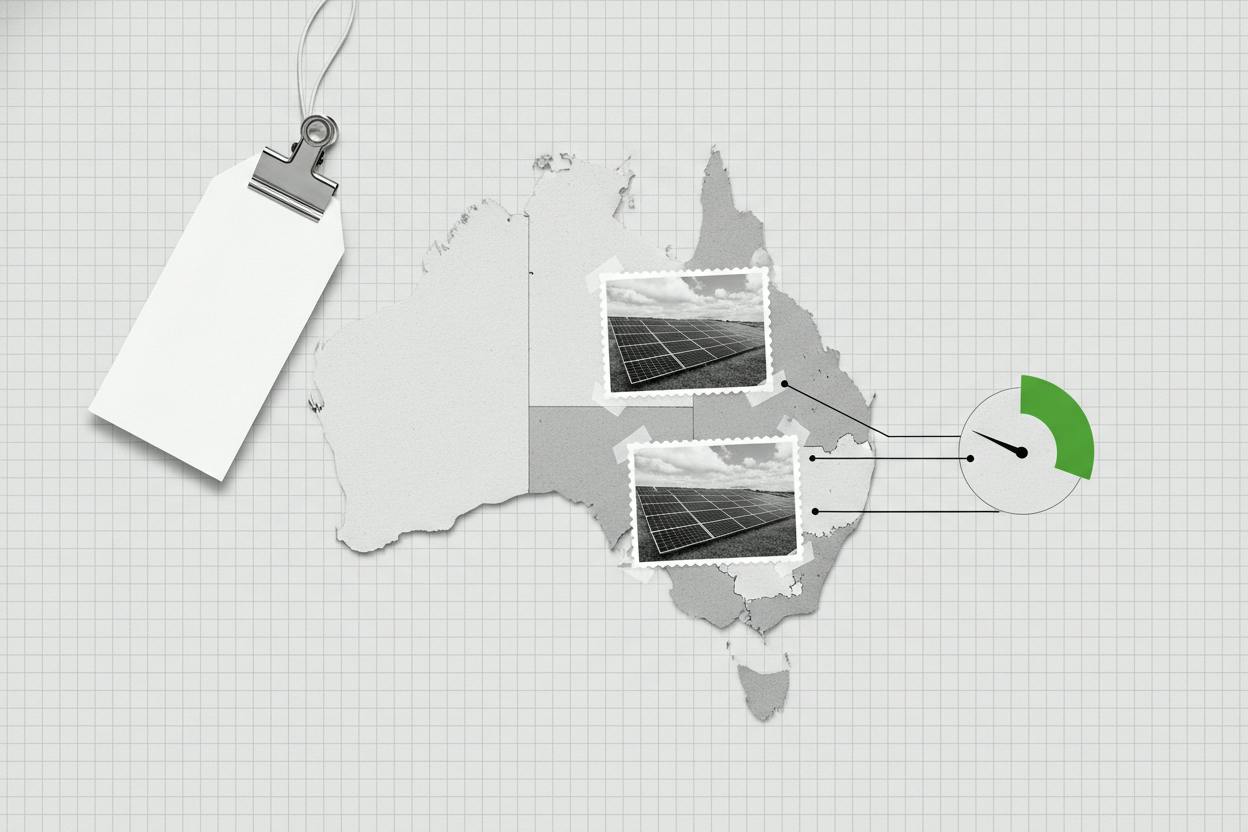
Australian renewables firm LGI is expanding its solar portfolio with the acquisition of two solar farms in Queensland for AU$22 million. The 42-megawatt deal, which includes the Maryborough and Chinchilla sites, is expected to close on October 9th. LGI says the projects could add between AU$2.1 million and AU$4 million a year in earnings before interest, taxes, depreciation, and amortization (EBITDA).
EBITDA is a common measure of a company's operating profitability, stripping out the effects of financing and accounting decisions. For everyday investors, it's a quick way to gauge how much cash a business generates from its core operations.
Deal structure and funding
LGI is buying the sites from IIG Solar Assets, a renewable energy investor, in a transaction with no debt attached. That's notable because it makes the AU$22 million price tag a cleaner reflection of what LGI is paying for the projects' cash-generating potential, rather than taking on someone else's borrowings.
The company plans to fund the purchase using cash and an existing debt facility. No shareholder approval is required, so the deal can proceed without a vote. That puts the focus squarely on execution—whether LGI can deliver the EBITDA it's targeting.
What could drive the EBITDA range?
LGI's earnings forecast spans a wide range, and several factors will determine where it lands. Wholesale electricity prices are a major variable; when power prices are high, the same solar panels can generate significantly more revenue. Conversely, softer prices would squeeze margins.
Cost and revenue synergies also matter. LGI will look to integrate the new sites into its existing operations, potentially cutting overheads or finding ways to boost output. The company also plans to deploy its Dynamic Asset Control System, software it says improves operating performance. How quickly that system is rolled out and how well it works will influence the bottom line.
In short, the same physical assets can produce very different profits depending on market conditions and how efficiently LGI runs them.
What it means for investors
With no debt coming along for the ride, the AU$22 million purchase price is close to the projects' “enterprise value,” a metric investors use to compare assets on a like-for-like basis. Using LGI's own EBITDA range, the implied valuation multiple is wide: about 5.5 times at AU$4 million of EBITDA and roughly 10.5 times at AU$2.1 million.
That spread helps explain why LGI's shares could react positively to the announcement but still leave room for debate. If upcoming results land closer to the high end, the deal will look cheaper in hindsight and support LGI's pitch that it can scale a renewables platform with operational improvements. If results track the low end, investors may view the same price as more demanding, especially if power prices soften or the tech rollout takes longer than expected.
For context, Australian consumer confidence has been under pressure recently, with readings hitting multi-year lows after the Reserve Bank's rate hikes. That backdrop could weigh on energy demand and prices, though solar projects typically have long-term power purchase agreements that provide some revenue stability.
Investors will be watching LGI's next earnings report for signs of how the integration is progressing and whether the EBITDA target is on track. The deal's success will hinge on factors largely within LGI's control—execution, cost management, and technology deployment—rather than on external market moves.
For everyday investors, this acquisition is a reminder that in renewables, the value isn't just in the panels—it's in how well you run them.