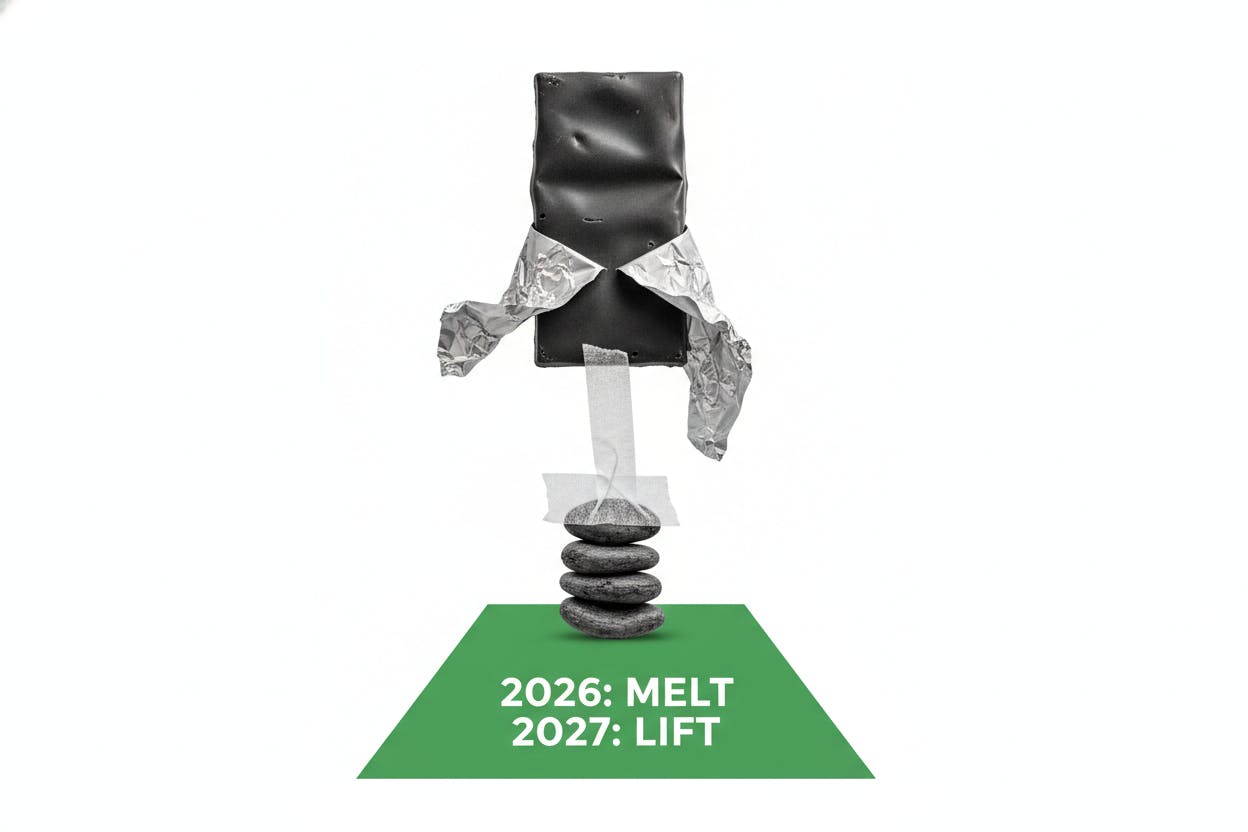
Swiss chocolatier Lindt & Sprüngli may face a bumpy road in 2026, but a potential easing of cocoa costs in 2027 could give the company room to reinvest and reignite growth, according to analysts at UBS.
In a note published Thursday, UBS Global Research maintained its buy rating on the luxury chocolate maker, but cautioned that the coming year looks "mixed." The bank pointed to two key headwinds: unusually hot summer weather and a softer consumer environment in Germany, one of Lindt's major markets.
Why heat and Germany matter
Chocolate demand is closely tied to weather and seasons. When temperatures soar, shoppers tend to reach for ice cream and cold treats instead of chocolate bars and pralines. That seasonal shift can dent sales for companies like Lindt, which rely heavily on premium chocolate purchases during cooler months and holidays.
Germany, Europe's largest economy, is also a critical market for Lindt. The country has been grappling with sluggish consumer confidence and weak retail spending, partly due to persistent inflation and economic uncertainty. A cautious German shopper means fewer impulse purchases of premium chocolates, which can weigh on Lindt's top line.
UBS's caution is reflected in its numbers. The bank forecasts Lindt's organic sales growth at 3.7% for 2026, below the 4.0% consensus among analysts and short of the company's own target of 4% to 6%. Organic growth strips out currency effects and acquisitions, giving a clearer picture of underlying demand.
Still, UBS notes that Lindt's geographic diversification is helping. While Germany may be soft, momentum in other regions—particularly in faster-growing markets—is offsetting some of the weakness. That mix is one reason the bank remains positive on the stock despite the near-term challenges.
The cocoa cost relief ahead
The bigger opportunity, according to UBS, lies in 2027. Cocoa prices, which have been extraordinarily high over the past couple of years due to poor harvests in West Africa and supply chain disruptions, are expected to ease. That could translate into lower input costs for Lindt, which uses large volumes of cocoa for its chocolate products.
UBS estimates that easing cocoa costs could free up as much as CHF500 million (about $560 million) in reinvestment potential for Lindt. That money could be used to boost marketing, expand retail presence, or develop new products—all of which could help the company accelerate growth beyond its current targets.
For context, cocoa prices spiked sharply in 2024 and 2025, squeezing margins across the chocolate industry. Many manufacturers, including Lindt, had to raise prices to protect profitability, which in turn dampened consumer demand. If cocoa costs fall, companies like Lindt could either maintain prices to boost margins or pass savings to consumers to stimulate volume—or a mix of both.
What it means for investors
For everyday investors, the key takeaway is that Lindt's near-term outlook is clouded by cyclical factors—weather and consumer sentiment—but the medium-term picture could brighten if cocoa costs decline as expected.
Investors should watch a few things in the coming quarters. First, how Lindt navigates the 2026 sales environment, especially in Germany and other key European markets. Second, whether the company can hold its premium pricing without losing customers. And third, any signs that cocoa prices are indeed trending lower, which would validate UBS's reinvestment thesis.
It's also worth noting that Lindt is a premium brand with strong pricing power and a loyal customer base. Companies in this position often have more flexibility to weather input cost spikes and invest through downturns. The CHF500 million reinvestment potential, if realized, could support new growth initiatives that pay off over the longer term.
That said, UBS's forecast of 3.7% growth for 2026 is below the company's own guidance, which suggests there is some risk to the current year. Investors should be prepared for possible volatility in the stock if sales come in at the lower end of expectations.
For those looking at the broader picture, Lindt's situation is a reminder that commodity costs can have a significant impact on consumer goods companies. When raw material prices spike, margins get squeezed; when they ease, there's often a lag before the benefit shows up in financial results. Patience is often required.
UBS's buy rating indicates the bank sees more upside than downside from current levels, but that's a single analyst view. As always, investors should do their own research and consider how Lindt fits into their overall portfolio.
In the meantime, the chocolate maker's ability to navigate a hot summer and a cautious German consumer will be a test of its resilience. If it can hold the line on growth in 2026, the potential cocoa cost break in 2027 could provide a sweet tailwind.