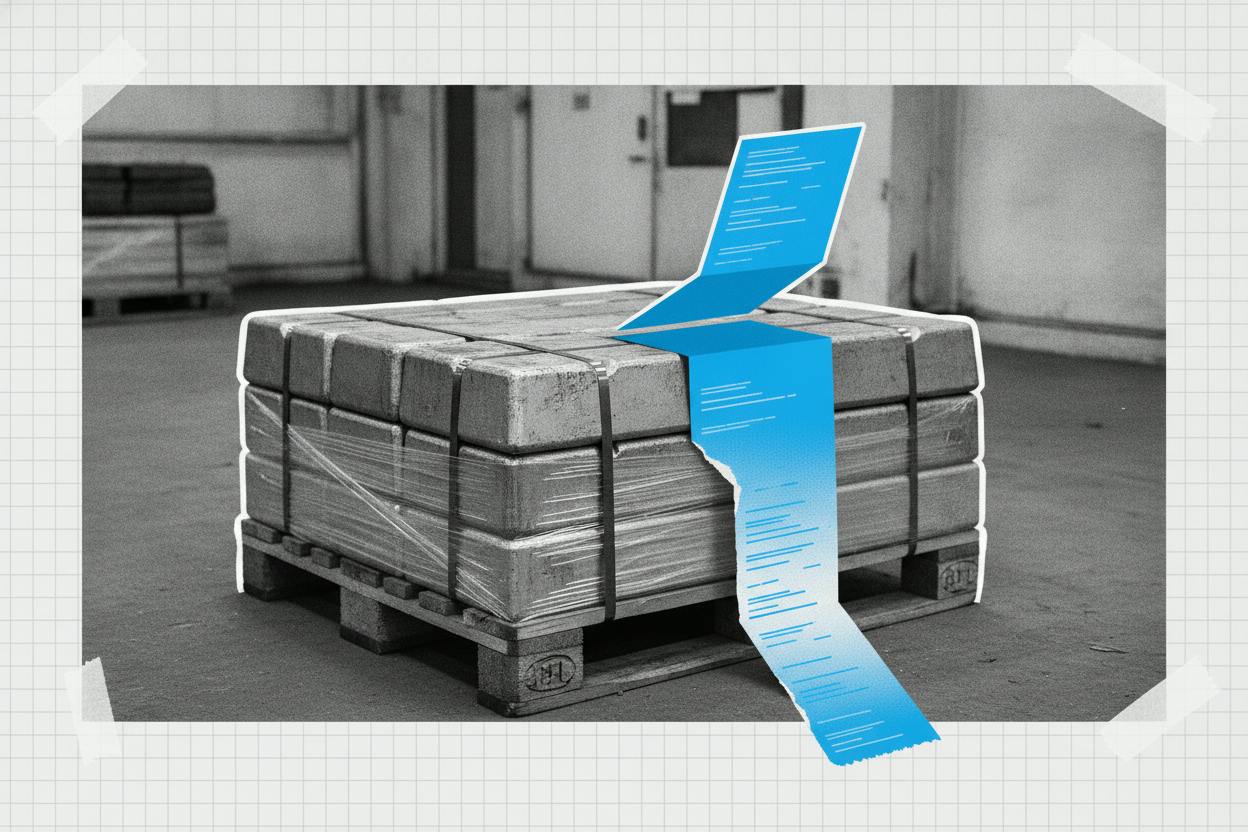
The London Metal Exchange (LME) is studying whether metal sitting in its Hong Kong warehouses can be converted into digital tokens, a move that could unlock new financing options for holders of so-called off-warrant stock. Sources familiar with the matter told Reuters that the exchange is exploring tokenizing these metal inventories so they can be pledged as collateral for loans.
The initiative comes as Hong Kong steps up its ambitions to become a global commodities hub. The city's government recently unveiled a five-year plan to boost commodities trading and related financial services, and the LME's tokenization project appears to be part of that broader push.
What is off-warrant metal?
To understand why this matters, it helps to know how metal is traded and financed. In the LME system, metal stored in its network of warehouses is typically covered by a warrant — a standardized document that proves ownership and allows the metal to be traded on the exchange or used as collateral for loans. This is known as on-warrant metal.
Off-warrant metal, by contrast, sits in the same warehouses but lacks that widely accepted title document. Because there's no standardized paper trail, banks and other lenders are often reluctant to accept it as collateral. That makes it harder for companies holding off-warrant stock to raise financing against it.
Tokenization could change that. By converting the metal into digital tokens — essentially blockchain-based records of ownership — the LME could create a standardized, easily transferable form of collateral. That could make off-warrant metal more liquid and easier to finance, potentially freeing up capital for companies that currently have to rely on other funding sources.
Why Hong Kong?
Hong Kong has long been a major gateway for commodities trade between China and the rest of the world. The city's new five-year commodities plan signals a desire to deepen its role in the sector, and the LME — which has been owned by Hong Kong Exchanges and Clearing (HKEX) since 2012 — is a natural partner in that effort.
The LME's warehouse network is a cornerstone of global metals trading. It sets the rules for where metal can be stored, how it's inspected, and how it moves in and out of the system. If the exchange can successfully tokenize off-warrant stock, it could set a precedent for other metals hubs and potentially reshape how commodity financing works.
The move also aligns with a broader trend in the financial industry, where blockchain and tokenization are being explored for everything from bonds to real estate. For metals, the appeal is clear: a digital token can be transferred instantly, verified easily, and used as collateral in ways that physical paperwork often can't match.
What it means for investors
For everyday investors, the immediate impact is likely to be indirect. The LME's exploration is still at an early stage, and any rollout would take time. But the potential implications are worth watching.
If tokenization succeeds, it could make the metals market more efficient. Companies holding off-warrant metal would have an easier path to financing, which could reduce costs and improve cash flow across the supply chain. That could, in turn, affect metal prices and the profitability of miners and traders.
It could also make metals more attractive as an asset class. Easier financing often leads to more trading activity, which can increase liquidity and potentially reduce price volatility. For investors who hold metals through exchange-traded funds or mining stocks, a more efficient market could be a positive development.
That said, there are risks. Tokenization relies on technology and legal frameworks that are still evolving. Questions about custody, fraud, and regulatory oversight would need to be resolved. And while Hong Kong is pushing ahead with its commodities plan, other jurisdictions may move at different speeds, creating potential inconsistencies.
Investors should also keep an eye on how the LME's broader warehouse operations are faring. Recent reports have highlighted unusual movements in LME warehouse stocks, and falling inventories have helped support aluminum prices. Any changes to how metal is financed could ripple through these dynamics.
For now, the LME's tokenization project is a sign that the metals industry is embracing digital innovation. Whether it becomes a game-changer or a niche experiment remains to be seen, but it's a development worth monitoring for anyone with exposure to commodities.