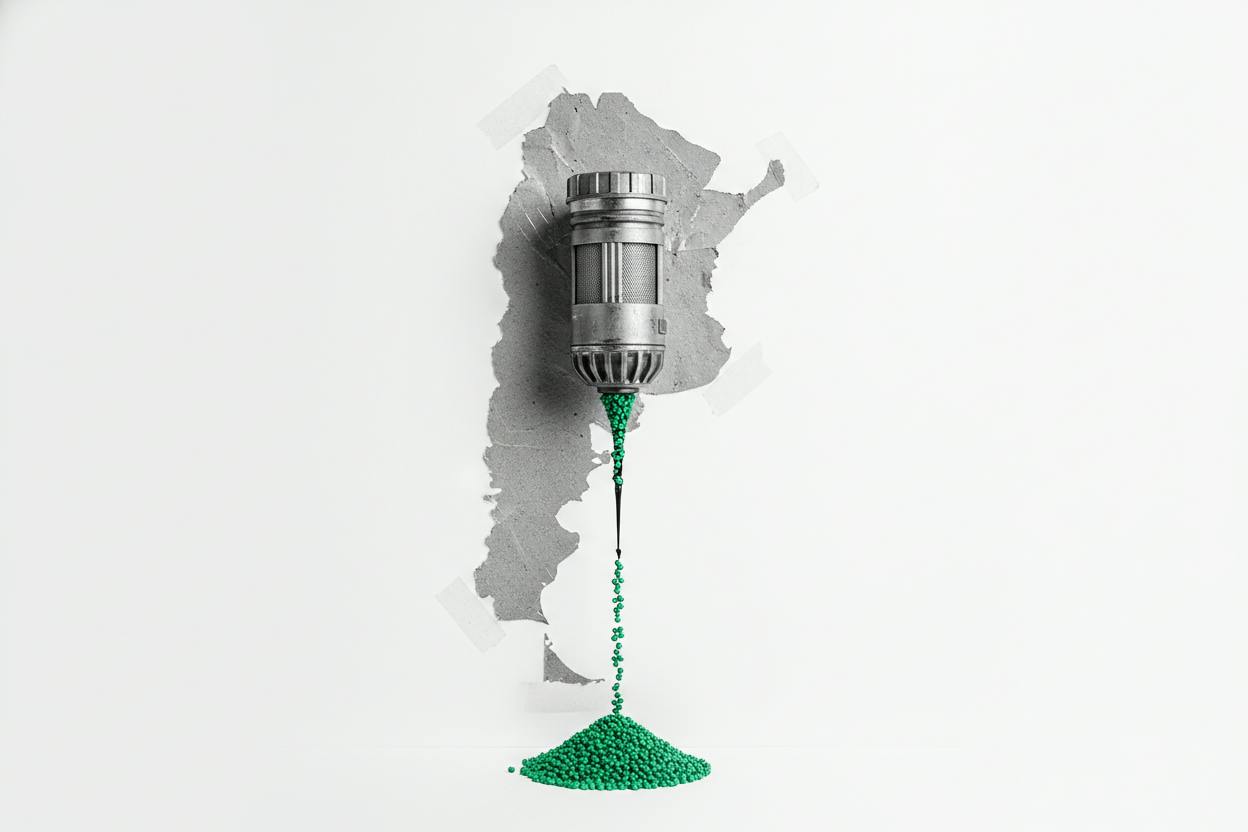
Rio Tinto, one of the world's largest mining companies, is making a big push into lithium with the opening of two new plants in Argentina. The company has invested $1.4 billion in the projects, which use a newer technology called direct lithium extraction (DLE) to pull the battery metal from underground brine. The move underscores how major miners are scrambling to secure supplies of lithium, a key ingredient in electric vehicle batteries.
What's new in Argentina
The two facilities are the Sal de Vida plant and the Fenix 1B expansion, both located in Catamarca province in northwestern Argentina. Together, they add about 25,000 metric tons per year of lithium carbonate equivalent (LCE), a standard measure used to compare lithium output across different forms. That's enough to power hundreds of thousands of electric vehicle batteries annually.
But the bigger story is what comes next. Rio Tinto says it expects its total Argentine output to reach 160,000 tons by 2028. That would be a massive jump from current levels and would position Argentina as a key pillar of the company's lithium strategy.
Why direct lithium extraction matters
Traditional lithium production from brine involves pumping salty water into large evaporation ponds and waiting months—sometimes over a year—for the sun to concentrate the lithium. DLE, by contrast, uses chemical filters or membranes to extract lithium directly from the brine in a matter of hours or days. Supporters say it's faster, uses less land, and can recover a higher percentage of the lithium present.
That speed could be crucial as automakers and battery makers race to secure supply chains. The global push toward electric vehicles has fueled a surge in lithium demand, and miners are under pressure to bring new supply online quickly. DLE is seen by many as a way to unlock lithium resources in places like Argentina's 'lithium triangle,' which holds some of the world's largest brine deposits.
However, DLE is not without challenges. The technology is still relatively new at commercial scale, and some projects have faced technical hurdles. Rio Tinto's bet is a vote of confidence that DLE can work reliably and profitably.
What it means for investors
For everyday investors, this news is a signal about the future of lithium supply. If Rio Tinto hits its 160,000-ton target, it would become one of the largest lithium producers globally, potentially influencing prices. More supply could help ease the lithium shortages that have contributed to volatile prices in recent years.
It also highlights the growing importance of Argentina as a mining destination. The country already has significant lithium reserves, and this investment could attract further interest from other miners. That said, investors should be aware that lithium prices have been volatile, and big production increases can sometimes lead to oversupply and lower prices.
Rio Tinto's move is part of a broader trend of major miners diversifying into battery metals. The company has also been expanding its copper operations, as seen in recent market moves where copper lifted miners. Copper and lithium are both essential for the energy transition, and miners are positioning themselves to benefit from long-term demand growth.
Investors in Rio Tinto will be watching whether the DLE technology delivers on its promise. The company has set ambitious targets, and any delays or cost overruns could weigh on returns. But if successful, the Argentine projects could become a significant profit driver.
The bigger picture
The lithium market is still relatively young compared to traditional commodities like oil or iron ore. That means there's more uncertainty, but also more upside potential. Companies like Rio Tinto are betting that the shift to electric vehicles is not a passing trend but a structural change that will last for decades.
For now, the opening of these plants is a concrete step toward that future. It's a reminder that the energy transition isn't just about policy or consumer choices—it's also about massive industrial investments in mines, refineries, and new technologies. As Argentina's energy sector shows with shale, the country has the resources to play a major role in global energy markets.
For investors, the key takeaway is that lithium production is scaling up, and new technologies like DLE could reshape the supply landscape. Whether that leads to lower battery costs, higher miner profits, or both, remains to be seen. But one thing is clear: the race for lithium is heating up, and Rio Tinto intends to be a leader.