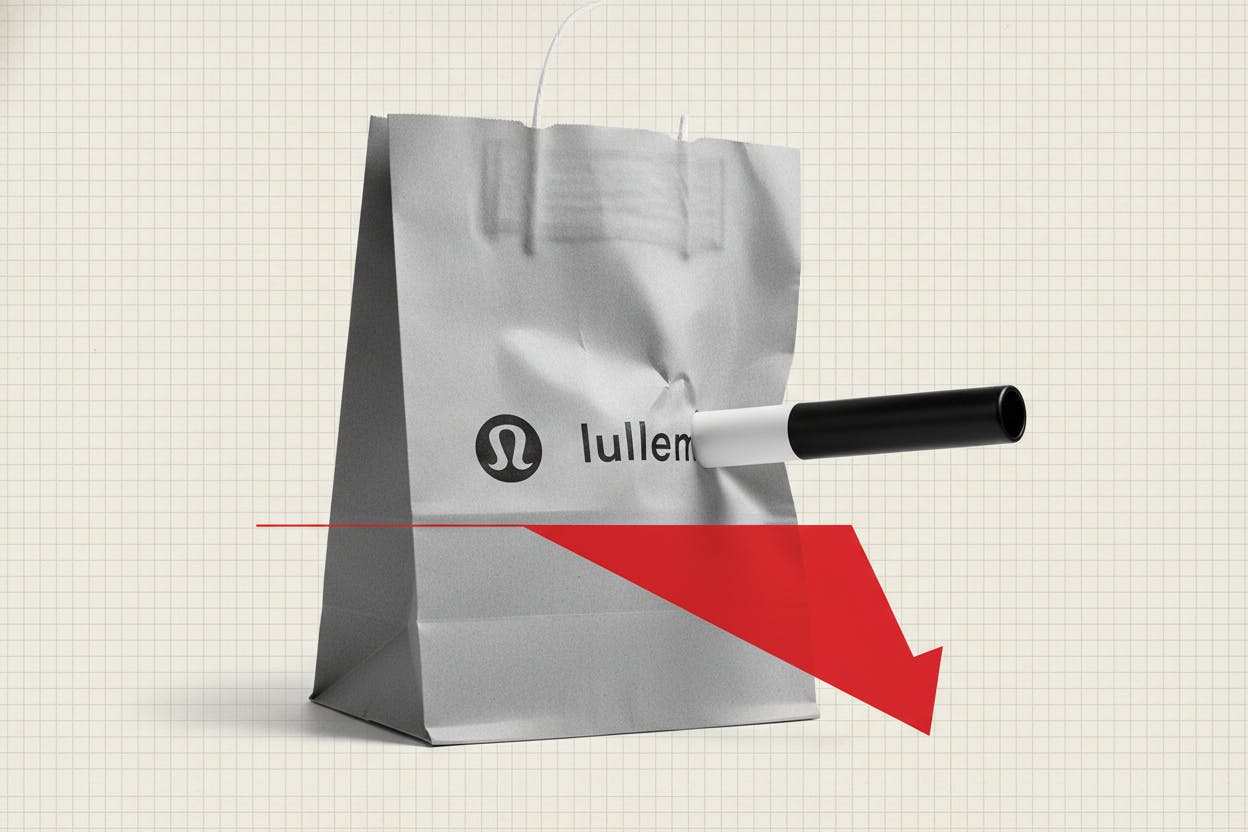
Lululemon delivered a stark warning to investors on Thursday, slashing its fiscal 2026 revenue and profit guidance just days before a leadership change. The athleisure giant now expects revenue to fall 5% to 7% for the year, a sharp reversal from its earlier forecast of flat sales or a drop of up to 1%. Earnings per share are projected to land between $9.48 and $9.73, down from the previous range of $10.95 to $11.15. Shares tumbled about 15% in after-hours trading as the market digested the news.
Why the guidance cut matters
The revised outlook is the clearest signal yet that Lululemon's growth engine is stalling. The company, known for its premium yoga pants and athletic wear, has been a standout performer in the retail sector for years, but the latest numbers suggest that momentum has faded. The pressure is most visible in North America, where newer, trendier brands like Alo Yoga and Vuori have been capturing shoppers' attention with fresh styles and aggressive marketing.
For everyday investors, this is a reminder that even the most beloved consumer brands can hit a rough patch. Lululemon's struggles are not just about a single quarter—they reflect a broader shift in consumer preferences and a more competitive landscape. The company's ability to innovate and stay relevant will be crucial in the coming months.
The CEO handover adds uncertainty
The timing of the guidance cut is particularly notable. Incoming CEO Heidi O'Neill is set to take the helm in just over a week, and she will inherit a company facing headwinds on multiple fronts. O'Neill, a veteran of the sportswear industry, will need to address slowing demand, intensifying competition, and the challenge of reigniting growth in a mature market.
Leadership transitions are always a delicate moment for any company, and doing so during a period of declining sales adds an extra layer of complexity. Investors will be watching closely to see how O'Neill plans to steer the ship. Will she double down on innovation, or will she focus on cost-cutting and operational efficiency? The answers will likely shape Lululemon's trajectory for years to come.
What it means for investors
For those holding Lululemon stock, the immediate takeaway is that the company is facing real challenges. The 15% after-hours drop reflects the market's disappointment, and it could signal more volatility ahead. However, it's important to keep perspective. Lululemon remains a highly profitable company with a strong brand and a loyal customer base. The question is whether it can adapt to a changing retail environment.
Investors should also consider the broader context. The athleisure market, once a high-growth sector, is now crowded with competitors, from established players like Nike and Adidas to upstarts like Alo and Vuori. Lululemon's premium pricing strategy may be under pressure as consumers become more value-conscious in an uncertain economy.
For those considering buying or selling, the key is to watch how the company responds in the coming quarters. Will it introduce new products that resonate with shoppers? Can it expand internationally to offset weakness in North America? These are the factors that will determine whether Lululemon can bounce back or if this is the start of a longer decline.
Looking ahead
The next few months will be critical for Lululemon. The company will need to provide more details on its strategy under new leadership, and investors will be eager to see if the guidance cut is a one-time reset or a sign of deeper problems. The retail sector as a whole is navigating a tricky environment, with shifting consumer habits and economic uncertainty. Lululemon's ability to navigate these waters will be a test of its resilience.
In the meantime, the stock's sharp drop could present an opportunity for long-term investors who believe in the brand's staying power. But it also carries risks, and those risks are now more pronounced than they were just a day ago. As always, diversification and a clear understanding of your own risk tolerance are key.
For more on how other companies are navigating similar challenges, check out our coverage of Snowflake's revenue forecast and Dell's AI server growth. And for a look at how consumer brands are faring in the IPO market, see Wella's NYSE filing.