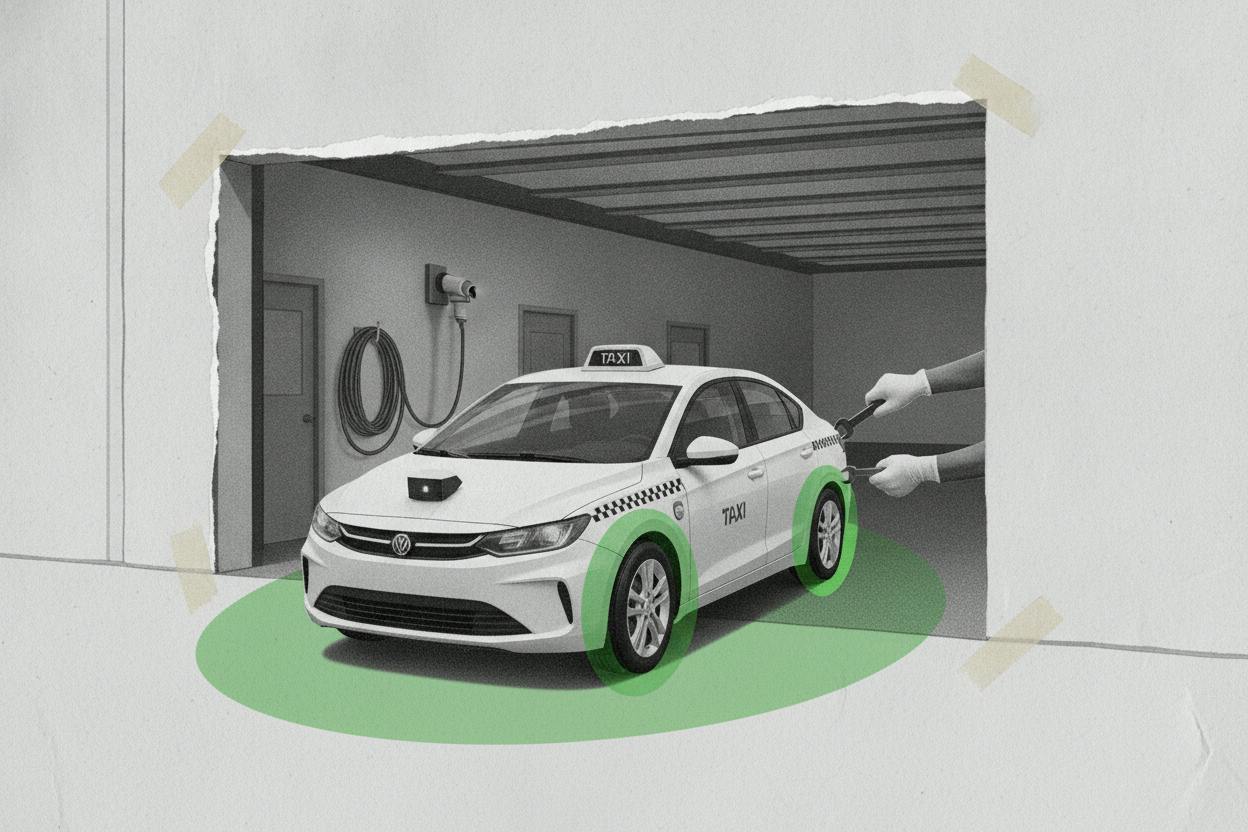
Lyft is deepening its role in the autonomous vehicle space, announcing plans to significantly expand Waymo's robotaxi fleet in Nashville by the end of the year. The ride-hailing company will earn revenue from two streams: fees for each ride booked through its app and fees for each vehicle it keeps available and road-ready.
A growing partnership
Waymo, the self-driving unit of Alphabet, has been using Lyft for more than just connecting passengers with rides. Since June, Lyft's Flexdrive division has handled day-to-day fleet operations in Nashville, and in October the company opened an 80,000-square-foot depot dedicated to charging, cleaning, and maintaining the autonomous vehicles.
Lyft's CFO Michael Brous told Reuters that the company sees two distinct revenue opportunities in this arrangement. The first is the traditional ride-hailing commission from trips booked through Lyft's app. The second is a fleet management fee, paid per available vehicle, for the operational work of keeping the robotaxis in service.
This is not Lyft's first foray into autonomous vehicle partnerships. The company has previously collaborated with other self-driving firms, but the Nashville operation with Waymo marks a more comprehensive integration, with Lyft taking on both the demand side and the supply side of the business.
What this means for the robotaxi industry
The expansion signals a shift in how autonomous vehicle companies are approaching deployment. Rather than building and operating their own ride-hailing networks from scratch, some are partnering with established players like Lyft to handle the logistics of fleet management and customer acquisition.
For Waymo, the deal provides access to Lyft's existing user base and operational expertise, potentially accelerating its rollout in new markets. For Lyft, it transforms the company from a pure ride-hailing platform into a broader mobility services provider, with a new revenue stream that is less dependent on individual ride volumes.
The arrangement also highlights the growing importance of fleet operations in the autonomous vehicle industry. Keeping a fleet of self-driving cars charged, clean, and mechanically sound is a significant logistical challenge, and companies that can do it efficiently may gain a competitive edge.
What it means for investors
For Lyft shareholders, this deal represents a potential diversification of revenue. The fleet management fees provide a more predictable income stream compared to the cyclical nature of ride-hailing demand. However, the financial impact is still relatively small, and investors should view this as a strategic positioning move rather than an immediate earnings driver.
For Alphabet investors, the expansion of Waymo's fleet in Nashville is another step in the company's long-term bet on autonomous vehicles. While Waymo is still a small part of Alphabet's overall business, its progress could eventually become a meaningful contributor.
The broader takeaway for everyday investors is that the autonomous vehicle industry is evolving from a technology race to an operational one. Companies that can efficiently manage fleets and integrate with existing transportation networks may be better positioned to succeed. This is a trend worth watching, as it could reshape the competitive landscape in both ride-hailing and automotive industries.
As with any emerging technology, there are risks. Regulatory hurdles, safety concerns, and the high cost of maintaining autonomous fleets could slow adoption. But the Lyft-Waymo partnership in Nashville is a concrete example of how the industry is maturing, and it offers a glimpse into what the future of urban transportation might look like.