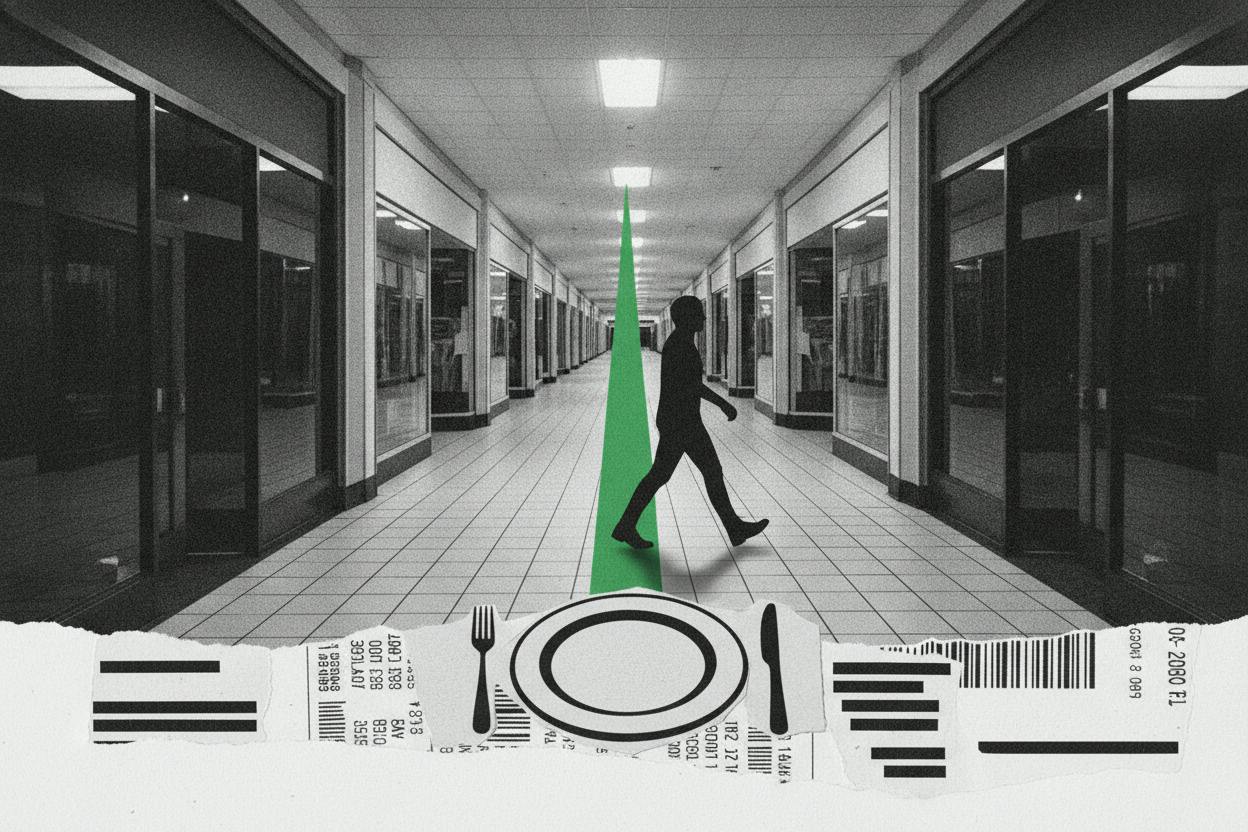
US mall owners are heading into the holiday season with a new strategy: turn a quick shopping stop into a full day out. With more dining options, entertainment and in-store events, they're hoping to pull people off their phones and back through the doors.
The push comes as surveys show Americans are more willing to shop in physical stores this Thanksgiving weekend than they have been in years. The International Council of Shopping Centers (ICSC), an industry group, found that 84% of Americans planning to shop over the holiday weekend expect to do at least some of it in stores — the highest share since 2019. Real estate services firm JLL reports that about 55% of US holiday shoppers plan to visit an indoor mall this season, up from roughly 50% last year.
Why malls are leaning into the 'day out'
Mall owners are betting on something ecommerce can't easily replicate: a physical experience that combines gift-buying with food and fun. The idea is that if shoppers come for a meal or a movie, they're more likely to browse stores and make impulse purchases.
That bet appears to be paying off, at least in terms of shopper intentions. JLL found that mall visitors expect to spend $1,357 per person this holiday season — about 23% more than people who don't plan to visit malls. And it's not just about the presents: shoppers say they plan to spend 17.3% more on dining and entertainment than last holiday season, while gift budgets are up a more modest 3.1%.
The shift is even more striking in daily habits. The share of respondents who expect to buy food or a drink on every mall trip jumped to 21% from 12% last year.
Retailers adapt their playbooks
Retailers are adjusting to this new reality. Macy's is promoting on-site add-ons like a Levi's tailoring pop-up and custom embroidery at Ralph Lauren. Coach is widening what it sells in its outlet stores and adding more in-store cafés.
These moves are designed to give shoppers reasons to linger. Food and entertainment typically keep people around longer, which can lift sales for the entire mall — not just the restaurant or the movie theater. Higher tenant sales, in turn, support occupancy and give landlords more leverage when leases come up for renewal.
What it means for investors
For investors, the trend could show up in mall landlords' rent negotiations. Centers that can add or upgrade restaurants and entertainment as "traffic anchors" may be better positioned to push rents higher. That's a near-term tailwind for big owners like Simon Property Group and outlet-focused Tanger, with the biggest upside at locations where the dining-and-experience mix is still underbuilt.
But the holiday season isn't without risks. UBS has warned of a patchy US holiday season as some shoppers pull back, and retail stocks are split on the holiday outlook even as consumer sentiment improves. Warm weather has already slowed apparel sales at some chains, and Gap trimmed its profit outlook because of it.
Still, the shift toward experiences could help malls defend their relevance. As buy now, pay later goes mainstream, even wealthier shoppers are using flexible payment options, which could free up cash for dining and entertainment.
For everyday investors, the key takeaway is that malls are no longer just places to buy things — they're becoming destinations. That could support the stocks of mall owners and retailers that embrace the trend, but it also means the holiday season's success will depend on more than just gift sales.