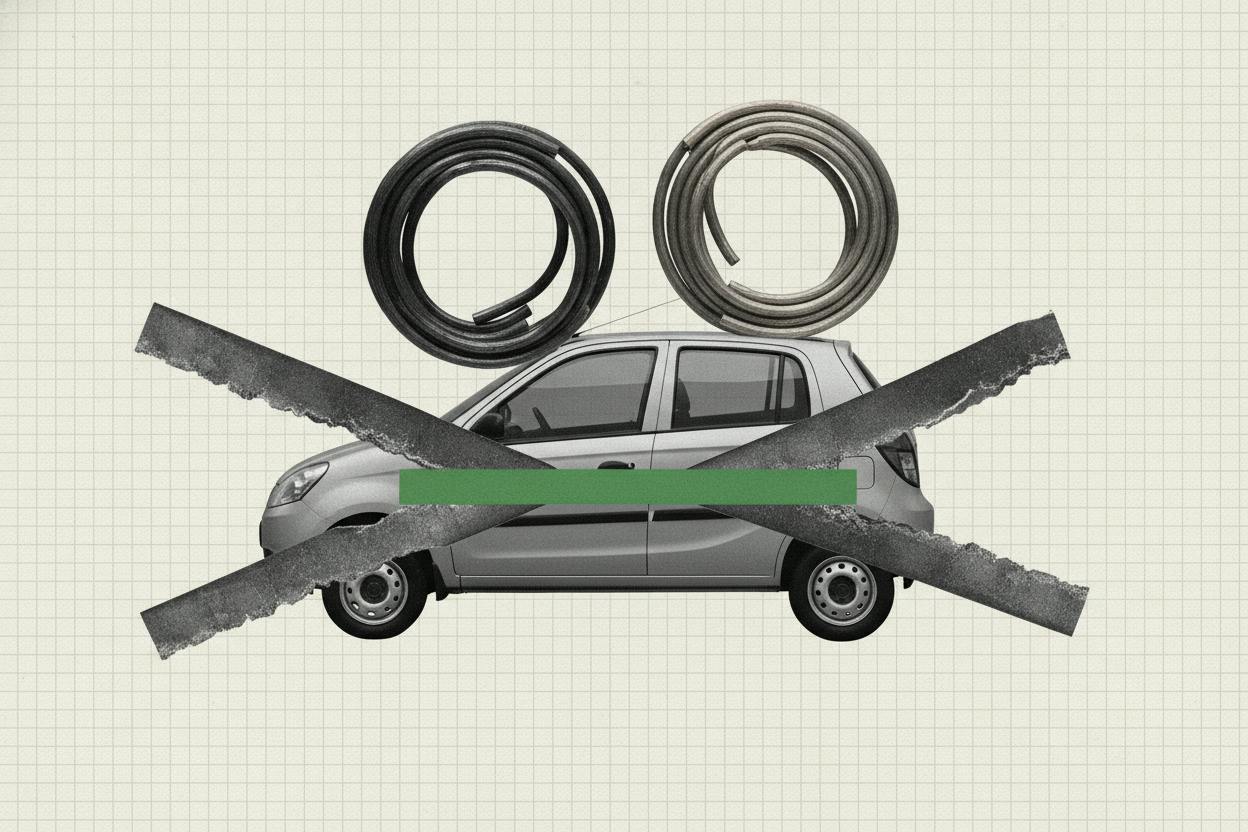
Maruti Suzuki, India's largest carmaker by sales, reported a quarterly profit that fell short of market expectations, underscoring the persistent pressure from rising input costs. For the July-September period, the company posted a profit of 24.15 billion rupees, well below the 31.05 billion rupees analysts had forecast, according to LSEG data cited by Reuters.
The shortfall came even as the festive season boosted demand, but expenses climbed faster than revenue. Total expenses rose to 506.04 billion rupees, while revenue reached 533.40 billion rupees. That leaves a relatively thin margin for error: a small change in costs can have an outsized impact on the bottom line.
Why costs are still biting
The main culprit is the rising price of raw materials, particularly steel and copper. Reuters linked these increases to disruption fears tied to the Middle East conflict, which has rattled commodity markets. For an automaker like Maruti, which produces millions of cars a year, even a modest rise in the cost of key inputs can translate into significant profit erosion.
Maruti has tried to defend its margins by raising prices repeatedly. In September, it hiked prices by up to 20,000 rupees on some models, marking its third increase since May. But there's a limit to how much of the cost burden can be passed on to customers, especially in the mass-market segment where Maruti dominates.
Buyers of compact cars are typically more price-sensitive than those purchasing premium vehicles. Every price hike risks pushing some potential customers to delay a purchase or consider a competitor. So far, demand has held up, but the trade-off is getting tougher.
The operating leverage problem
Looking ahead, analysts expect sales growth to moderate in the second half of the fiscal year. One reason is that last year's tax cuts provided a boost that makes year-on-year comparisons harder. When growth slows, companies lose what's known as "operating leverage." Fixed costs like plants and staff don't fall much, so each car carries a larger share of overhead. That can compress margins even if revenue is still rising.
This dynamic is not unique to Maruti. Other India-focused, mass-market automakers that rely on similar pricing tactics face the same challenge. If input costs stay elevated while growth normalizes, earnings expectations could come under pressure across the sector, even without a collapse in sales.
What it means for investors
For investors, Maruti's profit miss is a reminder that unit sales alone don't tell the whole story. Margins matter just as much, and the company's thin buffer between revenue and expenses leaves little room for cost surprises. The result also highlights the limits of frequent, incremental price hikes as a strategy to protect profitability.
Investors will likely watch how Maruti manages costs in the coming quarters, and whether it can maintain its market share in the face of rising prices and potential demand softness. The broader read-through for the Indian auto sector is that cost pressures are still very much present, and companies may need to find efficiencies beyond just raising prices.
For those with exposure to Indian equities, this is a story worth monitoring. The challenges facing Maruti are part of a wider trend of input cost inflation affecting manufacturers across the region. As we've noted in our coverage of Indian shares dipping on oil prices, global factors like energy costs and geopolitical tensions can quickly filter through to domestic earnings.
While Maruti's specific numbers are its own, the underlying issue—rising costs meeting price-sensitive consumers—is a familiar one in emerging markets. How companies navigate this balancing act will be a key determinant of their profitability in the months ahead.