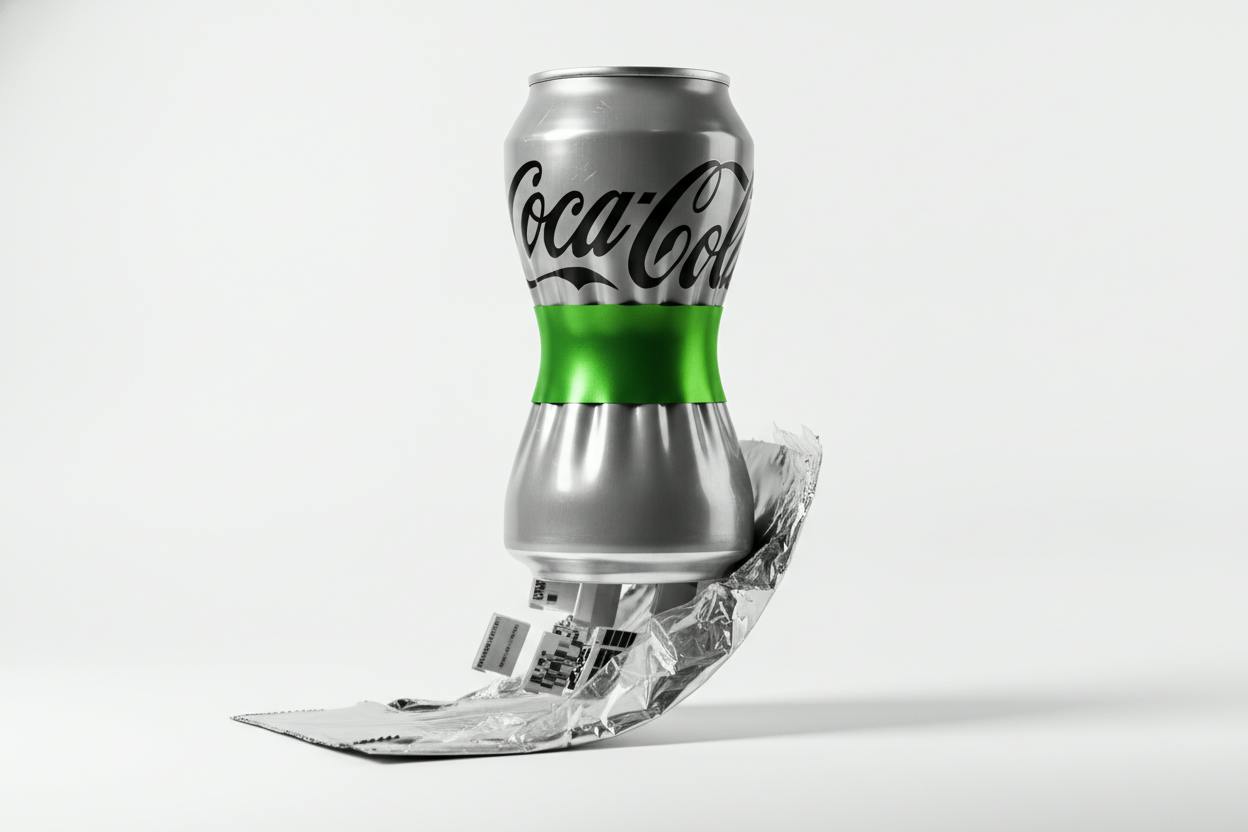
Coca-Cola has raised its profit outlook for 2026, citing robust demand for zero-sugar and higher-priced drinks that are helping it absorb rising packaging costs. The beverage giant now expects currency-neutral earnings per share to grow at least 9% next year, up from its previous guidance.
The update came alongside a quarterly report that beat analyst expectations, giving investors a sign that the world's largest soda maker is navigating cost pressures better than many rivals. The company has been leaning into premium products and smaller pack sizes to protect margins even as input costs climb.
What's driving the optimism?
Zero-sugar variants have become a key growth engine for Coca-Cola. Consumers increasingly seek lower-calorie options, and the company has invested heavily in marketing and product innovation around brands like Coke Zero Sugar. These drinks often carry higher price points, which helps offset the impact of more expensive packaging materials such as aluminum and plastic.
In addition, Coca-Cola has been pushing "price-pack architecture"—a strategy that offers consumers a range of sizes and price points, from single-serve bottles to multi-packs. This approach allows the company to capture demand across different income levels while nudging buyers toward higher-margin formats.
The company's ability to raise prices without losing customers has been a recurring theme in recent quarters. Even as inflation squeezes household budgets, Coca-Cola's brand strength gives it pricing power that many consumer goods firms lack.
Cost pressures remain a challenge
Despite the upbeat outlook, Coca-Cola isn't immune to cost inflation. Packaging costs—particularly for aluminum cans and PET plastic—have been volatile, and the company has warned that these pressures could persist. However, management says its pricing actions and product mix shifts are more than compensating.
The company also faces currency headwinds, as a strong US dollar can reduce the value of overseas sales. By guiding on a currency-neutral basis, Coca-Cola is signaling that its underlying business is healthy even if reported numbers are flattered or dented by exchange rates.
Other consumer giants have faced similar challenges. For instance, Maruti Suzuki's profit miss shows cost pressures persist despite price hikes, highlighting that not every company can pass on higher costs without hurting demand. Coca-Cola's ability to do so is a competitive advantage.
What it means for investors
For everyday investors, Coca-Cola's raised outlook is a reassuring signal. The company is a classic defensive stock—its products are bought in good times and bad, and it has a long track record of paying and increasing dividends. A stronger profit outlook suggests that the dividend is on solid footing and that the company can continue to generate cash.
However, investors should note that Coca-Cola's growth is increasingly tied to premium and zero-sugar products. If consumer tastes shift or competition intensifies in those segments, the company could face headwinds. Also, currency fluctuations and commodity costs remain wildcards.
It's also worth remembering that a currency-neutral growth rate doesn't always translate to the same reported growth. Investors should look at the company's actual earnings reports to see how currency impacts the bottom line.
Coca-Cola's move echoes a broader trend among large companies that are raising their outlooks after strong quarters. For example, Nokian Tyres lifted its 2026 margin outlook after a Q3 profit beat, and PayPal lifted its profit forecast as cost cuts and AI drive margin gains. These updates suggest that some sectors are managing cost pressures better than feared.
The bigger picture
Coca-Cola's performance is often seen as a barometer for consumer spending. When a company like this raises guidance, it can be a positive sign for the broader economy, indicating that consumers are still willing to pay up for everyday items. However, it also underscores the divide between strong brands and weaker ones—those without pricing power are struggling to maintain margins.
Investors should keep an eye on how Coca-Cola's strategy evolves. The company has been expanding into new categories like ready-to-drink coffee and sports drinks, which could provide additional growth avenues. But for now, the core soda business, especially zero-sugar variants, is doing the heavy lifting.
As with any investment, it's important to consider your own financial goals and risk tolerance. Coca-Cola's stock is often viewed as a stable, income-generating holding, but it's not immune to market volatility. The company's ability to deliver on its raised outlook will depend on consumer trends, cost trends, and global economic conditions.
For those looking for similar stories, Centene lifted its 2026 profit outlook after a strong Q3 beat, and Hilton lifted its 2026 revenue outlook as US travel demand holds steady. These updates, along with Coca-Cola's, paint a picture of a corporate earnings season that is beating expectations in several sectors.